
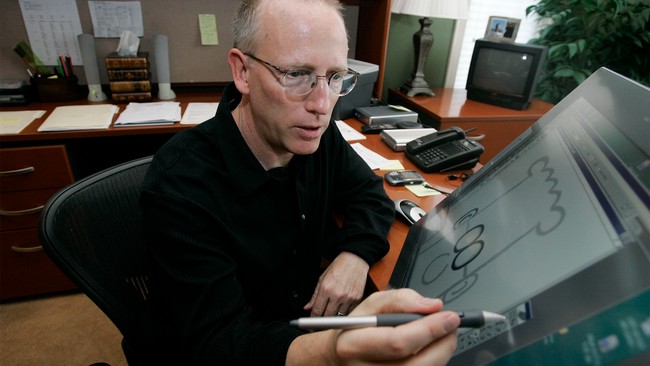
I’ll outline how Scott Adams’ health update, his appeal to President Trump, the medical context, public reactions, and broader policy implications are covered in this piece.
Scott Adams, creator of the comic Dilbert, recently shared a serious health update and a request directed at President Trump through social posts. His message disclosed that a newly FDA-approved drug called Pluvicto has been approved by his healthcare provider, but scheduling an IV infusion has been delayed. That delay prompted Adams to ask for help getting the treatment scheduled quickly so he can have “a fighting chance” to extend his life. The personal tone and urgency of his plea resonated with many fans and public figures.
Cancer is a ubiquitous, brutal reality that touches nearly every family in America, and Adams’ situation puts a public spotlight on both the human cost and the workings of health systems. Many readers will relate: loved ones lost, survivors who beat the odds, and the scientific gains that come from patient access to new treatments. Adams’ case underscores the fragile line between access and delay when timing is essential for therapies to help. It also raises questions about how healthcare systems prioritize and schedule treatments for high-need patients.
Adams reported that Kaiser of Northern California approved Pluvicto for him, but administrative scheduling problems have stalled the IV infusion he needs. He wrote that he is “declining fast” and explicitly said he would ask President Trump to intervene to get Kaiser to schedule the treatment for Monday. That timeline, he stressed, “will give me a fighting chance to stick around on this planet a little bit longer.” The quote captures both the hope and the desperation in his message.
My healthcare provider, Kaiser of Northern California, has approved my application to receive a newly FDA-approved drug called Pluvicto. But they have dropped the ball in scheduling the brief IV to administer it and I can’t seem to fix that.
I am declining fast. I will ask President Trump if he can get Kaiser of Northern California to respond and schedule it for Monday. That will give me a fighting chance to stick around on this planet a little bit longer.
It is not a cure, but it does give good results to many people.
Responses poured in quickly from supporters, colleagues, and public figures, showing how a single plea can mobilize public attention and political actors. While the former president did not personally reply in real time, one notable public response came from Robert F. Kennedy Jr., who spoke on the President’s behalf to express concern and assist. Those exchanges highlight how healthcare issues become intertwined with political leadership and public advocacy when a well-known American faces urgent medical need. The interaction also shows the leverage public attention can create in cutting through bureaucratic delays.
For many, Adams is not just a cartoonist; he has been a cultural fixture whose daily work offered bite-sized critiques of the modern workplace. That cultural weight means his struggle draws attention beyond his personal circle, turning a scheduling dispute into a national conversation. When public figures seek help, the resulting visibility can accelerate solutions and also invite scrutiny about fairness in access to care. Critics will argue that celebrity access is a privilege, while others point out that early use cases can contribute to better outcomes for future patients.
It’s important to remember that Pluvicto, like many newer cancer therapies, is not a guaranteed cure, but it can meaningfully extend and improve lives for some patients. Medical advances often progress incrementally: what helps one patient today can inform treatments for many more tomorrow. That perspective matters politically because policies that expand timely access to approved therapies benefit not just the famous but the many who will need those treatments in the future. Republicans have long argued that reducing red tape and empowering providers and patients to access approved care speeds innovation and saves lives.
Cancer remains a ruthless disease, and certain types like pancreatic cancer can present too late for interventions to help. Those realities make prompt access to treatments vital and heighten the stakes when scheduling or bureaucracy gets in the way. Cases like Adams’ reinforce arguments for streamlined administrative processes and better responsiveness from insurers and large healthcare systems. If the system can act quickly when public pressure mounts, it should be able to act quickly for any patient facing a narrow window for treatment.
Scott Adams’ update and appeal offer a human snapshot of how healthcare, bureaucracy, and politics intersect in America today. His request to President Trump reflects a broader expectation that leaders and institutions should act when a life hangs in the balance. Whether that intervention comes through public pressure or routine system improvements, the lesson is clear: timely access to care matters, and missed opportunities carry real consequences. The conversation Adams started will likely continue as pundits, providers, and policymakers watch for what happens next.

ꜱᴜᴘᴇʀ-ꜰᴀꜱᴛ ᴍᴏɴᴇʏ-ᴍᴀᴋɪɴɢ ᴏɴʟɪɴᴇ ᴊᴏʙ ᴛʜᴀᴛ ꜰʟᴏᴏᴅꜱ ʏᴏᴜʀ ʙᴀɴᴋ ᴀᴄᴄᴏᴜɴᴛ ᴡɪᴛʜ ᴄᴀꜱʜ ᴇᴠᴇʀʏ ᴡᴇᴇᴋ. ʙʏ ᴡᴏʀᴋɪɴɢ ᴊᴜꜱᴛ 2 ʜᴏᴜʀꜱ ᴀ ᴅᴀʏ ᴀꜰᴛᴇʀ ᴄᴏʟʟᴇɢᴇ, ɪ ᴍᴀᴅᴇ $17,529 ʟᴀꜱᴛ ᴍᴏɴᴛʜ. ɪ ʜᴀᴅ ᴢᴇʀᴏ ᴇxᴘᴇʀɪᴇɴᴄᴇ ᴡʜᴇɴ ɪ ꜱᴛᴀʀᴛᴇᴅ, ᴀɴᴅ ɪɴ ᴍʏ ꜰɪʀꜱᴛ ᴍᴏɴᴛʜ, ɪ ᴇᴀꜱɪʟʏ ᴇᴀʀɴᴇᴅ $11,854. ᴛʜɪꜱ ᴊᴏʙ ɪꜱ ɪɴᴄʀᴇᴅɪʙʟʏ ᴇᴀꜱʏ ᴛᴏ ᴅᴏ, ᴀɴᴅ ᴛʜᴇ ʀᴇɢᴜʟᴀʀ ɪɴᴄᴏᴍᴇ ɪꜱ ꜰᴀɴᴛᴀꜱᴛɪᴄ. ᴡᴀɴᴛ ᴛᴏ ᴊᴏɪɴ ʀɪɢʜᴛ ɴᴏᴡ? ᴊᴜꜱᴛ ᴠɪꜱɪᴛ ᴛʜɪꜱ ᴡᴇʙᴘᴀɢᴇ ꜰᴏʀ ᴍᴏʀᴇ ɪɴꜰᴏ…
𝐇𝐞𝐫𝐞 𝐢𝐬 𝐈 𝐬𝐭𝐚𝐫𝐭𝐞𝐝 ____________➤➤ 𝐖𝐰𝐰.𝐄𝐚𝐫𝐧𝐀𝐩𝐩𝟏.𝐂𝐨𝐦