
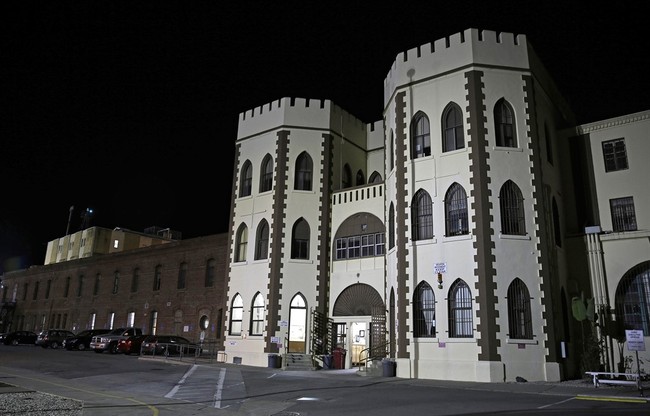
The governor unveiled a $239 million San Quentin Learning Center that looks more like a Scandinavian campus than a punishment facility, and it has people arguing whether rehab should feel cozy or punitive. Critics say the state is spending lavishly on amenities—podcast studios, cafes, and classrooms—while many Californians worry about crime, homelessness, budget stress, and victims still rebuilding after disasters. Supporters tout expanded education, workforce training, and reentry preparation as necessary to reduce recidivism and protect public safety long term. The debate exposes a larger split about priorities and what a modern approach to corrections should look like in a state with serious fiscal and public-safety headaches.
When the conversation turns to prison, many instinctively think punishment, loss of liberty, and consequences for bad choices. California Gov. Gavin Newsom opted for a different message at San Quentin: remodel, retool, and rehabilitate with a nearly 81,000-square-foot center intended to triple classroom and program space. The aesthetics are strikingly soft—Scandinavian design, quiet studios, and amenities that one critic says make the facility look nicer than some public high schools. That contrast is fueling anger from people who believe prisons should be plainly punitive and not resemble community centers.
California Gov. Gavin Newsom is facing blowback after unveiling a new $239 million rehabilitation center at the infamous San Quentin prison — complete with a cafe and sweeping views of San Francisco Bay.
Newsom attended the opening of the new San Quentin Learning Center, with the goal of “proving that rehabilitation and public safety go hand in hand,” he said at ribbon-cutting ceremony Friday.
The facility includes classrooms, TV and podcast studios, and spaces for media training and reentry prep, features Newsom and supporters say will prepare incarcerated people for work and reduce reoffending. Yet the timing and price tag—$239 million—have become focal points for criticism across the political spectrum, especially from conservatives and crime victims who want tougher enforcement and accountability. Republican state Sen. Tony Strickland captured that sentiment bluntly, insisting that a prison should remain a prison and that consequences must follow crimes.
“A prison is supposed to be a prison,” Republican state Sen. Tony Strickland told The Center Square. “He’s putting money, from my understanding, into grocery stores to ‘normalize the environment.’ His words, not mine. A prison should be a prison. People go to a prison because they committed a crime. When you commit a crime, you have to pay the consequence for that action.”
Beyond the philosophical clash, there are practical complaints about priorities: advocates for enforcement say funds should support measures like Prop 36 compliance and victim services rather than cushy rehab spaces. Critics point out ongoing problems such as the homelessness crisis, chronic budget shortfalls, stalled infrastructure projects like the bullet train, and communities still recovering from fires. For those voters, a glossy learning center looks like a misplaced luxury while everyday public safety and civic services feel underfunded.
Proponents counter that education and vocational training can reduce recidivism and improve outcomes when people return to the community, potentially lowering long-term costs tied to crime. The new center’s focus on media, workforce training, and reentry preparation is framed as pragmatic: teach marketable skills, stabilize lives, and reduce the chances of repeat offenses. But for many observers, the optics of studios and cafes inside a place once known solely for notoriety make the reform plan easy to caricature and politically risky.
The public reaction has been loud and polarized: some praise a humane, forward-looking approach to corrections while others view the project as emblematic of a state that has lost touch with basic law-and-order instincts. The learning center attempt to rebrand a notorious facility into something more constructive has concrete benefits, yet it arrives amid a backdrop of frustration over crime, fiscal decisions, and what many see as a lenient culture toward offenders. That tension is driving a debate over whether rehabilitation should be cushioned and comfortable or intentionally austere to reflect punishment.
Either way, the San Quentin makeover has become more than a construction project; it’s a political symbol. It highlights the divide between people who prioritize rehabilitation as a tool for public safety and those who insist punishment and accountability must come first. With a $239 million price tag and such visible amenities, the project guarantees sustained scrutiny from lawmakers, voters, and victims who want to see California put public safety and fiscal responsibility ahead of design trends and high-end comforts inside correctional walls.
While the center’s supporters argue it will lower reoffending, opponents keep asking whether the state should be investing in such amenities when so many other crises demand attention. The disagreement over San Quentin reflects a deeper struggle over priorities in California: punishment versus rehabilitation, optics versus outcomes, and who gets the state’s focus when resources are stretched thin.



Add comment