
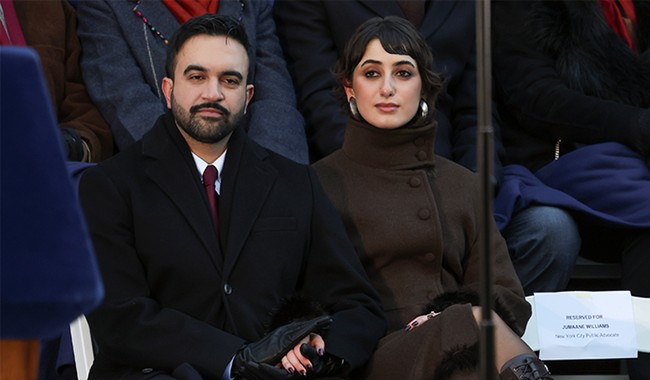
Resurfaced social media posts attributed to Rama Duwaji, wife of New York City Mayor Zohran Mamdani, show praise for a known airline hijacker and strong anti-Israel rhetoric, sparking renewed controversy as the city approaches the 25th anniversary of 9/11. The posts include explicit quotes, imagery linked to the Popular Front for the Liberation of Palestine, and repeated content that frames violent actors as heroes rather than criminals. The record spans years, with the now-public 2017 material and later activity painting a consistent picture that critics say reflects poorly on the mayor. The debate centers on accountability for public figures when private associates amplify extremist messages.
More Headaches for Zohran Mamdani After Posts Resurface of Wife’s Praise for Terrorist Hijacker
As New York nears the 25th anniversary of 9/11, critics have pulled up past social posts tied to Rama Duwaji that celebrate Leila Khaled, a member of the Popular Front for the Liberation of Palestine. One post pairs an image of Khaled with the line, “If it does good for my cause, I’ll be happy to accept death.” That line and the image tie Duwaji’s social media to a figure long associated with airline hijackings and violent tactics.
Leila Khaled has been involved in multiple airline hijackings and once carried a grenade onto a commercial flight, an act that threatened civilian lives and aimed to coerce governments through terror. Those operations were not symbolic gestures; they deliberately put passengers at risk to press political demands. Framing someone like Khaled as inspirational erases the reality that civilians were the intended leverage in those attacks.
The post in question dates to 2017, but the resurfacing now amplifies political consequences for the mayor and his office. Timing does not change the content: the words were written and shared publicly, and they were not offhand remarks. Observers note the deliberate nature of the posting and how it aligns with other instances where violent actors were depicted in admiring terms.
This pattern shows up across multiple posts and reposts that critics have cited. Duwaji has been reported to share content praising Shadia Abu Ghazaleh, linked to plots targeting civilians, repost images celebrating the First Intifada, and amplify phrases lauding “valiant freedom fighters of Palestine.” The consistent framing is elevation of individuals tied to violence while omitting or downplaying the harm they caused.
The rhetoric extends beyond praise of specific actors to direct hostility toward the existence of Israel, with a reposted statement that reads, “F*** Tel Aviv. Shouldn’t exist in the first place. They’re occupiers.” That blunt declaration targets a major city and rejects the legitimacy of a sovereign state rather than advancing a policy critique. Critics argue the phrasing is absolute and leaves no room for nuance or debate about legitimate policy disagreements.
Additional posts attributed to the same accounts include stark criticism of American service members, accusing them of “mercilessly slaughtering 3rd world civilians” and denying that they fight for freedom. Other shared content shifts blame for extremist organizations away from their perpetrators. Taken together, the posts create a portrait of persistent, provocative messaging rather than isolated lapses of judgment.
Account verification relies on multiple identifying details that connect the activity to Duwaji: name references, photographs, birthday mentions, and even references to a pet that match publicly available information. The cross-platform consistency lends weight to claims that these social feeds reflect a coherent pattern. For public officials and their households, such connections matter because of the influence public perceptions can have on governance.
The controversy has not been limited to material from years past. More recent engagement includes content disputing reports of sexual violence during the October 7 attacks, summed up in a shared phrase: “Mass rape hoax.” That sort of engagement deepens concerns among critics who say the posts deny or minimize atrocities against civilians. For opponents of the mayor, the steady stream of such content raises questions about judgment and the impact on the city’s political climate.
At the center of the debate is how closely the actions and amplified views of a public official’s immediate family should reflect on the official. Supporters of the mayor argue for separate consideration of private views and public policy, while critics insist that repeated patterns of praise for violent actors and denial of civilian suffering cannot be ignored. Either way, the resurfaced posts have intensified scrutiny and made the issue a public test of accountability and values in city leadership.

Add comment