

The article argues that an ICE officer’s decision to use deadly force during a vehicle encounter in Minneapolis was reasonable, explains ICE authority, analyzes images and video frames that showed the driver reorienting her vehicle toward the officer, and rejects social media claims that the officer lacked justification or jurisdiction.
The only perspective that matters is the perspective of the Officer at the time he uses deadly force in response to a threat. Those words frame the central claim: an officer’s split-second assessment matters more than armchair second-guessing after the fact. The images and video tied to this incident are the primary evidence the writer uses to justify the officer’s actions.
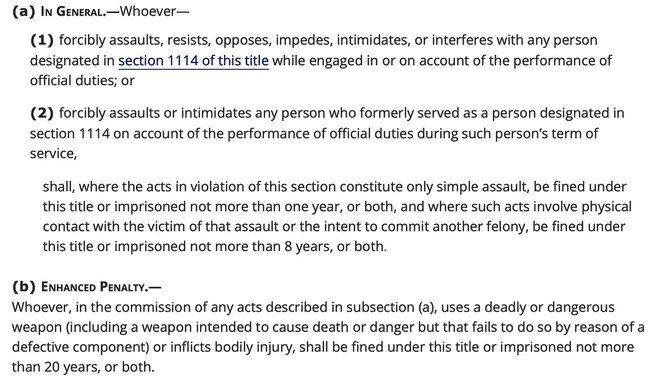
ICE operates with two types of law enforcement personnel: criminal investigators known as Special Agents and deportation officers who handle civil matters. Special Agents are armed federal officers with authority to investigate and arrest for violations of federal immigration law and other crimes that interfere with their duties. Their powers include brief detention of citizens during investigations and arrest when citizens obstruct or conspire to obstruct enforcement actions.
Claims on social media that ICE lacks any jurisdiction over U.S. citizens are misleading and incorrect. Federal statutes and enforcement authority permit ICE officers to detain and arrest in limited, lawful circumstances tied to their investigative mission. That legal backbone matters when evaluating whether an officer acted within his authority during a tense field encounter.
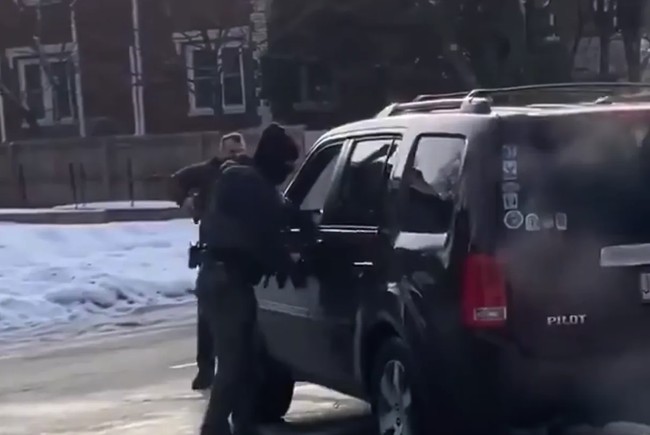
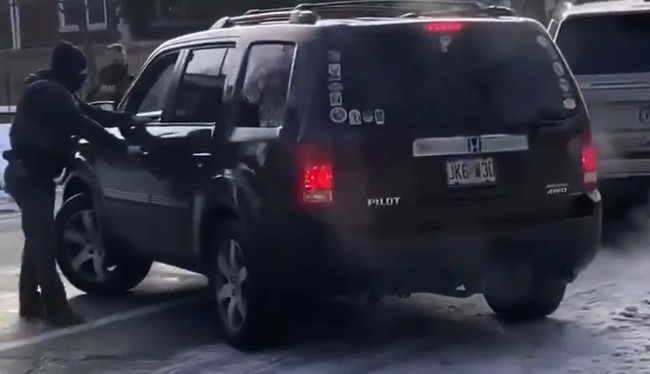
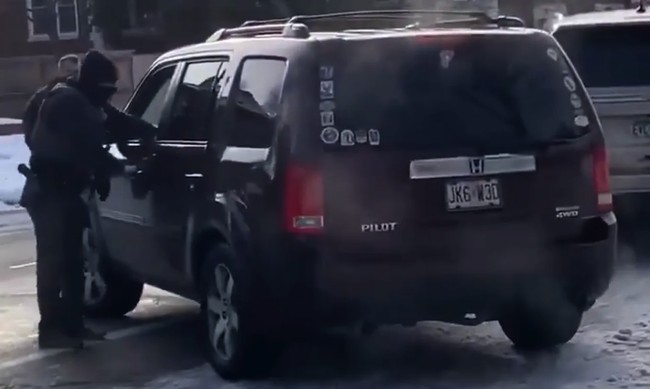
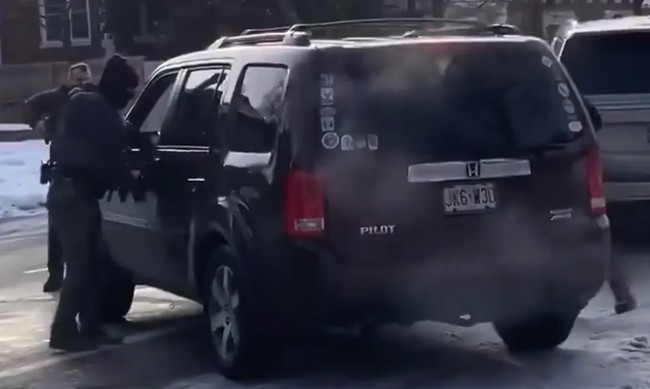
The sequence captured in stills and video shows the driver initially in reverse with wheels turned left while an officer issued lawful commands at the driver’s window. She moved backward a short distance, then shifted into Drive and reoriented her vehicle’s front toward the officer who was now in front of her car. Tires spun on slick pavement as she applied the accelerator and the officer perceived imminent, deadly risk.
At the instant the car’s front faced him and the wheels began to spin, the officer drew his firearm; that split-second decision is the crux of the legal and practical question. Policies that advise officers not to step in front of moving vehicles or shoot into vehicles are best-practice guidance, not constitutional law. Those policies aim to prevent manufactured justification scenarios, not to prevent an officer from defending himself when a vehicle becomes a lethal weapon.
An officer exposing himself to risk by moving around a stopped vehicle is a tactical choice that can draw criticism, but exposure does not automatically turn a lawful defensive shooting into a crime. The governing legal standard asks whether a reasonable officer in the same position would perceive an imminent threat to life or serious bodily harm. From the images the author highlights, the officer perceived that threat when the vehicle, now facing him, attempted forward movement with traction lost on the ice.
The question of intent on the driver’s part is largely irrelevant to the self-defense analysis under federal and constitutional standards. What counts is the reasonable perception of danger at the moment force is used. Noncompliance with lawful orders combined with vehicle movement toward an officer creates a reasonable basis for an officer to use deadly force to protect himself and others nearby.
Disciplinary policies and critiques from commentators do have a place: agencies can impose discipline for poor tactical choices or deviations from best practices. But administrative discipline is separate from criminal or constitutional guilt, and policy deviations do not automatically mean an officer’s use of force was unlawful. Evaluating whether an officer should face criminal charges requires focusing on the immediate facts and whether force was necessary and reasonable under the circumstances.
The images emphasized throughout the piece narrow the dispute to a few decisive frames: officer at the window, vehicle reversing then shifting into Drive, wheels straightening and breaking traction, and the officer drawing his weapon as the car aimed forward. Those frames, the author contends, are enough for a prosecutor to conclude the officer acted lawfully. Public outrage and social media narratives should not substitute for careful, evidence-based legal analysis when an officer’s life appears to have been in peril.



Add comment