
Checklist: explain the approved use of Fort Snelling for immigration operations; describe the logistics and strategic value; quote official language and reporting exactly; outline local political friction and response; note leadership and operational implications.
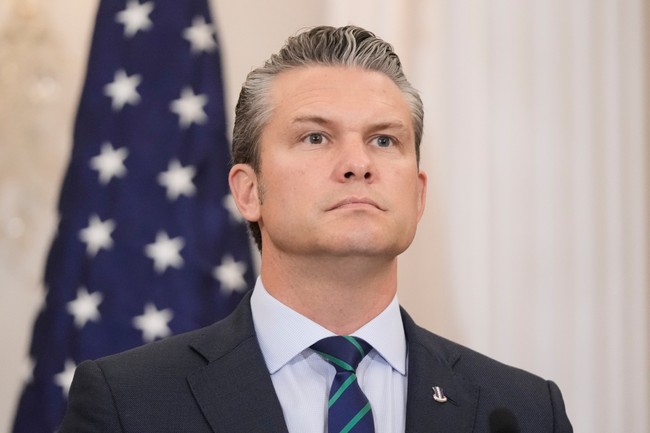
Secretary of War Pete Hegseth has reportedly authorized the use of the Fort Snelling area near Minneapolis-St. Paul International Airport as a staging and housing site for federal immigration operations. The move is being framed as a clear signal that the administration intends to press its enforcement efforts in the Twin Cities without backing down. Officials and advocates on the right see this as a practical step to put personnel and equipment where they can operate efficiently and reduce reliance on transient lodging. Critics in the city and state view any military-adjacent footprint as escalatory and politically charged.
Fort Snelling is a federal installation with historical status and existing DHS and ICE presence, which makes it a logical choice for additional operational support. Using that land would allow room for vehicles, trailers, personnel staging, and air assets, while giving agencies a central point to base operations close to the airport and the city. Proponents point out that relying on a nearby base cuts down on hotels and scattered logistics that create headaches and security risks. Opponents argue the optics of a military-linked posture will inflame local tensions and mobilize protests.
“In what could be a sign of President Donald Trump’s Minnesota immigration siege digging in, Defense Secretary Pete Hegseth approved a request Monday by the Department of Homeland Security to further support its efforts in the Twin Cities.” “In an email obtained by the Chronicle, U.S. Customs and Border Protection asked for space at Fort Snelling, a historic decommissioned military base in an unincorporated area next to the Minneapolis-St. Paul International Airport, to house federal immigration agents, weapons, vehicles and aircraft.” “Fort Snelling is already the site of a U.S. Immigrations and Custom Enforcement field office and a DHS immigration enforcement and detention processing center. CBP will use land on a U.S. Army Reserve base there.”
The practical benefits are straightforward: parking for hundreds of vehicles, storage trailers, a ready room that can accommodate many agents, space for aircraft, and access to secure munitions storage. Those needs are spelled out in the DHS request, which frames Fort Snelling as existing infrastructure suited for short-term surges of operational activity. From a logistics perspective, consolidating people and equipment into one controlled footprint improves command and control, maintenance, and rapid deployment. It also gives federal teams predictable facilities to stage operations and tend to the practical demands of sustained enforcement actions.
“The Department of Homeland Security (DHS) requests support from the Department of War (DoW) to provide existing infrastructure to U.S. Customs and Border Protection (CBP), a component of DHS, specifically an area for parking approximately 300-500 vehicles and 10 storage trailers, a ready room space for approximal 500-800 CBP personnel, a space to house, maintain and operate five CBP Air Assets, access to a magazine to store munitions, and other necessary facilities to support operations in the Minneapolis, Minnesota metropolitan area,” the email said.
Hegseth’s approval, according to reporting, came quickly after the request landed, reflecting a willingness at the federal level to back operational requirements with real estate and infrastructure. Supporters argue that when federal agencies have to billet personnel in hotels, containment and oversight become harder, and the chance for incidents grows. Establishing a central, federal-controlled hub near the action reduces that risk and keeps units mission-focused. It also signals that the federal effort is not temporary theater but a sustained enforcement posture.
Political resistance is real. Minnesota’s leadership has pushed back and local activists have organized against aggressive enforcement tactics. Governor Walz and city officials have used public pressure and legal routes to contest enforcement actions, and court fights or injunctions could follow. Still, federal leaders can legally request and receive use of federal property, and proponents see this as well within the administration’s authority to support homeland security and border enforcement priorities.
The practical chain of command and on-the-ground leadership matter too, and the federal side is bringing experienced hands to the task. There are names attached to the operation and signals that higher-level managers will shape tactics and rules of engagement. Tom “The Hammer” Homan has been mentioned as a potential operational leader who understands the mechanics of large-scale enforcement. Having seasoned leadership paired with consolidated logistics increases the odds of efficient operations and tighter accountability.
There will be protests, lawsuits, and heated debate in the press, but from a conservative enforcement perspective, using existing federal infrastructure to house people and equipment where they can operate safely and effectively is common-sense. The choice of Fort Snelling is about proximity, capacity, and reducing avoidable headaches that come with scattered logistics. For supporters, this is a necessary, practical pivot to make enforcement sustainable in a difficult operational environment.



Add comment