
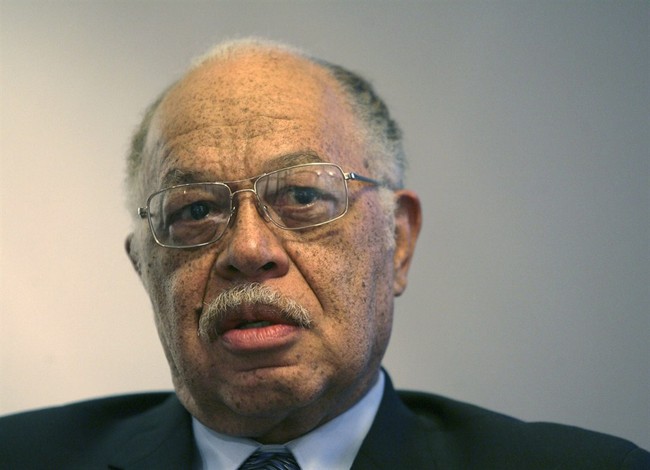
Kermit Gosnell, convicted in 2013 for multiple counts including first-degree murder and involuntary manslaughter, has died in custody. This piece revisits the case, recounts the reporting that exposed his clinic, and examines lingering questions about accountability and how society treats victims and perpetrators.
Independent journalist Ann McElhinney announced Gosnell’s death and described the clinic as a “house of horrors.” The convicted Philadelphia physician had been serving a life sentence and reportedly died on March 1 in a hospital outside the prison system while still in failing health. The details of his final days and cause of death were not disclosed publicly.
Kermit Gosnell, the abortion doctor who is thought to have murdered thousands of babies in a 30 year killing spree, has died in prison.
We covered the Gosnell trial in Philadelphia, interviewed him in prison and had dozens of phone calls with the serial killer as part of our research for the book, podcast and movie we made about the case.
He was a chilling monster who could sometimes come across as charming.
In Gosnell’s 30 years of running his filthy abortion clinic in Philadelphia, it is thought that he murdered thousands of babies born alive. The grand jury which investigated his case wanted to charge him with 200 recent murders but the move was stymied and reduced to just seven after pressure from senior political and law enforcement officials.
Journalists who investigated the case described a clinic with broken equipment, rust, and animals wandering the halls. One patient, Karnamaya Mongar, a 41-year-old refugee, died after an unlicensed staffer administered a fatal overdose of anesthesia. That death led to the manslaughter charge that joined the murder convictions for newborns found to have been killed after being born alive.
McElhinney and Phelim McAleer recalled Gosnell’s demeanor during their coverage and interviews, painting a portrait of a man who presented one face publicly and acted differently when confronted. They reported that he often smiled and smirked while defending what went on at his clinic. Those impressions fed into broader outrage about how the case was handled by authorities before it reached trial.
He was a chilling monster who could sometimes come across as charming. Gosnell liked to portray himself as affable, a humanitarian even, but the mask slipped when he was challenged or caught in a lie.
And he lied a lot.
Gosnell seemed unfazed by his crimes. He claimed he was innocent and that he would eventually be exonerated. Gosnell also seemed to take pleasure in remembering his time as a killer. He would often smile and smirk as he defended the death and destruction at his clinic.
Evidence and testimony at trial included graphic descriptions of late-term procedures that left viable infants alive, only to be killed after birth. Some of the most damning material were photos and accounts of infants placed in containers after being killed, images that reportedly made a deep impression on jurors and witnesses. One particular image, known in reporting as Baby Boy A, was cited as pivotal in the jury’s resolve.
I think in particular of Baby Boy A, who was so big that even Gosnell’s workers were shocked by the barbarity of his killing and took a photo of him after he was murdered. He shook their hardened hearts. Baby Boy A lived for about an hour before he was killed. The picture of him curled up in a [T]upperware container helped seal Gosnell’s fate and ensured he’d never kill again. That heartbreaking picture has also meant that I’m not the only one who will never forget Baby Boy A.
Many conservatives and pro-life advocates view the Gosnell prosecution as a cautionary tale about regulatory failures, media reluctance to confront uncomfortable truths, and the human cost of lax standards. The case became a touchstone in debates over late-term abortion and clinic oversight, and it spurred activists to press for stronger inspections and accountability at surgical facilities.
Critics argue the mainstream media were slow to cover the trial, which in turn allowed systemic problems to persist longer than they should have. That gap in coverage provoked a backlash on social platforms and among advocacy groups, who pushed reporters and outlets to acknowledge the full scope of the crimes and the institutional oversights that preceded them.
Gosnell’s case became an international news story after the US mainstream media failed to cover the trial – leading to one of the first “Twitter storms”.
Conservatives were outraged by the mainstream media failure to cover the story and the name Gosnell trended on Twitter for weeks before media organisations were shamed and forced to turn up. Several liberal journalists admitted they had been reluctant to write about the case because it clashed with their pro-choice beliefs and because they were reluctant to shine a negative light on abortion.
The story remains relevant as policy and culture around reproductive rights continue to shift. Some states have moved to expand abortion access at all stages of pregnancy, while others strengthened protections for the unborn. For many on the right, Gosnell’s case underscores the importance of legal safeguards, common-sense regulations, and advocacy for the vulnerable.
Conversations about Gosnell often return to the victims and the people left to pick up the pieces: grieving families, frontline staff who witnessed abuse, and communities demanding better oversight. The moral and legal questions tied to his clinic’s practices continue to fuel debates over how to prevent similar horrors and how to honor the memory of those harmed.
The abortion industry today STILL fights health/safety standards, inspections, & transparency.
Babies are STILL born alive after botched abortions and left to die without care in too many states. We need this to change NOW.
This horror echoes in the DC 5 — five late-term babies recovered in 2022 from Washington Surgi-Clinic in D.C. They showed signs of partial-birth abortion/infanticide: viable, born alive and killed. The Biden DOJ refused to investigate.
As this chapter closes with Gosnell’s death, the broader struggle over law, medicine, and moral responsibility keeps moving. Voices on the right will continue to press for oversight and protections for both women and the unborn, arguing that preventing future abuses means learning from past failures. “Open your mouth for those with no voice, for the cause of all the dispossessed.” Proverbs 31:8


Add comment