
The White House ballroom debate has reignited after a recent assassination attempt on President Trump highlighted vulnerabilities at a public event, prompting calls from politicians across the aisle to finish the secure ballroom project on the White House grounds; this piece examines the security argument, the reactions from Senator John Fetterman and President Trump, historical precedent for White House modifications, and why construction is now being framed as urgent.
The near-miss at a high-profile event exposed how gatherings that include the presidential line of succession can be dangerously exposed at current venues. Security experts and elected officials argue that a completed, purpose-built ballroom on the White House grounds would dramatically shrink attack surfaces and control access in ways off-site venues cannot. That practical case is driving renewed urgency to resolve the legal challenges that have paused construction.
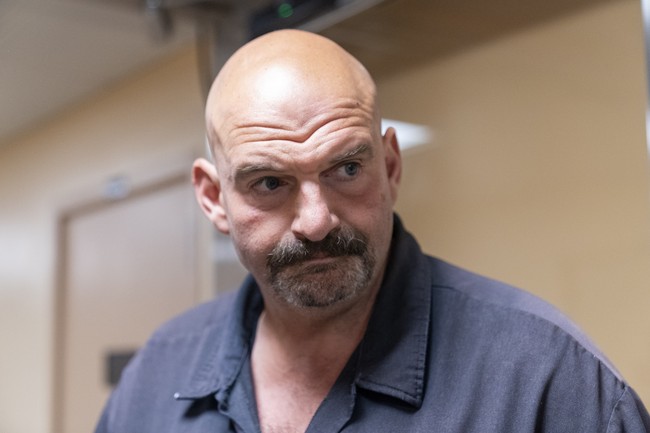
Public reaction has been swift and pointed, with voices on all sides weighing in. Senator John Fetterman has been one of the notable Democrats to call for action, bringing a blunt, security-first message to the debate. His remarks underline that this is not partisan theater but a matter of protecting the continuity of government during events that gather national leadership.
Senator Fetterman writes:
We were there front and center.
That venue wasn’t built to accommodate an event with the line of succession for the U.S. government.
After witnessing last night, drop the TDS and build the White House ballroom for events exactly like these.
President Trump also made his position unmistakable on social platforms, restating that the ballroom must be completed and defended from legal interference. He framed the project as a national security priority, stressing that a secure, on-site ballroom would eliminate the vulnerabilities of off-site gatherings and improve protective control. His statement presses for the rapid dismissal of the lawsuit that has halted progress.
President Trump writes:
What happened last night is exactly the reason that our great Military, Secret Service, Law Enforcement and, for different reasons, every President for the last 150 years, have been DEMANDING that a large, safe, and secure Ballroom be built ON THE GROUNDS OF THE WHITE HOUSE. This event would never have happened with the Militarily Top Secret Ballroom currently under construction at the White House. It cannot be built fast enough! While beautiful, it has every highest level security feature there is plus, there are no rooms sitting on top for unsecured people to pour in, and is inside the gates of the most secure building in the World, The White House. The ridiculous Ballroom lawsuit, brought by a woman walking her dog, who has absolutely No Standing to bring such a suit, must be dropped, immediately. Nothing should be allowed to interfere with with its construction, which is on budget and substantially ahead of schedule!!!
Beyond immediate politics, the White House has a long history of change that supports the argument for updating its footprint when security or functionality demands it. Additions and renovations span centuries, from porticos in the 1800s to major structural overhauls in the mid-20th century that addressed safety and habitability. Those precedents show the complex has always adapted to new needs and technologies rather than being left frozen in a single configuration.
Examples of past work include multiple portico additions in the 1820s, Victorian-era updates in the late 19th century, and major early 20th-century remodels that altered living and working spaces to suit modern presidential demands. The mid-century structural renovation reconstructed the interior while preserving the building’s role as the nation’s executive residence. Later projects added modern amenities and security layers such as the underground Presidential Emergency Operations Center.
That history matters because it frames the ballroom not as an aesthetic whim but as the next logical functional upgrade. Opponents of the project have used legal objections to slow or stop construction, asserting property and process concerns. Supporters counter that the unique security stakes for events hosting the president and the succession line override routine objections and merit expedited resolution.
The debate also hinges on public perception and political framing, which shape how courts and elected officials respond. Critics of the project often couch objections in neighborhood, environmental, or procedural terms, while proponents emphasize constitutional continuity and public safety. Those competing frames determine whether the project will resume quickly or remain mired in litigation for months or years.
Practical questions remain about timelines, construction methods, and how to balance security with transparency at a national landmark. Even so, the consensus among security-focused voices is that an on-site, secured ballroom would significantly reduce the kinds of vulnerabilities exposed by the recent incident. With high-profile endorsements from figures across the spectrum, pressure is building to move the project forward.
If the ballroom were completed, officials argue, future events involving the president and senior leaders could be staged within a controlled, hardened perimeter that minimizes uncontrolled access. The legal challenge now stands as the primary obstacle to turning that argument into reality. For many observers, the recent attack has shifted the debate from hypothetical to urgent, making the question of whether to finish the ballroom a live national-security issue.



Add comment