
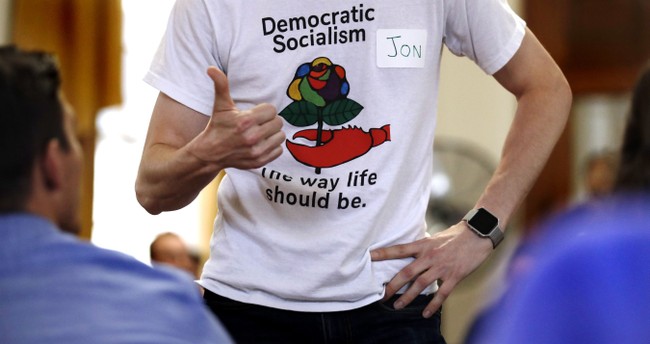
The Democratic Socialists of America have pushed their message into local politics, and recent comments from a DSA-aligned New York lawmaker about shoplifting set off a fierce reaction about crime, public safety, and what consequences should look like in our cities. This piece examines those remarks, the local fallout, and responses from leaders who say lax enforcement is driving stores to close and harming everyday people. It places the debate in the context of rising DSA electoral wins and the practical effects on neighborhood services and businesses. The tension is clear: ideological calls for mercy collide with the realities of organized theft, lost jobs, and shrinking access to essentials.
Across the country, DSA-backed candidates have been winning primaries and moving into elected offices, and that success has emboldened some members to push bold criminal justice ideas. In New York, an Assembly member argued that arresting people for stealing basic items like toothpaste and soap can separate them from jobs and services and perpetuate poverty. That statement came at an event criticizing policing tactics used for so-called quality-of-life offenses, and it immediately drew attention from both political opponents and local residents who deal with the consequences.
The practical fallout is hard to ignore for people who run or rely on neighborhood stores. When retailers regularly lose inventory to organized theft, they face real business decisions: shrink hours, reduce staff, or close locations altogether. Those choices ripple outward, especially for elderly residents and families who lose convenient access to pharmacies and everyday supplies, and for employees who lose jobs through no fault of their own.
Voices from the neighborhood captured the frustration plainly. One person described a local pharmacy boarded up and basic items locked behind plexiglass, saying, “This is the CVS off 14th St. in DC. You can decide crime shouldn’t have consequences. But then the rest of us get to live like prisoners with basic necessities locked behind plexiglass, waiting around to push a button so someone can bring us a tube of toothpaste.” That quote highlights how enforcement choices translate into daily inconveniences and a feeling of diminished safety for ordinary citizens.
Beyond inconvenience, there are stories of employees and small-business owners who say they are paying the price for permissive policies. One local account explained how a pharmacy closed after repeated theft, leaving seniors without nearby care and staff without work. That kind of outcome feeds a broader argument: policies that downplay consequences can encourage organized criminal behavior rather than addressing poverty or individual need.
Critics point out a recurring pattern: many shoplifting incidents are not one-off acts of desperation but organized, scalable thefts that feed street resale markets. A neighbor recalled seeing a man clear out every toothbrush and tube of toothpaste at a CVS to resell those items, which undermines the narrative of isolated, sympathetic thefts. When theft occurs at scale, it affects inventory, pricing, and whether a retailer can justify staying open in a neighborhood.
This is the CVS off 14th St. in DC. You can decide crime shouldn’t have consequences. But then the rest of us get to live like prisoners with basic necessities locked behind plexiglass, waiting around to push a button so someone can bring us a tube of toothpaste. We teach children that actions have consequences.
We teach them rules matter. Then they become adults and suddenly we invent a thousand excuses for why neither should apply.
Local officials on the right have responded with blunt critiques, arguing that rhetoric minimizing consequences effectively enables criminal enterprises that target retailers. They contend that defending organized theft as a form of protest or economic policy is disingenuous and harms the very people such policies claim to help. Those disagreements are now playing out in city council hearings, political statements, and neighborhood conversations.
https://x.com/EmilyAssembly/status/2088015972619710694
Supporters of stricter enforcement say the solution is straightforward: protect businesses, deter organized theft, and preserve access to goods and jobs for residents. They emphasize that consequences do not have to mean harsh prison sentences for minor offenses but do require a practical approach that stops repeated, organized looting. The goal they describe is restoring order so stores can remain open and communities can retain essential services.
You know what else separates people from their jobs? Rampant shoplifting. Our nearest pharmacy closed due to unchecked shoplifting. All of those employees lost their jobs. Now all the elderly people in my neighborhood have lost their closest pharmacy. Last year I witnessed a guy clear out every toothbrush and every tube of toothpaste at my local CVS. He wasn’t doing that for his oral health. He was doing it to resell.
As DSA influence grows in some cities, expect this argument to continue: one side arguing ideological reform and reduced criminalization, the other pressing for enforcement that preserves everyday commerce and public safety. The dispute is loud and local because it affects whether people can buy a toothbrush without barriers and whether workers keep their paychecks. That tension will shape politics on the ground as voters decide which approach best protects their neighborhoods.
Critics warn about further erosion of neighborhood retail if current trends persist, predicting more closures and potential public-sector solutions that replace private services. Whether policymakers respond with stronger enforcement, targeted social programs, or a mix of both will determine how these communities fare in the months ahead. The debate is a clear crossroads between ideological promises and the tangible needs of residents who want safe, functioning streets and open stores.

Home-based job that pays more than 12,000 Dollar per month by doing simple tasks on a laptop or mobile device part-time. Last month, I earned 24,863 Dollar from this job by working 4 hours per day online. Very simple jobs to do, and the earnings are insane. Everyone can now make more money online by joining the website listed below…..
𝒋𝒖𝒔𝒕 𝒖𝒔𝒊𝒏𝒈 𝒕𝒉𝒊𝒔 𝒔𝒊𝒕𝒆.. Www.PayAtHome1.Com