
The discovery that a conservative watchdog obtained unredacted voter-registration records for an allegedly undocumented school superintendent highlights ongoing questions about voter rolls, citizenship checks, and how election officials vet registrations. This article walks through the facts around Ian Andre Roberts, what the records reveal, the reactions from accountability groups, and the broader legal and political fallout as officials push for access to voter lists. It lays out the sequence of events, the organizations involved, and the tensions between state election offices and federal oversight. Expect direct reporting of the key claims, exact quoted statements, and embedded source material retained in place.
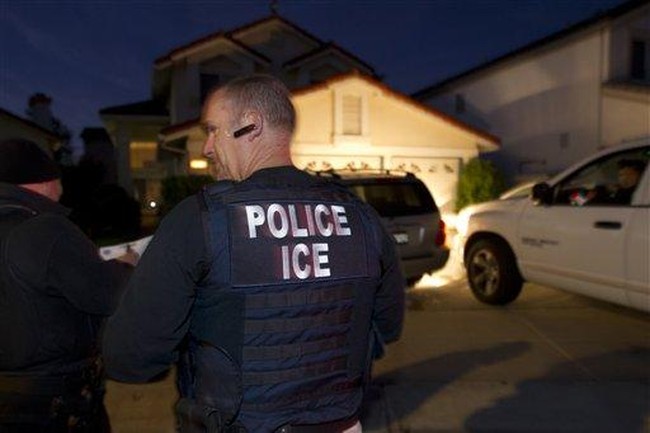
Americans are being told one story about immigration and voting, while this case offers a different picture that raises alarms for those focused on election integrity. Ian Andre Roberts, who once served as a public school superintendent in Des Moines, was detained by enforcement agents and later identified as someone under an existing deportation order. Officials say he had a handgun, a hunting knife, and cash in his vehicle when he tried to evade authorities, and his work authorization had lapsed years earlier.
Before Roberts relocated to Iowa, he lived in Maryland and registered with local election officials, reportedly checking the box that asserted U.S. citizenship. Conservative groups pressed county election staff for unredacted records and say what they received confirms the assertion that he declared himself a citizen on the registration form. Those findings have fueled accusations that some local systems rely on self-attestation rather than robust verification.
He first entered the U.S. in 1994 and was arrested by #ICE in September.
Two conservative organizations, the American Accountability Foundation and Restoring Integrity and Trust in Elections, were central to obtaining the unredacted records from election officials in Prince George’s County. They argue the documents show officials took Roberts at his word when he asserted citizenship, and that the wider problem is likely not limited to a single registrant. Critics of election administration point to this as proof that weak verification can leave voter rolls vulnerable to false claims of citizenship.
“The records show us what we all know – Maryland is not serious about keeping noncitizens off the voter rolls. Sadly, there are likely thousands more non-citizens on Maryland’s voter rolls.”
Election authorities had previously released a redacted copy and maintained that Roberts did not vote, but the newer unredacted material includes his registration statement. That mismatch between what was released earlier and what watchdogs later obtained has fed a larger debate about transparency and whether election offices are fully cooperating with lawsuits and information requests. Federal attention intensified when the Department of Justice filed litigation seeking statewide registration lists from several states.
The Department of Justice’s action adds a legal layer to the political controversy, with federal officials demanding voter-registration lists that some states have resisted providing in full. Advocates for stricter oversight argue the demand reflects legitimate interest in auditing and safeguarding voter rolls, while state election offices have raised procedural and privacy concerns when handling sensitive registrant data. The tension now plays out in court filings and public statements from both sides.
Restoring Integrity and Trust in Elections pressed for the full records and said it was surprised by how much was redacted in the publicly released version. Their leader described the redactions as shocking and framed the unredacted release as vindication of their push for accountability. That reaction echoes among advocates who want routine access to registration data so researchers and watchdogs can conduct independent checks of eligibility.
“Roberts affirmatively claimed U.S. citizenship on his voter-registration application, and that Maryland election officials took his word for it.”
Opponents of these oversight efforts warn about privacy and the risks of exposing personal data, while proponents say public confidence in elections requires transparency. For those concerned about noncitizen registration and voting, the Roberts example is more than an anecdote; it is an indicator of potential systemic gaps. The unresolved question is how many registrations nationwide might contain similar misstatements and what reforms, if any, will follow.
As courts weigh the DOJ’s requests and as conservative groups continue to pursue records, the story remains a live test of how election systems balance privacy, access, and verification. The debate will likely continue to drive policy proposals and litigation aimed at tightening procedures for registering voters and confirming citizenship claims. Public scrutiny over how registrars handle these cases has increased, and officials on all sides are under pressure to provide clearer answers.
The Roberts case also spotlights the practical challenge of enforcement: identifying noncitizen registrants among millions of records requires resources and legal authority that many jurisdictions say they lack. The broader political angle has already been seized upon by national commentators who interpret the episode through partisan lenses. Meanwhile, watchdogs and legal teams on both sides prepare for the next round of document requests and court hearings that will shape how voter-roll integrity is pursued going forward.

Add comment