
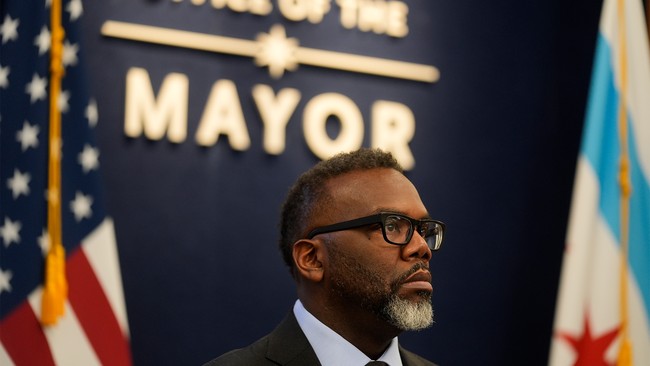
Chicago is about to host its first-ever New Year’s Rockin’ Eve event, but the city’s struggle with violent crime and the mayor’s recent public pleas make clear the tension between national image and on-the-ground reality. This piece looks at Mayor Brandon Johnson’s message to parents and youth, the backdrop of recent shootings, and why officials’ language and policies matter when a city invites the nation to watch.
The big production coming to downtown Chicago is a win for entertainment and tourism, but it also puts a national spotlight on a city with sharply rising safety concerns. Officials are trying to manage optics while also addressing real threats, and that balancing act is fragile when recent incidents show young people and families can be in harm’s way. The mayor’s public outreach highlights how image management becomes emergency planning when millions are watching.
Over Thanksgiving and the Christmas tree lighting, Chicago faced shootings that left a 14-year-old dead and multiple people wounded, and the Christmas holiday weekend saw more gunfire across neighborhoods. Those incidents undercut claims that urban areas are safe when leaders insist everything is under control. Voters and visitors alike notice when leaders insist a city is safe while the streets tell a different story.
Mayor Brandon Johnson released a video urging parents to coordinate with their children and asking youth not to “embarrass” the city during the nationwide broadcast. His appeal was aimed squarely at families and community leaders, and it carried an undertone of anxiety about what might happen in front of national cameras. When a mayor must beg for basic parental oversight, it raises questions about law enforcement capacity and leadership priorities.
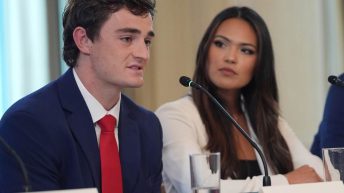
At the event, a “youth leader” Damarion Spann urged celebration in the “right way,” and Johnson highlighted outreach workers patrolling the Riverwalk to “help calm situations that may feel unsafe or overwhelming.” Those outreach teams can play a role in crowd management, but they are not a substitute for a robust public safety plan that deters violent actors. The reliance on outreach language shows a preference for soft interventions over firm, visible security measures.
Johnson also signaled support for curfews targeting 12- to 17-year-olds, a policy he had previously dismissed as ineffective and once called a “sin of the past.” That reversal is notable; it suggests political leaders respond to pressure when optics are at stake, but inconsistent positions can erode public trust. Policy flip-flops framed by television appearances do not inspire confidence that long-term safety improvements are being seriously pursued.
“Everyone needs to be responsible and respectful,” Johnson proclaimed, and he reiterated that parents keeping tabs on their kids would “play a vital role in making our New Year’s celebration a national success.” Those words are accurate in tone but reveal a troubling gap: responsibility is a shared value, yet it cannot replace strong policing, clear enforcement, and reliable emergency plans. Expecting families alone to prevent chaos is unrealistic when criminal networks and opportunistic violence are at play.
Social media quickly reacted to the mayor’s plea, and critics pointed out the gap between the public relations push and lived reality in neighborhoods experiencing frequent shootings. Mockery on social platforms reflects genuine frustration among many residents who want safer streets rather than image-focused campaigns. When the conversation is dominated by soundbites and viral clips, serious policy debate about guns, enforcement, and city resources can get sidelined.
Chicago’s leaders have a choice: prioritize long-term public safety measures that actually reduce violence or keep shifting tactics to protect appearances during televised events. National broadcasts can boost tourism and revenue, but they also expose weaknesses when things go wrong. A city that hopes to be seen as safe must demonstrate credible, consistent policies that residents can rely on every night of the year, not just when the cameras roll.
Ultimately, public confidence rests on results—fewer shootings, visible and accountable policing, and coherent leadership that does not flip positions for PR reasons. Officials can and should call on families and community workers to play their parts, but those calls should complement, not substitute for, effective public safety strategies. When a major New Year’s celebration is planned, it should be supported by planning that reduces the chance of a national embarrassment and, more importantly, protects lives.


Add comment