
This article explains how U.S. officials are already preparing plans for an international effort to escort tankers through the Strait of Hormuz, outlines recent incidents that have disrupted shipping, and describes how allies and commercial partners factor into any response to Iranian attempts to threaten a key oil transit chokepoint.
The Strait of Hormuz has seen a noticeable drop in traffic and a surge in price volatility for oil and petroleum-dependent goods. Iran’s moves to threaten or disrupt traffic are having real-world economic effects, and commercial shipping patterns have shifted as insurers, operators, and buyers react. For governments that rely on oil passing through the strait, this is not an abstract worry; it is a supply and security problem that needs practical solutions.
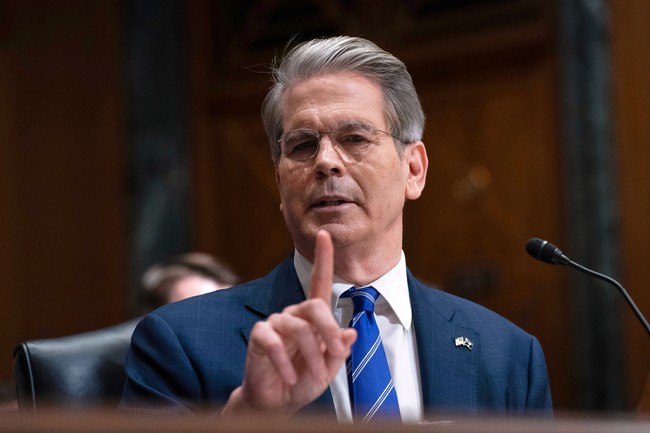
Treasury Secretary Scott Bessent stated that the idea of an international coalition escorting tankers is part of planning already underway. He noted that escorting vessels, whether by the U.S. Navy or a broader coalition, was always considered a contingency should the situation persist. Bessent also observed that some tankers, including Iranian and apparently Chinese-flagged ships, continue to transit the strait, suggesting selective or negotiated passage lanes still exist.
Treasury Secretary Scott Bessent said Thursday that an “international coalition” could escort tankers through the Strait of Hormuz.
“Are you starting to think, if this does keep persisting as it is, that the Navy has to go into the Strait of Hormuz to — to help ships get through, which would have a big effect on —” Sky News’s Wilfred Frost asked Scott Bessent in an interview.
“Look, that was always in our planning, that there’s the chance that U.S. Navy or perhaps an international coalition will be escorting oil tankers through,” Bessent replied. “There are, in fact, tankers coming through now, Iranian tankers, I believe some Chinese-flagged tankers have come through, so, we know that they have not mined the straits.”
That pattern aligns with the pragmatic relationship between Iran and China, where China takes roughly 80 percent of Iran’s exported oil. If Tehran wanted to close the strait outright, it makes little sense to do so without coordinating with its largest buyer, or at least signaling safe lanes to avoid hitting ships that serve vital economic interests. The presence of some transits suggests Iran may be applying pressure rather than attempting total closure.
Recent reports from maritime authorities say three ships in the strait were struck by unknown projectiles, and one of those strikes caused a fire aboard a ship. Separately, there was a fire aboard the USS Gerald R. Ford that U.S. officials determined stemmed from an accident rather than hostile action. These events feed uncertainty, and uncertainty drives caution among commercial shippers and naval planners alike.
The G7 has circulated language about coordination to restore freedom of navigation while exploring possible vessel escort operations when security conditions permit. The G7 group includes major economies that depend on oil flowing through Hormuz, and their combined naval assets and political influence give them options for collective action. Any coalition would aim to keep commercial lanes open while minimizing escalation with Iran.
For Washington, keeping the strait open is both an economic and strategic priority; allies in Europe, Asia, and elsewhere have the same interest. Reports suggest the U.S. president may seek naval assistance from countries not directly involved in a regional conflict, broadening the pool of ships available for escorts. Using allied naval assets and coordination reduces sole reliance on U.S. forces and spreads responsibility for securing a vital maritime artery.
Operational planning for escort missions involves intelligence, rules of engagement, and clear communication with commercial operators to establish safe transit corridors. If escorts are deployed, they will serve both to protect ships and to signal international resolve against coercive attempts to shut down the strait. The practical goal is straightforward: keep oil and goods moving while avoiding a wider military confrontation.
Shipping firms, insurers, and consuming nations will watch how quickly any coalition can stand up and whether it can provide credible security without increasing the risk of direct clashes. Diplomatic pressure and economic leverage will likely be used alongside any naval measures, since many of the same nations involved have significant trade and financial ties that can influence Tehran’s calculations. The next steps by regional actors and global powers will determine whether escorts become a limited contingency or a sustained multinational mission.

Add comment