
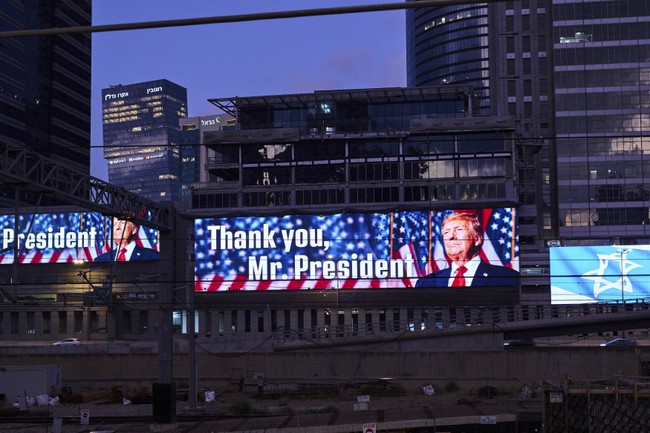
President Trump Vows US Intervention if Iran Kills Peaceful Demonstrators: ‘Locked and Loaded’
President Trump issued a forceful warning to Iran, promising U.S. intervention if the regime uses lethal force on peaceful demonstrators amid rising unrest tied to economic collapse and long-standing misrule. The protests began over a collapsing currency and swelling inflation, and have already turned deadly according to early reports. This article outlines the President’s message, the causes driving Iranians into the streets, the reaction from commentators, and what a firm U.S. stance could mean for the region.
President Trump posted a stark message on his platform, delivering a direct threat meant to deter Tehran from bloodshed. He wrote, “If Iran (shoots) and violently kills peaceful protesters, which is their custom, the United States of America will come to their rescue.” He added, “We are locked and loaded and ready to go.” Those words mark a clear escalation and send a signal that Washington is watching the regime’s response closely.
On the ground in Iran, the unrest traces back to severe economic pain that has been building for years under the current leadership. The rial plunged to record lows and inflation has devastated household budgets, pushing shopkeepers and ordinary citizens into coordinated strikes and demonstrations. That economic collapse combines with political repression to create a volatile mix that could produce broader instability.
Reports from the early unrest indicate at least one confirmed death, with other unverified accounts suggesting additional fatalities as security forces confront crowds. The deadly turn raises the stakes for the international community, and it creates a moral and strategic dilemma for U.S. policy makers. A Republican perspective emphasizes that projecting strength — and making credible threats — can deter worse violence and protect innocent lives.
Commentators and conservative reporters have noted how this moment differs from past flareups, arguing the regime’s long-term failures have eroded its capacity to control society. One observer wrote, “There have been numerous protests over the years in Iran,” and pointed to signs in this wave that give many people hope. The pattern of strikes and expanding demonstrations suggests a bottom-up challenge rather than a short-lived outburst.
Conservative analysts point to a mix of internal weaknesses: a cratering economy, strained regional alliances, and misallocated priorities by Tehran’s leaders. Ward Clark argued that Tehran’s leadership has prioritized foreign adventurism over basic domestic needs, saying, “Tehran is dying of thirst, due to drought and also due to the incompetence of the ruling mullahs and their predilection for funding terrorists rather than handling actual distributed interests of the Iranian people, like basic infrastructure.” That critique underscores why many Iranians have little patience left for the status quo.
Others suggest the protests could be more consequential because they tap into broad, cross-class anger rather than narrow grievances. Long-simmering frustration over corruption, economic mismanagement, and political repression creates a combustible environment. If security forces respond with lethal force, the situation could spiral quickly, prompting outside actors to consider intervention or other forms of support for civilians.
The President’s promise of intervention is rooted in a posture of deterrence: by making clear that the United States will act if peaceful demonstrators are slaughtered, Washington aims to raise the cost of violent repression. In practice, that posture can take many forms short of direct combat, including sanctions, targeted strikes on regime assets, and public diplomatic pressure. Republicans generally favor maximum leverage to protect civilians and punish brutality.
Past U.S. actions against Iranian interests have included strikes and tough measures on facilities tied to nuclear and military programs, reinforcing the credibility of threats from an administration willing to use force. With the regime weakened, analysts see an opening where pressure could yield meaningful change or at least restrain the worst abuses. Yet any intervention carries risks and must be weighed against the lives it seeks to save.
As demonstrations spread, observers will watch Tehran’s response and measure whether Washington’s warnings alter the calculus of Iran’s rulers. The coming days are critical: restraint by security forces could defuse tensions, while a violent crackdown could force difficult choices for the U.S. The Republican view is clear: a strong stance now can protect innocent people and push back against a regime that has long harmed its own citizens and destabilized the region.

Add comment