
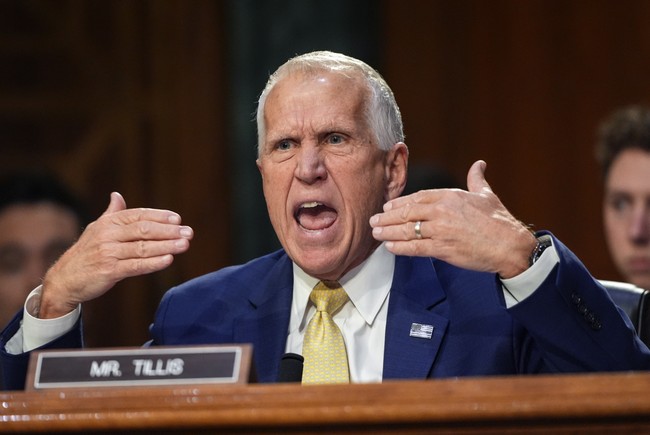
Quick take: I’ll explain the Tillis–Noem exchange, place it in the context of Tillis’s decision to retire, highlight the political dynamics at play within the GOP, show how reactions split along partisan lines, and note why this fight matters for the North Carolina Senate race and for Republican messaging on border and homeland security.
The scene: a heated Senate Homeland Security hearing turned into a high-profile clash between retiring Sen. Thom Tillis and DHS Secretary Kristi Noem. Tillis used the moment to press Noem aggressively, and the confrontation drew immediate attention because it came as North Carolina voters were casting primary ballots to replace him. The timing raised eyebrows inside the party and among voters watching the GOP pick its nominee.
Tillis’s decision to step away from a 2026 reelection bid was framed in a public statement that included the exact line, “In Washington over the last few years, it’s become increasingly evident that leaders who are willing to embrace bipartisanship, compromise, and demonstrate independent thinking are becoming an endangered species.” He also wrote, “Too many elected officials are motivated by pure raw politics who really don’t give a damn about the people they promised to represent on the campaign trail.” Those words now sit oddly next to his sharp tone toward a Republican cabinet official.
Many Republicans are watching that tension closely because a clear, united message on border security and immigration is crucial going into the midterms and beyond. When a sitting GOP senator publicly takes aim at a cabinet member from his own side, it creates two problems: it hands a political opening to opponents, and it muddies the party’s talking points on an issue voters care about. The optics here are not trivial in a state like North Carolina, where voters want toughness on the border and clear conservative leadership.
Critics within the conservative base say Tillis’s behavior reflects a pattern of distancing from the Trump-era agenda that cost him support among primary voters. That history makes his confrontation with Noem look less like oversight and more like a personal grievance. With former supporters pointing to past actions where Tillis broke with Trump, many wonder whether this wasn’t about principle so much as about settling scores on the way out.
At the hearing, the exchange also invited immediate comparisons to how Tillis dealt with past Democratic officials. Observers pointed out differences in tone and intensity when he questioned officials from the opposing party versus when cabinet secretaries aligned with Republican priorities were on the hot seat. For party activists and donors, consistency matters: if the same standard isn’t applied across the board, it creates distrust and fuels primary challenges.
Those primary dynamics are important because the replacement race in North Carolina is competitive and could shape the Senate balance. Voters there expect candidates who will push a clear conservative agenda on immigration enforcement, border security, and law and order. A retiring senator who appears to pick fights with a like-minded cabinet secretary complicates that message and gives opponents an easy frame to say the party is divided when unity would be more useful.
Beyond the state contest, the episode spotlights a broader question for the Republican Conference: how do you balance legitimate oversight with internal cohesion? Senators owe accountability to the public, but they also owe strategic discipline to their party if the aim is to win and govern. This is especially true on national security and homeland issues, where voters want firmness and results rather than intra-party theatrics.
Republicans committed to holding the line on immigration and protecting the border will argue that energy should be directed at the administration’s failures, not intra-party sparring. At the same time, there’s a place for robust questioning of any official, even those from your own side if there are real objections. The dilemma for GOP leaders is choosing fights that mobilize the base instead of fragmenting it.
Editor’s Note: ICE and CBP continue to put themselves in harm’s way in order to protect America’s sovereignty and to keep our streets safe.
Please help us continue to report the truth about the DHS’s efforts to clean up America by joining RedState VIP and using promo code FIGHT to receive 60% off your membership.
This all happened on the same day North Carolina voters were deciding primary nominations for the Senate race to follow Tillis, which only heightened the political stakes. Some suggested the real motive behind Tillis’s hostility had less to do with DHS oversight and more to do with intra-party legislative fights like the SAVE America Act.
The exchanges prompted a side-by-side look at how Tillis treated Kristi Noem compared with how he handled former DHS Secretary Alejandro Mayorkas from the opposing party. That contrast fed the narrative that Tillis reserved his sharpest heat for Republicans who didn’t align perfectly with his views, rather than for Democrats whose policies he claims to oppose.
At a moment when Republicans need disciplined messaging and clear priorities on homeland security, the Tillis–Noem confrontation serves as a reminder that internal disputes can undermine broader goals. Voters in North Carolina and across the country will remember how senators behaved when the stakes were high, and party leaders should take note of how those memories shape both primaries and general elections.



Add comment