
SNAP Saps Motivation and Creates Dependency
This piece argues that the modern SNAP system and the broader welfare state have shifted responsibility away from families, churches, and neighbors toward government, creating dependency, weakening personal accountability, and eroding civic charity, while pointing to historical patterns of private aid and warning that recent political choices have intensified the problem.
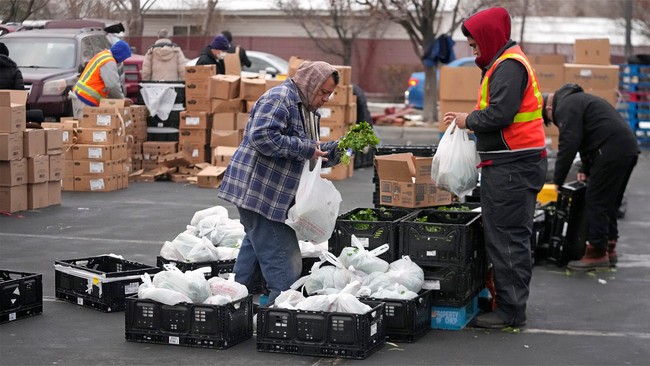
As the government shutdown stretches on and SNAP benefits for millions hang in the balance, the scene reveals more than short-term panic. It shows how deeply some Americans have come to rely on federal programs for everyday needs. The reaction is a symptom of a larger shift in who we expect to provide basic support.
Before the 1930s, direct federal welfare was quite limited, and most assistance came from families, churches, and local charities. Those private networks provided accountability and a personal stake in the outcome of aid. People leaned on neighbors and faith communities rather than filling out government forms.
During hard times, communities improvised with barter, mutual aid, and informal labor exchanges that preserved dignity and reinforced social bonds. Farmers often traded food for work, and service providers swapped skills for goods. Those arrangements made help a two-way street rather than a one-way dependency.
Historical data points to a time when private charity outpaced official spending on welfare, showing a different civic model than the one we live under today. When charity lived at the community level, assistance was woven into everyday relationships and expectations. The result was mutual responsibility rather than institutional reliance.
As government programs became the default safety net, private giving declined in some places, not because Americans stopped caring but because they assumed the state would step in. The outsourcing of compassion to bureaucracies changes incentives and reshapes norms. Where once neighbors checked on one another, now calls and forms replace conversation and accountability.
Today, SNAP aids over 42 million people — roughly one in eight Americans — and that scale carries consequences for social behavior and incentives. When the federal program is the primary provider, it can reduce pressure on local networks to respond. The practical effect is a diminished role for voluntary organizations and a bigger role for centralized administration.
Dependency grows when public policy positions government as the first responder for routine needs, not the last resort. That dynamic erodes the habit of self-reliance and reduces the motivation to seek private solutions or community help. The cultural cost is a gradual weakening of the civic habits that knit neighborhoods together.
There is a moral dimension as well as a policy one. Scripture instructs, “If anyone will not work, neither shall he eat.” That line is often cited as a warning against systems that remove incentives for productive participation. It is not meant to be cruel; it speaks to dignity tied to contribution and the dangers of replacing responsibility with entitlement.
When a shutdown triggers widespread fear of hunger, it reflects both a Washington failure and a societal failure. Our Founders did not design a system where the federal government functions as everyone’s guarantor. Expanding the welfare state has inevitably enlarged government and, for some, shrunk individual capacity to provide for themselves and their neighbors.
Editor’s Note: The Schumer Shutdown is here. Rather than put the American people first, Chuck Schumer and the radical Democrats forced a government shutdown for healthcare for illegals. They own this.



Add comment