
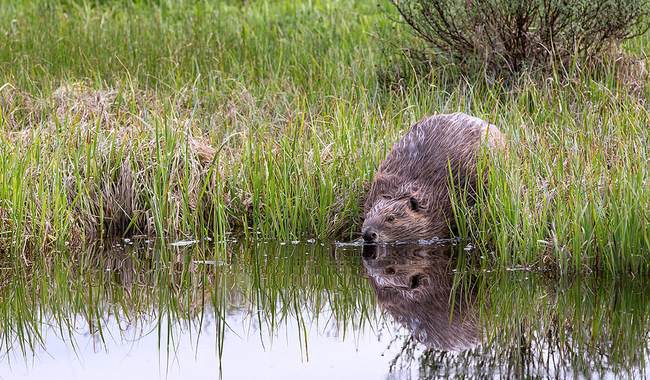
The piece looks at a surprising ecological story: Russia’s beaver numbers are rising, local authorities worry about damage and infrastructure, and media in the region have framed migrating beavers as a geopolitical nuisance tied to NATO. Experts say the animals are following natural patterns, while Russian reports describe volunteers removing dams and officials debating “regulatory measures.” There are odd cultural footnotes and anecdotes sprinkled through the reporting, plus a few memorable quotes from Russian sources and scientists.
Beavers are remarkable ecosystem engineers, known for building dams and creating ponds that reshape landscapes. These activities can flood fields, change water tables, and sometimes harm human infrastructure when they settle near roads, fields, or populated areas. In Russia, Eurasian beaver numbers have grown substantially over recent decades, and the Ministry of Natural Resources has flagged the increase as significant in some regions.
The beaver population in Russia has nearly doubled since the early 2000s and continues to grow. The Ministry of Natural Resources believes that in some regions, the growing beaver population requires “regulatory measures,” as the animals can damage infrastructure. Experts argue that preventative action is needed. We explain how many beavers there are in Russia today and whether they pose a threat.
That growth explains why beavers are showing up in new places: young animals disperse to find unoccupied stretches of water, and they will cross borders without any political agenda. Still, in Kaliningrad the story took a strange turn when local media began framing migrating beavers as an “invasion” from NATO countries. The narrative cast beavers coming from neighboring Poland and Lithuania as if they were part of a geopolitical play rather than a simple ecological expansion.
Russian media reports have cast beavers migrating into the Kaliningrad region from Poland and Lithuania as an “invasion” from NATO territory.
Residents have complained for about two months that dams built by the animals are causing waterways to overflow, flooding fields and forests and contributing to waterlogging.
According to Russian reports, around 100 volunteers have dismantled 43 dams, including some near Russia’s borders with Poland and Lithuania.
There is a grain of truth to the worry. Beaver dams can cause flooding that affects agriculture and infrastructure, and communities sometimes need to remove or modify dams to protect roads or farmland. Preventative wildlife management and well-considered regulatory measures are reasonable when beaver activity threatens human safety or property.
At the same time, dismissing every animal movement as a geopolitical threat is a poor look and risks distracting from genuine management needs. A veterinary scientist quoted in the reporting emphasized that the animals are simply migrating and that Russian beavers also move into neighboring countries, underscoring the transboundary nature of wildlife behavior. Framing natural behavior as an act of foreign hostility does not help local landowners or conservationists deal with practical problems.
Veterinary scientist Alexander Muromtsev dismissed the geopolitical framing, saying the animals are simply migrating and that Russian beavers also move into neighboring countries.
Kaliningrad, a Russian exclave wedged between Poland and Lithuania, has significant military importance and frequently features in tensions between Moscow and NATO.
A report on Russian disinformation documented claims portraying NATO exercises near the region as preparations for a blockade.
Still, the theater around Kaliningrad highlights how easily political tensions can seep into everyday issues. Kaliningrad is strategically important, and any news from the region draws extra attention and magnifies fears. But the idea that NATO would wage an amphibious campaign of beavers is obviously absurd, and wildlife migration is a far more plausible explanation.
Some social media posts from other conflict zones have even anthropomorphized beavers, suggesting animals are taking sides in broader fights. Those viral takes make catchy headlines, but they do not substitute for field evidence or ecological reasoning. Where beavers are altering waterways in ways that endanger people or cropland, practical responses are what matter: removal of problematic dams, relocation in extreme cases, and planning that balances habitat benefits with human needs.
As flood waters rise following the potentially ‘catastrophic’ destruction of a dam – which Ukraine has blamed on Russian forces – a beaver has been spotted making its way through floodwater in Kherson.
A video of the semiaquatic animal has been shared widely on Ukrainian social media as a sign of defiance following what many labelled a ‘terrorist’ act carried out by Putin’s forces.
The reporting contains a few humorous asides and personal anecdotes, including a rural recollection about beaver tail cooking and notes about trapping days gone by. Those touches lighten the piece and reflect the writer’s background and voice without changing the core facts: beaver numbers are up, they can cause local damage, and authorities are debating how best to respond. Volunteers in the Kaliningrad area reportedly dismantled dozens of dams, showing that communities are already taking action in places where flooding is a real concern.
Wildlife management is a practical, local task and should be treated that way. Whether you view beavers as nuisance animals or beneficial ecosystem engineers, the reality is they do not respect borders or propaganda. Handling their expansion requires clear-minded solutions, not geopolitical theater, and a willingness to balance environmental benefits with human safety and property protection.


Add comment