
I’ll walk through how city budgets and public safety intersect, highlight the National Police Association’s concerns, lay out the most cited spending figures, quote key remarks exactly as stated, and place the preserved embed where it originally appeared.
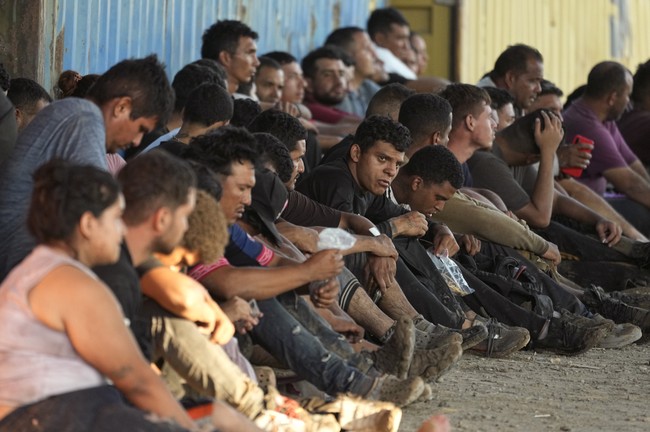
Police officers in major American cities are facing a squeeze from elected leaders who, in many places, prioritize other agendas over traditional law enforcement needs. Calls from the rank and file say they are understaffed and underfunded while municipal budgets shift significant resources elsewhere. That tension has become a flashpoint as some cities divert billions toward migrant care and shelter, even as patrol rolls shrink and morale declines.
The National Police Association has gone public to criticize those budget priorities, framing the situation as an unfair trade-off for officers who keep neighborhoods safe. Sergeant Betsy Brantner Smith, the group’s spokeswoman, voiced frustration over large sums being directed to support people in the country unlawfully. That complaint lands differently when you consider police workloads, overtime needs, training shortfalls, and the basic demand for visible policing in troubled neighborhoods.
A police group says that law enforcement in Democratic-run cities and states across the country are “tired” of seeing local politicians supporting illegal immigrants rather than attempting to address key issues they’re dealing with, such as being understaffed and underfunded.
Sergeant Brantner Smith didn’t soften the message during her appearance with national media, and her remarks underscore a practical question: how do cities balance humanitarian impulses with core public safety responsibilities? Police leaders are making the economic argument that pouring money into migrant services while their own agencies struggle with vacancies is neither efficient nor fair to taxpayers. For many residents, the visible absence of officers and the presence of sprawling temporary shelters are stark reminders of misaligned priorities.
National Police Association spokeswoman Sgt. Betsy Brantner Smith told Fox News Digital that law enforcement officers view the funding as unnecessary when their agencies are already understaffed, using Chicago as one example.
“It’s very frustrating for law enforcement,” she said. “There are so many financial resources spent toward illegal aliens, as well as all the political capital that is being spent right now in Chicago in support of illegal aliens.”
The term used in these remarks is deliberately blunt: illegal aliens. For officials who favor strict immigration enforcement, that phrase signals a clear belief that resources should prioritize citizens and lawful residents first. The argument is that city budgets should reflect responsibility to constituents who pay taxes and rely on consistent policing, not create an incentive structure that encourages unlawful entry or strains municipal services.
The dollar figures cited in reporting are staggering and hard to ignore when budgeting conversations are so heated. New York City was projected to spend more than $8.9 billion on illegal immigrants in 2024 and 2025, according to one fiscal analysis. Illinois estimates suggest over $2.5 billion has been spent on care for illegal immigrants since 2021, and Chicago alone reportedly spent about $255 million in 2022 and 2023 on housing, food, clothing and other care.
When municipal leaders decide to allocate billions for migrant-related needs, they create palpable trade-offs. Every dollar spent on temporary shelters, emergency healthcare and housing support is a dollar not available for hiring more patrol officers, replacing aged equipment, or funding community policing initiatives that reduce crime. Those budget choices map directly onto the lived experience of neighborhoods that are asking for safer streets.
Citizens are noticing and reacting, and municipal meetings are becoming venues for heated debate over who gets priority. Taxpayers who feel squeezed by property taxes, utility costs, and stretched city services are increasingly vocal. Some council members and aldermen report hearing persistent complaints about the scale of housing set aside for migrants and the strain on services that were already thin.
There is a humane baseline most agree on: emergency medical care and lifesaving services should be provided when needed. But critics argue that once an emergency is resolved or the immediate crisis has passed, the long-term approach should be repatriation or federal-level solutions rather than permanent city-funded care. That perspective insists on restoring clear incentives and responsibilities for federal immigration control rather than expanding municipal welfare roles.
Political responsibility also features in these debates. Many voters express frustration that, despite complaints and budget concerns, electoral outcomes often return leaders who support the same spending priorities. That cyclical pattern fuels cynicism and raises questions about accountability, governance, and the political costs of these policy choices.
Editor’s Note: The Schumer Shutdown is here. Rather than put the American people first, Chuck Schumer and the radical Democrats forced a government shutdown for healthcare for illegals. They own this.



Add comment