
The article reports on a massive overnight warehouse fire in Ontario, California, at a Kimberly-Clark distribution center that became a six-alarm blaze, details the arrest and charges against an employee alleged to have started the fire, summarizes the evidence including a social media video and recorded statements, and examines the broader consequences for workers, inventory, and community response.
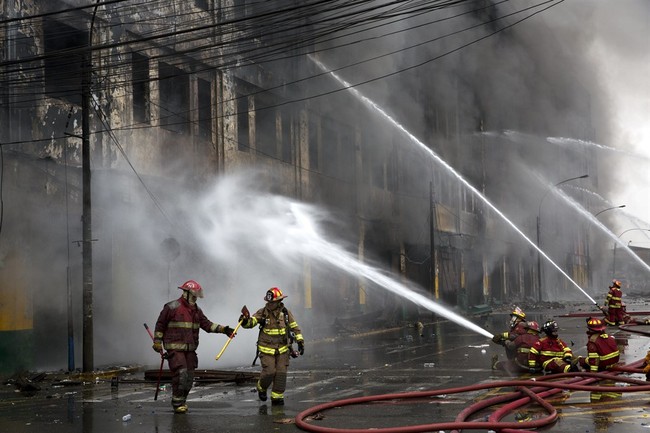
Shortly after midnight on Tuesday, a huge fire broke out at a Kimberly-Clark distribution center in Ontario, California, a facility of more than one million square feet. The blaze was quickly upgraded to a 6-alarm fire as firefighters confronted flames in multiple locations across the building. Crews shifted to a defensive tactic because the size and spread made an aggressive interior attack unsafe.
No injuries were reported among employees because the fire started when only a small overnight crew was on site. Less than two dozen workers were present that night, and authorities later took an employee, identified as Chamel Abdulkarim, into custody the following morning. Investigators moved swiftly to treat the incident as malicious after observing the pattern of blazes inside the sprawling warehouse.
Officials say the fire erupted in several spots, prompting on-scene speculation that the burns were deliberately set rather than accidental. Video from social media attributed to the suspect reportedly shows him using a lighter on pallets of paper products inside the facility. The footage, according to investigators, captured the ignition and the rapid growth of flames on stacked inventory.
Prosecutors have lodged multiple counts of felony arson against Abdulkarim as a direct result of that video and other evidence. In the recording, the individual is heard offering a rationale for his actions tied to workplace pay, providing authorities with a clear statement connected to the alleged crime. The presence of that footage substantially strengthens the prosecution’s case.
Estimates for the damage run into the tens of millions of dollars, reflecting both the size of the facility and the value of the stored products. Beyond the monetary loss, the fire destroyed a large portion of the warehouse’s inventory and disrupted distribution chains for household paper brands. The ripple effects will likely affect suppliers, retailers, and employees tied to the operation.
Video evidence reportedly contained audible comments by the person recording the fire, providing investigators direct quotes that framed the incident as a response to perceived inadequate pay. Those statements are now part of the case file and are being used to connect motive to action. The clearest piece of primary evidence remains the visual record of pallets being set aflame inside the building.
While no one was hurt, dozens of employees have been affected by the loss of work and the damage to the facility that supported their jobs. Large-scale losses like this can mean temporary layoffs, longer-term disruptions to scheduling, and complications for employees who depend on steady shifts. The economic toll on local workers and the logistical challenges for suppliers and retailers will take time to measure.
Authorities continue to investigate the timeline of events, the exact method used to start multiple fires, and any possible accomplices or prior planning. Fire investigators and law enforcement are reviewing surveillance and personnel records to establish when and how the fires were set. The case will proceed through the criminal justice system as prosecutors evaluate the full scope of charges.
The incident has also raised broader questions about workplace grievances and public response channels for employees who feel mistreated. Experts emphasize that lawful avenues exist for wage disputes and employment complaints, and that resorting to destructive acts endangers coworkers and communities. The legal consequences for intentionally starting a large-scale fire are severe and may include years of incarceration if convictions are secured.
Local emergency services praised the firefighting effort that prevented loss of life and brought the massive blaze under control. The scale of the operation required coordination among multiple fire departments and support units to manage the scene and protect neighboring areas. Cleanup, damage assessment, and environmental monitoring will continue as public safety officials work to secure the site.
“You know, if you’re not going to pay us enough to live or afford to live, at least pay us enough to not do this sh**.” / “All you had to do was pay us enough to live. All you had to do was pay us enough to f***ing live. All you had to do was pay us enough to live.” / “There goes your inventory.”
Insurance claims, corporate recovery plans, and supply-chain adjustments are expected to follow as Kimberly-Clark and its partners assess losses and outline repair or relocation plans. The long-term operational impact will depend on insurance payouts, availability of alternative distribution centers, and the speed of rebuilding efforts. For now, the community is left to address the immediate fallout from one of the region’s largest warehouse fires in recent memory.



Add comment