
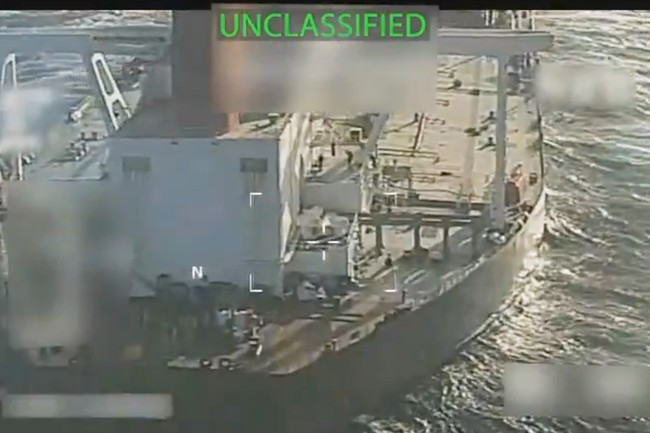
The U.S. Navy and Marine units executed a pre-dawn boarding and seizure of the tanker Olina in the Caribbean, part of Operation Southern Spear, removing another vessel tied to sanctioned Venezuelan oil shipments and signaling firm enforcement of maritime law and U.S. interests in the hemisphere. This report outlines the operation, official statements, context on ghost fleets and sanctions evasion, the government’s public messaging, and the implications for policy and regional security.
The operation unfolded with precision and no reported injuries, according to official notices about the boarding of the tanker Olina. Elements from carrier and amphibious groups provided the necessary reach and force posture to intercept and board the vessel in international waters. The seizure is another example of kinetic enforcement that pairs naval power with law enforcement authorities to stop illicit commerce.
U.S. Southern Command is handling the effort under Operation Southern Spear . The operation has been framed as a steady campaign to end illicit activity that funds criminal networks and hostile actors in the Western Hemisphere. Officials emphasize coordination between military and civilian agencies to make such interdictions lawful and effective.
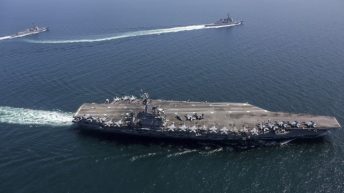
The official account highlights the joint nature of the mission and the platforms involved. “launched from the USS Gerald R. Ford and apprehended Motor/Tanker Olina in the Caribbean Sea without incident.” That sentence comes from the public release outlining the assets and sequence. The statement names key amphibious and naval ships that provided coverage and boarding capability.
…launched from the USS Gerald R. Ford and apprehended Motor/Tanker Olina in the Caribbean Sea without incident.
Apprehensions like this are backed by the full power of the U.S. Navy’s Amphibious Ready Group, including the ready and lethal platforms of the USS Iwo Jima, USS San Antonio, and USS Fort Lauderdale.
The Department of War’s Operation Southern Spear is unwavering in its mission to defend our homeland by ending illicit activity and restoring security in the Western Hemisphere.
Public commentary from regional security analysts and maritime risk firms noted the Olina’s AIS had been inactive for an extended period, and the ship’s movements suggested attempts to evade detection. Those patterns are consistent with what investigators call the “ghost fleet” method, where vessels obscure identity, change flags, and transfer cargo covertly. This behavior undermines sanctions regimes and props up criminal and authoritarian regimes alike.
U.S. Southern Command said the operation sent a clear message that “there is no safe haven for criminals.”
“The vessel’s AIS (location) tracker was last active 52 days ago in the Venezuelan EEZ, northeast of Curaçao,” British maritime risk management company Vanguard said, “The seizure follows a prolonged pursuit of tankers linked to sanctioned Venezuelan oil shipments in the region.”
The Olina was reportedly flying the flag of Timor-Leste, according to reports. The vessel had previously sailed from Venezuela and returned to the region, industry sources said.
The coast guard and Navy say these interdictions are meant to cut off revenue streams used by cartels and hostile networks, including those that support narco-terrorism. Officials argue that stopping these shipments reduces the ability of illicit actors to operate with impunity. That rationale underpins the broader effort to enforce sanctions while preserving maritime safety.
Secretary of Homeland Security Kristi Noem issued public remarks and a social post on the seizure . Her comments stressed legal coordination and the determination to hold violators accountable. The public messaging framed the action as both lawful and necessary to protect American interests and regional stability.
…this vessel had departed Venezuela attempting to evade U.S. forces.
Close coordination with the @DeptofWar, @StateDept, and @TheJusticeDept ensured a safe, effective boarding consistent with law.
The ghost fleets will not outrun justice. They will not hide under false claims of nationality. The Coast Guard will seize sanctioned oil tankers, enforce U.S. and international law, and eliminate these funding streams for illicit activity including narco-terrorism.
We are deeply proud of the Coast Guard’s maritime fighting force for their relentless execution of this mission. This is owning the sea.
Seized vessels typically head to U.S. custody, where cargo is offloaded and legal channels sort out ownership and disposition. That process can include forensic inspection of logs, manifests, and electronic records aimed at tracing networks behind the shipments. The eventual outcomes can influence sanctions enforcement, prosecutions, and diplomatic leverage.
From a policy standpoint, these seizures demonstrate a willingness to use statecraft backed by force to uphold international norms and protect allied interests. The administration presents this as part of a broader strategy to ensure Venezuelan resources do not line the pockets of kleptocrats or criminal syndicates. For supporters who favor a strong posture, actions like this reinforce credibility and deter bad actors in contested maritime domains.
While the detention of a single ship does not end illicit trade, it raises the cost of sanction-busting and signals sustained commitment. Expect continued coordination among defense, law enforcement, and diplomatic agencies to track and interdict vessels that attempt to bypass restrictions. Those operating in the shadow fleet should take the message seriously: maritime enforcement is active, coordinated, and capable.
Editor’s Note: Thanks to President Trump and his administration’s bold leadership, we are respected on the world stage, and our enemies are being put on notice.

Add comment