
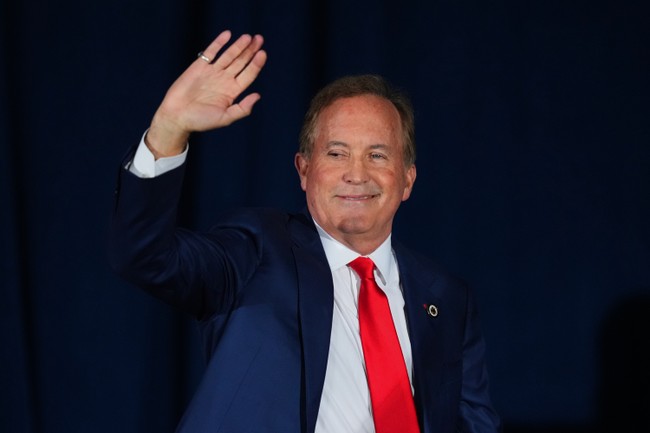
The Texas Republican Senate runoff ended decisively for the challenger and delivered a clear message to the party establishment: voters rejected the comfortable status quo in favor of an insurgent, Trump-backed conservative. Ken Paxton defeated incumbent John Cornyn by a wide margin after a bruising, expensive primary season that highlighted national fault lines in the GOP. The result reshapes the November matchup and puts an activist conservative in the driver’s seat for the general election. This outcome matters for Republicans who want bold, unapologetic leadership rather than cautious accommodation.
The runoff was framed as grassroots energy versus Washington insider control, and the grassroots won. Paxton rode a wave of anti-establishment sentiment that had been building in Texas for years, amplified by a late endorsement from President Donald Trump that gave his campaign momentum. Congressman Wesley Hunt’s decision to back Paxton after dropping out also helped consolidate the anti-Cornyn vote, proving that endorsements from primary rivals can move large blocs of voters. The campaign atmosphere made clear that Republican primary voters want fighters, not negotiators.
Money flooded this race in ways that set new records, with advertising spending alone hitting eye-popping figures. The primary cycle became the most expensive in U.S. history for a Senate race, driven by both individual donors and organized political money seeking to protect or upend the status quo. Cornyn outspent Paxton by about three-to-one, yet that spending did not translate into victory for the incumbent. Voters showed they can look past a glossy ad buy and pick the candidate they see as genuine.
Even as traditional GOP institutions rallied for Cornyn, the electorate moved in another direction. Cornyn pivoted toward Trump-friendly language in the runoff, attempting to present himself as an ally of the former president, but it was too little too late. The political reality in 2026 is that authenticity and demonstrated loyalty to the movement matter more than carefully managed messaging. The result is a rebuke to cautious political calculus in favor of bold alignment with conservative priorities.
Sen. John Cornyn (R-Texas) defended his MAGA bona fides in a final-hour pitch to Texas primary voters on Tuesday, portraying himself as an “ally” of President Trump who has consistently supported the administration’s agenda.
“I’m proud of the fact that we confirmed hundreds of justices, including three new Supreme Court justices. I was the whip, or the chief vote counter, during his first term when we passed the Tax Cuts and Jobs Act, and the Working Family Tax Cuts Act,” Cornyn said during a morning appearance on Fox News’s “Fox & Friends.”
“So, I’ve been an ally of the president,” he added, according to comments highlighted by NBC News. “He’s called me a friend. I understand he’s made his choice … but only Texans get a chance to vote in this primary.”
Polls heading into the runoff had suggested a Paxton advantage, and those numbers turned into reality on election night. Where polling dovetailed with voter enthusiasm, the insurgent campaign benefited most. This demonstrates that polling, when reflective of genuine voter sentiment, can foreshadow outcomes and focus campaign resources where they matter. Conservative voters who turned out delivered a clear preference instead of hedging their bets for a safer choice.
The national implications are immediate and tangible. Paxton will face Democrat James Talarico in November, and the general election is now a different kind of fight. Republicans in Washington should take note: nominating fighters with clear, uncompromising conservative records can energize the base and complicate Democratic messaging. If the party wants to hold both chambers, it must support candidates who excite turnout and who can defend firm conservative principles under pressure.
This runoff also underscores a generational shift within the Republican coalition in Texas. Longtime incumbents who once seemed untouchable now face serious primary threats from within the party. Voters are less tolerant of perceived moderation or deals that leave conservative goals on the table. The lesson for Republican leaders is obvious: stop treating the base like a guaranteed voting bloc and start answering to its priorities or risk being replaced.
The result will reshape intra-party dynamics in the months ahead, as leaders decide whether to embrace the insurgent turn or double down on establishment strategies. For many activists and voters, the Paxton victory validates a more muscular, unapologetic approach to policy and politics. For those who prefer traditional Republican institution-building, the loss is a call to rethink outreach and messaging in a party that is clearly moving to the right.
Big-money spending and institutional endorsements could not overcome momentum built on voter dissatisfaction and a clear national swing toward anti-establishment conservatism. The Texas runoff was noisy, expensive, and divisive, but it ended with a single, uncomplicated message: Republican primary voters wanted change. That decision will shape November and send a message to party leaders in Texas and Washington about who they should listen to going forward.

Add comment