
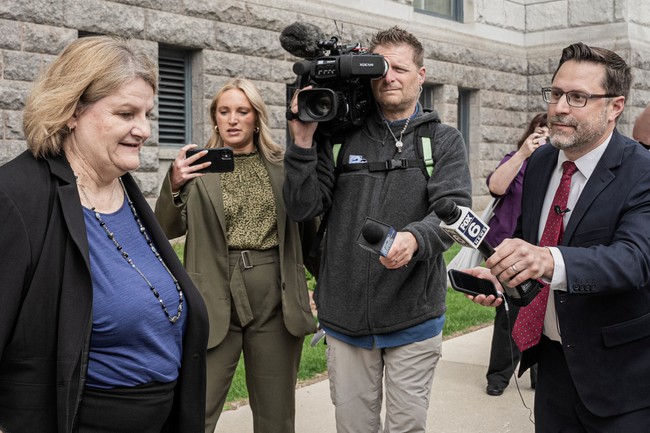
The conviction and resignation of a state judge for obstructing immigration enforcement has put judicial overreach back in the spotlight, sparking talk of impeachments, committee hearings, and a wider debate about the proper role of judges in our republic.
This case stems from a December jury verdict in Wisconsin finding a Milwaukee County circuit judge guilty of felony obstruction for helping an undocumented person evade federal agents. The judge’s own words were captured on audio: “I’ll take the heat,” a line that now stands at the center of the scandal and the public’s frustration with activist judges. The resignation that followed, under the threat of impeachment, marks a rare moment of accountability for a member of the judiciary.
The Dugan case did not arise in isolation. Around the same period, other federal judges issued sweeping orders that clashed with the elected branches’ policy choices, especially on immigration and foreign aid. Those lower-court rulings drew sharp criticism for appearing to substitute judicial preference for political judgment, fueling calls from many conservatives for stronger checks on judicial power.
Some judges have taken dramatic steps, issuing injunctions that halt executive actions or force continued spending against the president’s directives. These decisions have generated controversy because they can override policy enacted by officials who are accountable to voters. When judges repeatedly sidestep elected choices, it erodes confidence in the impartiality and restraint expected of the judiciary.
Congressional response has been swift in several quarters. Draft articles of impeachment and proposed hearings reflect a determination in some lawmakers to hold judges accountable when they act like a rival branch rather than a neutral arbiter. The Senate Judiciary Committee scheduled a hearing to tackle the problem of what many call “rogue judges,” framing it as a necessary first step toward restoring balance among the branches.
Critics on the left argue that such measures risk politicizing the courts, but proponents contend the alternative is worse: a permanent, unelected set of officials shaping policy by decree. The debate is not merely academic—real people feel the effects of these rulings on border security, spending priorities, and longstanding programs. That loss of democratic control is why many conservatives say impeachment and other remedies are on the table when judicial actions cross clear constitutional lines.
Accountability in this context takes multiple forms. Appeals and reversals remain essential, but they can be slow and unpredictable. Impeachment offers a direct constitutional mechanism when a judge’s conduct amounts to abuse of office or a clear refusal to follow the law. Resignations, as in the Wisconsin case, are preferable to prolonged battles that further undermine public trust.
Maintaining separation of powers means judges should decide disputes as written law and precedent require, not pursue policy goals they could not win at the ballot box. When judges openly brag about shielding certain people from federal enforcement or ordering continued payments that Congress intended to cut, they step outside the proper judicial role. That behavior tests the patience of citizens who want their votes to matter.
Public reaction to the Dugan verdict and similar controversies reflects broader discontent with an elite legal culture that sometimes appears insulated from consequences. Regular Americans watching these dramas see elected priorities delayed or undone by judicial fiat, and they understandably ask who will defend their decisions. That demand for accountability is central to the current conversation about restoring constitutional balance.
There are practical lessons here for judges, lawmakers, and the public. Judges must exercise restraint and respect the limits of their offices. Lawmakers and executives must craft clearer statutes and procedures so disputes are less susceptible to judicial gamesmanship. And citizens should expect their representatives to pursue remedies, including investigations and hearings, when the judiciary strays into policymaking.
In Wisconsin, a jury delivered a verdict that many conservatives view as corrective: a judge was held responsible for actively obstructing federal enforcement, and she resigned amid impeachment threats. That result signals to others on the bench that actions with clear political intent can bring consequences, not just appeals and reversals. The broader fight over judicial power will continue, but this moment underscores the need for a system where no branch regards itself as sovereign.
https://x.com/mattsmith_news/status/2007482748076995047/photo/1



Add comment