
Checklist: explain the historical precedent of targeted operations, describe the formation and mission of the Nili unit, outline how Nili identifies and tracks suspects, report the reported kill count from October 7 attackers, and include key quoted material verbatim.
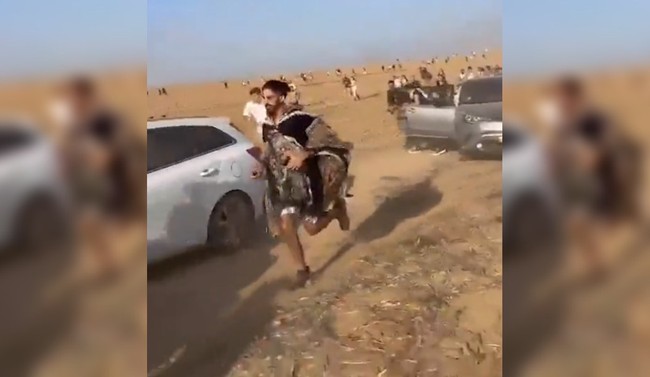
The October 7 attacks reshaped Israeli counterterror operations and sparked a focused response that blends military force and covert intelligence. This piece traces how Israel moved from broad retaliation in past decades to a precise, secretive hunt aimed at those who invaded on that day. It highlights a shadowy unit called Nili, its methods, and the reported toll attributed to its work. The account also links that modern campaign to historical efforts Israel undertook after the 1972 Munich massacre.
After Munich, Israel did not simply mourn; it organized targeted strikes and long-range operations that sought to deny perpetrators safe havens. Those campaigns, named in various ways over the years, reflected a doctrine of pursuing terrorists across borders when necessary. The mentality carries through to today: when civilians are slaughtered, national security forces reshape priorities to eliminate the perpetrators wherever they hide. That continuity helps explain why a specialized unit would be stood up after October 7 with a single, relentless mission.
https://x.com/heart_ISR/status/2075988791781892430
The Nili unit, reportedly formed soon after the October 7 assault, was tasked with tracking down every attacker who crossed from Gaza. Media reports attribute the name Nili to a biblical phrase meaning “the Eternal One of Israel will not lie,” and describe it as a hybrid team drawing on internal security elements and military capabilities. Its mandate, as reported, focused on identifying and neutralizing the individuals who participated in the mass assault. The goal was narrow: make sure none of those who committed the atrocities walked free from consequence.
According to the reporting that surfaced in Israeli outlets, roughly 2,561 of the roughly 3,000 who entered Israel on October 7 have been killed in the months since. About 1,000 of those deaths reportedly occurred in conventional battlefield engagements with regular IDF forces. The balance, the reports say, were located and eliminated through the efforts of Nili and allied intelligence units. Those numbers, if accurate, represent an unusually concentrated and sustained campaign of targeted neutralizations.
How does a unit like Nili work at that level of specificity? The answer combines technology, human sources, and old-fashioned interrogation. Facial recognition applied to images and video captured inside Israel is part of the toolkit, paired with electronic surveillance that maps movements and connections. Prisoner interrogations and informants supply the human intelligence that fills gaps technology cannot. That combination is what allows operatives to move from a photo or a fragmentary lead to a physical location and a decisive action.
Intelligence against groups like Hamas often succeeds because these organizations fracture under pressure and self-interest, making them vulnerable to infiltration and betrayal. Experienced analysts note that when insurgents face death or capture, loyalties shift and networks unravel. That reality underpins the heavy emphasis on catching suspects alive to interrogate and turn them into sources. The sharper the intelligence picture, the more surgical the operations can be, reducing collateral exposure while maximizing the chance of finding the right target.
“For me to give the locations of these two men would be treason. However, in Iraq we have a saying: if death comes to greet you at your door, introduce him to your brother.”
That exchange, reported by a war correspondent embedded with forces in a different conflict, illustrates a grim human logic that often makes targeted hunts possible. When a captured fighter fears imminent death, the incentive to betray comrades can be overwhelming. Intelligence services exploit that leverage to map out networks and deliver follow-on operations. The same dynamics feed a unit like Nili when it translates a detainee’s knowledge into further raids.
Public announcements and social posts have cataloged many of the results attributed to this campaign, often showing the faces of those the unit claims to have tracked. Social media amplifies these declarations, turning classified operational outcomes into public assertions. The aim of releasing names and images seems to be both confirmation of success and deterrence: show that evasion is impossible and make surviving operatives feel exposed and hunted.
Still, several hundred of those involved in the October 7 atrocities remain at large or unaccounted for, according to observers, which means the hunt continues. Each remaining suspect carries the risk of renewed attacks or continued suffering for families of victims, keeping the pressure on intelligence and military planners. For those who perpetrated the October 7 rampage and thought they had slipped away, the message from these operations is clear: you can run, but you will not be safe.
Editor’s Note: Every single day, here at RedState, we will stand up and FIGHT, FIGHT, FIGHT against the radical Left and deliver the conservative reporting our readers deserve.
Help us continue to tell the truth about the Trump administration and its successes. Join RedState VIP and use promo code FIGHT to receive 60% off your membership.

Add comment