
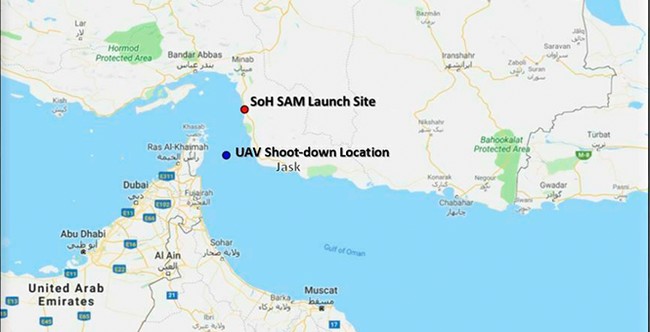
The recent passage of several commercial vessels through the Strait of Hormuz has raised fresh questions about France’s stance at the United Nations and whether Tehran’s control over shipping is cracking. Reports that France opposed a U.N. resolution authorizing force to secure transit, while a French-linked ship reportedly sailed the Iranian-approved northern route, have sparked scrutiny and speculation about secret arrangements. Other vessels linked to Japan and Oman used the southern route, suggesting Iran may not have the strait fully sealed or mined. These developments matter because they affect global oil markets, alliance credibility, and how the West responds to Iranian pressure.
News that three U.N. Security Council members—Russia, China, and France—blocked a Bahrain-sponsored resolution surprised many observers. The resolution would have authorized member states, acting nationally or through voluntary multinational naval partnerships, “to use all necessary means” to secure transit passage and deter interference with navigation through the Strait of Hormuz. Russia and China voting against fit a familiar pattern, but France’s opposition stands out because it is a NATO partner expected to support collective efforts to keep a vital shipping lane open. That contrast has prompted critics to question French priorities and whether Paris is hedging its position toward Tehran.
On the same day the resolution reportedly failed, sources said a French-owned vessel, sailing under a Maltese flag, successfully transited the strait via the northern channel near Qeshm and Larak islands. The coincidence is striking: a country blocks a measure enabling the broadest possible response to threats in the strait, and then a vessel tied to that country uses the Iran-approved, coastal route. Observers are asking if a deal was struck between France and Iran to allow safe passage for select ships in exchange for diplomatic or strategic concessions. That question deserves clear answers from French authorities rather than silence or evasions.
Close to the same time, three other tankers, reported to be linked to Oman and Japan, made the journey along the southern route hugging the coast bound for Oman. Unlike the ship reported on the northern route, these vessels did not take the Iran-approved path next to Qeshm and Larak. The fact that they completed the transit without reported incident suggests that Iran’s control may not be airtight, and that the southern lane might not be heavily mined or blocked. If true, this reduces Tehran’s leverage over energy markets and undermines its ability to choke off commerce at will.
State media in Iran claimed officials were drafting a protocol with Oman to monitor transit and supervise traffic through the strait, framing such measures as safeguards rather than restrictions. One Iranian official was quoted as saying traffic “should be supervised and coordinated” and that requirements would “not mean restrictions, but rather to facilitate and ensure safe passage and provide better services to ships that pass through this route.” Those statements sound benign on the surface but serve Tehran’s broader goal of asserting authority over a strategic chokepoint. Oman has not confirmed any protocol, so diplomatic caution is warranted when accepting Tehran’s narrative at face value.
The broader implication is that multiple outcomes are possible: Iran could be bluffing, attempting to project control while lacking the capacity to enforce a full blockade, or it could be parceling out safe passages selectively to reward friendly states or punish adversaries. Either way, Western capitals need to interpret these movements carefully. If ships are transiting regularly without incident, markets may have reason to breathe easier; if not, even a few transit successes could mask a fragile, deteriorating security picture that still threatens supply chains.
Questions about France’s vote at the U.N. cut to issues of trust and alignment among allies. When a partner balks at collective measures designed to deter and, if necessary, use force to keep international waterways open, allies are right to demand explanations. Transparency matters for coalition cohesion, and secret deals—real or rumored—erode confidence in joint responses. Strong, straightforward answers would restore clarity and help shape coherent policy among democracies that rely on secure maritime commerce.
For now, commercial traffic through the Strait of Hormuz remains well below normal levels, and the situation is fluid. More ships getting through would relieve pressure on energy markets, but uneven patterns of transit and selective diplomatic claims from Tehran complicate the picture. Monitoring the actual flow of vessels, verifying routes, and pressing for clear statements from capitals involved will be essential in the coming days as markets, navies, and diplomats sort out whether Iran’s control is shrinking or merely shifting tactics.
The stakes are high because the strait handles a significant share of global oil shipments, and any perception of closure drives spikes in prices and strategic anxiety. Allies must balance deterrence, diplomacy, and the protection of commercial interests while calling out inconsistent actions that undermine unified responses. Keeping international navigation open is both a practical economic necessity and a test of whether democratic partners will stand together when pressure is applied. The answers will shape how the West manages not only this crisis but future attempts to coerce free passage in vital maritime corridors.

Everybody can earn 250$h+ 1k$ daily… You can earn from 6000-12000 a month or even more if you work as a full time job…It’s easy, just follow instructions on this page, read it carefully from start to finish… It’s a flexible job but a good eaning opportunity.. go to this site home tab for more detail thank you .
open here → → PayAtHome1.Com