
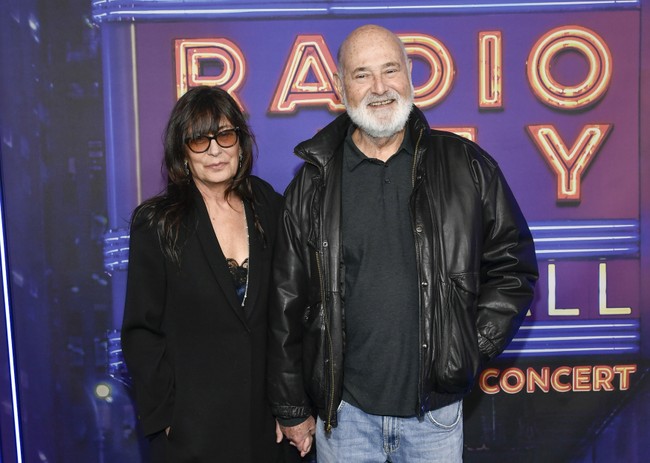
Nick Reiner, son of director Rob Reiner, faced an unexpected turn at his scheduled arraignment when lead defense attorney Alan Jackson abruptly withdrew, saying his firm had “no choice,” and a public defender was appointed as the case moves forward on two counts of first-degree murder tied to the deaths of Rob and Michele Reiner.
‘No Choice’: Defense Attorney for Rob Reiner’s Son Makes Shocking Move Ahead of Trial
The arraignment did not go as planned for the 32-year-old, who had been expected to enter a plea after being charged in December. Instead, Alan Jackson and his team stepped away without offering details, citing an order that limits what they can say. Courtroom reports say Jackson told Judge Theresa McGonigle that his firm had “no choice” but to withdraw.
Nick Reiner met briefly with his former counsel before proceedings began, then remained mostly silent during the hearing. He did not enter a plea and was escorted into the courtroom in a jumpsuit. The judge set a new court date and the defendant confirmed his availability.
When asked about the next appearance, he replied, “Yeah, I agree to that,” and otherwise made no public statements. With Jackson off the case, a public defender was assigned to represent him in a matter that has already attracted intense media attention. The sudden change in counsel leaves many questions about trial strategy and next steps.
Alan Jackson has a record of high-profile criminal defense work and is under restrictions that prevent him from discussing the reasons for his withdrawal. Observers note that such exits can stem from conflicts of interest, ethical concerns, or other legal complications, though none of those specifics were confirmed. Jackson previously represented Karen Read, who was later found not guilty in a separate high-profile case.
The Reiner family released a brief statement through a spokesperson that read, “They have the utmost trust in the legal process and will not comment further on matters related to the legal proceedings,” which emphasized privacy and restraint from public commentary. Family members, including Rob and Michele’s daughter Romy, have already been part of the case narrative because she discovered their bodies. The family’s statement avoided details and reflected their intent to let the system run its course.
Authorities allege both parents were found with stab wounds, and initial reports described injuries consistent with knife attacks. Investigators identified Nick Reiner as a person of interest early in the probe, and the case quickly escalated into formal charges. The tragic circumstances and the high profile of the victims intensified scrutiny from both law enforcement and the media.
Los Angeles County prosecutors have framed the charges as severe, and District Attorney Nathan Hochman warned that the case could carry the harshest penalties. “These charges will be two counts of first-degree murder with a special circumstance of multiple murders,” he said, signaling the possibility of a special circumstances enhancement. Hochman added further detail about the allegations and potential penalties tied to the use of a weapon.
“He also faces a special allegation that he personally used a dangerous and deadly weapon – that being a knife,” he added. ‘These charges carry a maximum sentence of life in prison without the possibility of parole or the death penalty.” With those stakes on the table, prosecutors have indicated they may seek the most serious outcomes available if convicted.
At this stage, Reiner remains in custody without bail and is scheduled to appear again later in the month. The judicial calendar will determine whether the case moves toward indictment, plea bargaining, or trial preparation under the public defender’s guidance. Each step will likely bring fresh court filings, motions, and potentially more attorney changes.
The sudden attorney withdrawal has left legal analysts and observers to speculate on reasons and repercussions, but court rules and confidentiality orders limit what can be publicly disclosed. Defense continuity is often crucial in murder cases, and a midstream change raises questions about witness interviews, evidence review, and trial readiness. For now, procedural questions will unfold as the next hearings approach.
As the criminal process advances, the case will be driven by discovery, prosecutorial decisions, and defense strategy under the new counsel. Public interest remains high, but courtroom proceedings will proceed under rules that prioritize evidence and procedure over commentary. The coming weeks will clarify how the defense reshapes its approach and how prosecutors seek to prove the most serious of charges in state court.
Add comment