
Senator Ruben Gallego of Arizona finds himself in a bit of hot water after sharing some misleading information about an ICE operation that took place at a cannabis farm in California. The buzz started when Gallego, who might have his eyes on a 2028 presidential bid, said the operation targeted immigrant families who have long been picking food for Americans. But here’s the kicker: the farm in question, Glass House Farms in Ventura County, doesn’t grow food; it’s all about marijuana.
This operation was part of a larger initiative under President Trump’s directive, focusing on illegal workers at sites flouting immigration and labor laws. The buzz about these claims gained traction on social media, especially when political commentator Brian Allen posted a video. Allen’s post suggested ICE was arresting farm workers who keep American grocery stores stocked, a narrative that Gallego supported.
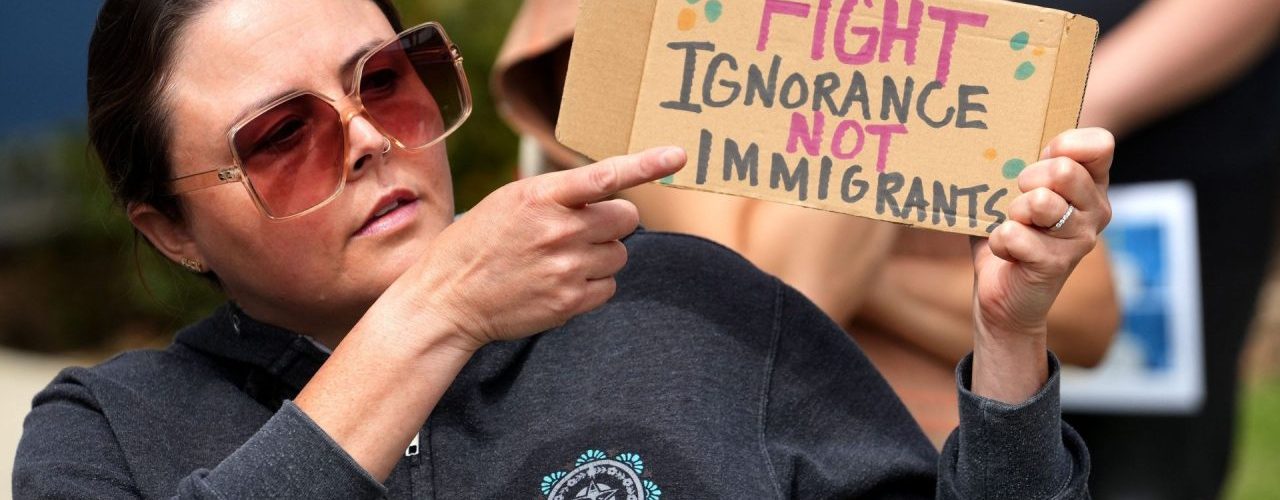
Gallego’s post was direct, accusing Trump of targeting families instead of criminals. There’s been quite a stir and protests because of this narrative, with many people feeling it’s unjust. But federal officials were quick to clarify that the operation wasn’t about food crops but rather illegal activities at a cannabis farm.
Representative Jimmy Gomez of California chimed in too, repeating the claim about the workers being strawberry pickers. He took a jab at Trump, saying the President was either lying or couldn’t tell the difference between criminals and hardworking immigrant farm workers. Gomez’s remarks fueled the debate, painting a picture of innocent workers being unfairly targeted.
Governor Gavin Newsom also got involved, making strong statements against the operation. He painted a vivid picture of chaos, with children running from tear gas and crying over their detained parents. Newsom didn’t hold back, using the moment to criticize Trump directly.
Despite these high-profile comments, federal officials maintain that the operation was focused on the cannabis industry, not food production. They pointed out that the enforcement was aimed at individuals violating federal immigration laws. The officials also noted that the raids were met with resistance from left-wing protesters.
During the raids, there were reports of demonstrators throwing rocks and even firing a weapon at officers. ICE made it clear that their primary goal was to identify and detain illegal workers at the cannabis farm. They assured that all safety protocols were followed during the operation.
The exact number of arrests hasn’t been disclosed, but it’s known that several individuals were taken into custody. Federal prosecutors are now looking into potential charges related to the assaults on officers. This incident has sparked renewed debate about immigration enforcement and labor practices in the cannabis industry.
President Trump has been vocal about enforcing immigration laws and holding employers accountable for hiring undocumented workers. The operation in California is part of a broader strategy to tighten immigration controls. However, it has led to clashes with Democrat-led states like California, which have sanctuary policies and often resist ICE operations.
The debate over immigration enforcement is nothing new, especially in states with large immigrant populations. The Biden administration’s narrative of “essential farm workers” is being scrutinized as more facts about this operation come to light. The situation highlights the ongoing tension between federal and state authorities over immigration policies.
This conflict is emblematic of the larger national debate about how to handle immigration and labor laws. The focus remains on whether enforcement actions are fair and targeted appropriately. As more information becomes available, the conversation about immigration enforcement continues to evolve.
Both sides of the aisle have strong opinions on this issue, with each side accusing the other of misunderstanding or misrepresenting the facts. The complexity of immigration laws and labor practices in industries like cannabis only adds layers to the debate. As the dust settles from this operation, the broader implications for immigration policy remain in focus.
The situation in California is a microcosm of the larger national discussion on immigration. It underscores the challenges of balancing enforcement with compassion for workers in vulnerable positions. With emotions running high, finding common ground continues to be a significant challenge.
This incident is likely to influence future policy discussions and shape the political landscape as the presidential race approaches. The rhetoric from both sides reflects the deeply entrenched positions that define the immigration debate in America today. While the details of this specific operation continue to emerge, the broader conversation about immigration and labor practices remains as contentious as ever.
Add comment