
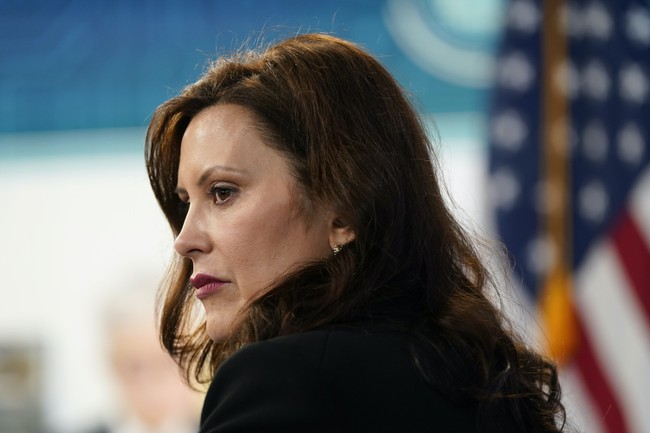
The article examines Michigan Governor Gretchen Whitmer’s public statements about not pursuing a 2028 presidential bid, the limits imposed by term rules, and the political and economic context in Michigan that shapes the conversation about her future role.
It’s getting colder in Michigan and the political chatter is heating up even as Governor Gretchen Whitmer moves through the last stretch of her second term. She cannot run for a third term as governor because of term limits, and that practical reality colors any speculation about a presidential run. Whitmer’s name keeps surfacing in discussions about potential Democratic candidates for 2028, but her own comments have been carefully noncommittal. For Republicans watching, that caution looks less like strategy and more like avoidance of a crowded field and a fraught party base.
Local reporting picked up by national outlets has stressed that Whitmer says she is focused on finishing her job in Lansing rather than plotting a White House bid. The constitutional and political mechanics matter here: term limits bar another gubernatorial campaign, but they do not bar a presidential run so long as other eligibility rules are met. That means speculation will grow as she nears the end of her governorship on January 1, 2027, when she will be free from state office constraints and free to make a choice.
Whitmer is in the last two years of her second term as governor and she cannot run again because of term limits. While she is seen by many as a potential candidate, she said she is focused on her current work as governor.
People toss around names and scenarios, often forgetting smaller but relevant details about eligibility and optics. One comparison that pops up is to Jennifer Granholm, Whitmer’s predecessor, who was born in Canada and therefore raised questions about natural-born citizenship for the presidency. The Constitution sets that eligibility standard clearly, and such technicalities can kill a campaign before it starts. In the current climate, Democrats will want a candidate who can energize the base without opening procedural or legal vulnerabilities.
Whitmer herself has been measured in public remarks, saying she isn’t sure she wants to be the “main character” in the next national chapter while insisting she can help shape it. That line sounds like someone who enjoys influence but wants to avoid the scrutiny and infighting that come with being a presidential front-runner. For Republicans, her comment underlines the reality that many Democrats prefer to test the waters publicly without committing, leaving the field messy and unpredictable.
“I don’t know if I need to be the main character in the next chapter, but I want to have a hand in writing it,” she said. “And I think I’ve got an important vantage point as the governor of an important swing state.”
Beyond ambition and eligibility, the economic situation in Michigan is a major factor shaping Whitmer’s remaining time in office and any future ambitions. The state’s economy remains tightly tied to the auto sector, and disruptions there ripple through housing, groceries, and retirement accounts. Recent layoffs at major manufacturers have raised legitimate local concerns, even as national economic figures look better on paper. That fragility makes any statewide political calculations more urgent for anyone with higher ambitions.
Whitmer warned publicly about the manufacturing sector and its downstream effects, arguing that repeated cross-border shipments and tariff issues are hurting consumers and savers. Those remarks are notable because they show a governor trying to address concrete regional pain points rather than national ideological fights. For voters in Michigan, tangible economic outcomes will likely matter more than campaign rhetoric when deciding who should lead the state after her term ends.
Whitmer also had a grim warning for Michigan’s economy, which is deeply connected to the auto sector. Parts are often shipped across the border between Canada and the U.S. multiple times in the manufacturing process, resulting in multiple tariff payments. Whitmer said the ripple effects are being felt by consumers in mortgage payments, grocery bills and retirement savings.
“This really is a dire moment in manufacturing,” she said.
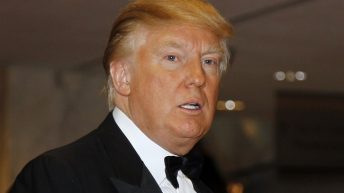
Whitmer had other points to pick with Trump. She rejected Trump’s recent claims that violence comes from left-leaning politics, drawing on her own experience with political violence. She suggested that Trump may seek an unconstitutional third term but believes the law will stop him. And while vague, she spoke in support of the freedom to disagree peacefully.
Republican readers will note the political undertow here: Whitmer criticizes former President Trump while also courting attention as a leader from a swing state. That approach risks alienating the leftward edge of her party while leaving moderates unconvinced, which explains some of her hedging. If Michigan voters want a turnaround for the state economy, many argue the solution will be a pro-business governor in Lansing after January 2027, someone who prioritizes job growth and regulatory relief. The question Whitmer leaves open is whether she wants to be a national player or a finishing governor focused on local recovery.
Her current posture—an emphasis on governing now, an ambiguous stance on a presidential run, and pointed commentary on Michigan’s economic pain—keeps options available without forcing a decision. For Republican strategists and voters, that stance provides a predictable line of attack: highlight economic troubles, question national ambitions, and argue for leadership that puts business and jobs first. In the meantime, the talk will continue until she either steps into the ring or walks away for good.

Witch Whitmer absolutely loved enforcing the bogus Mandates like a true dictator and evil minion of Satan! She needs an orange jumpsuit!