
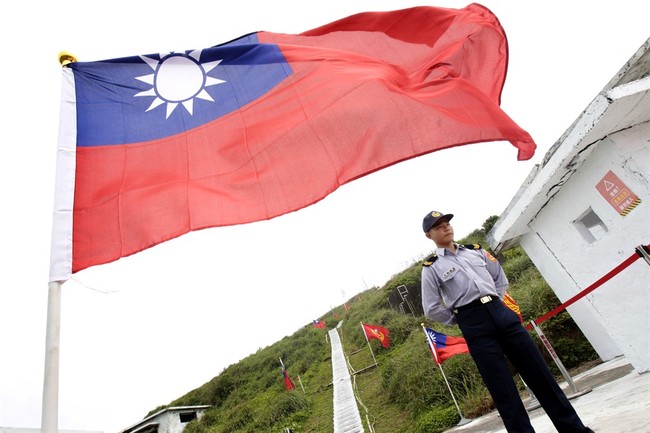
This article examines how Taiwan’s new Kuomintang leader, Cheng Li-wun, could reshape Taipei’s defense priorities and relations with Washington, outlining her stances on cross-strait ties, military spending, and geopolitical alignments, and why those positions matter for U.S. policy and regional security.
Recent weeks have underlined the Trump administration’s continued engagement with Taiwan, with public remarks and diplomatic interactions signaling support for the self-governed island, including President Trump’s “” remark and other pointed warnings about the costs of any attempt to take Taiwan. Visits and conversations between U.S. and Taiwanese officials at international meetings have also reinforced that message, even as mainstream outlets suggest otherwise. Against this backdrop, the rise of a China-friendly opposition leader in Taipei adds a new variable Washington must assess carefully.
Cheng Li-wun was elected to head the Kuomintang in October and sworn in November, and the KMT chair has real power over party strategy, resources, and candidate selection. The party remains influential in the Legislative Yuan after retaining a majority in recent votes and forming coalitions with allied lawmakers. That position lets the chair shape Taiwan’s political center of gravity, and Cheng’s preferences for closer ties with Beijing are already raising eyebrows in Washington.
Cheng has signaled a willingness to meet Xi Jinping in the name of “peace and cooperation,” framing such outreach as a pathway to stability even while Beijing’s strategic aim includes weakening or absorbing Taiwan. She recently asserted that “Beijing does not want to turn Taiwan into the next Hong Kong,” a line that worries critics who point to Beijing’s long-term objectives. The enthusiasm for engagement is welcomed by Beijing and has reportedly drawn praise from Chinese state media.
Her worldview extends beyond Beijing. Cheng has publicly disputed characterizations of Vladimir Putin as a dictator, calling him a democratically elected leader and placing blame for the Ukraine war on NATO. That stance aligns with narratives Moscow and Beijing promote to sow division within the West, narratives that contrast with U.S. efforts to build allied pressure to end the conflict. Such statements complicate Taipei’s posture as a democratic partner aligned with Western security priorities.
Beijing’s apparent interest in the KMT chair race, including allegations of interference that aided Cheng over more moderate candidates, adds another layer of concern. The perception of outside meddling, whether overt or covert, undermines confidence in domestic processes and feeds skepticism in Washington about how independently Taiwan’s political debates are unfolding. If Beijing’s influence shaped outcomes, U.S. policymakers will view the KMT’s agenda through a different lens.
A central flashpoint is defense spending. President Lai Ching-te proposed raising Taiwan’s defense budget to 3.32 percent of GDP in 2026 and aiming toward five percent by 2030, moves that would signal serious commitment to deterrence and likely please U.S. defense planners. Cheng opposes significant increases, calling such hikes “unreasonable” and “unaffordable,” and warning that a bigger military budget could spark an “endlessly escalating arms race.” Those words reflect a preference for appeasement strategies that critics say ignore Beijing’s rapid military buildup and aggressive exercises near the island.
Cheng’s opposition to higher defense outlays contrasts with earlier KMT leadership under Eric Chu, who committed to raising defense spending above three percent to reassure Washington. The shift suggests the party under Cheng may not align with the broader international push for burden-sharing and stronger partner militaries. If the KMT leverages its parliamentary position to block Lai’s proposal, the practical result would be a weaker defensive posture for Taiwan at a critical moment.
U.S. officials have reportedly pressed Taiwan’s opposition on defense matters, and an unconfirmed report suggests Washington has already applied pressure regarding Taipei’s budget plans. If true, that engagement is a positive sign for those who see closer U.S.-Taiwan coordination as essential. If not, the administration and members of Congress will likely have to step up efforts to clarify expectations and consequences if Taipei’s legislature undermines deterrence.
Should the KMT block meaningful defense enhancements, the strategic implications would extend beyond Taiwan’s shores, weakening a cornerstone of regional deterrence and testing Washington’s willingness to respond to partners that fall short on burden-sharing. The Trump administration’s emphasis on allies doing more for their own defense would collide with a Taiwanese opposition that prefers restraint and accommodation. That clash could force tough decisions about how to incentivize Taipei to prioritize security.
In practice, Washington must differentiate among Taiwan’s political actors and press those who would erode military readiness to change course, while continuing to support Taipei’s democratic institutions. If Cheng and her party move to obstruct defense measures, the U.S. may consider a range of diplomatic and political responses to uphold shared security interests. The stakes are clear: Taiwan’s choices on defense and diplomacy will have real consequences for U.S. policy and regional stability.
Add comment