
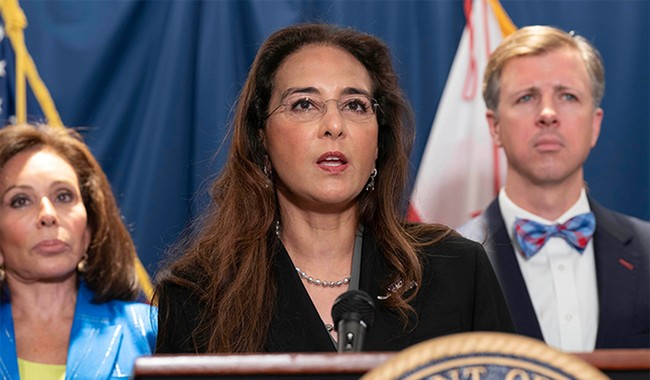
The Justice Department under the Trump administration released a stark report finding systemic sexual abuse and harassment by prison staff at multiple California women’s facilities, detailing failures in oversight, reporting, and accountability while warning the state it could face litigation if it does not act within 49 days.
The report focuses on conditions at the California Department of Corrections and Rehabilitation and two women’s prisons, alleging repeated staff misconduct and institutional indifference. Republican leaders in the DOJ framed the findings as a constitutional crisis for female inmates and a failure of state officials to protect people in their custody. The Civil Rights Division laid out specific steps California must take to address these violations and comply with federal law. The clock is running on whether the state will cooperate or face court action under CRIPA.
The investigation uncovered a pattern of sustained sexual misconduct by staff, inadequate safeguards, and broken reporting systems that allowed abuse to persist. Officials said the state repeatedly failed to implement protections required by the Prison Rape Elimination Act. That failure, the DOJ concluded, amounts to violations of the Eighth and Fourteenth Amendments protecting prisoners from cruel and unusual punishment and deprivation of rights. From a Republican perspective, this is about enforcing the rule of law and accountability where state systems collapse.
https://x.com/AAGDhillon/status/2087922884773580821
Assistant Attorney General Harmeet Dhillon summarized the core finding bluntly and demanded corrective action, emphasizing constitutional rights for incarcerated women. The report lists practical directives the state must follow, including expanded camera coverage, confidential reporting improvements, and strengthened investigative protocols. These steps are clear, measurable, and aimed at restoring basic protections that every person—regardless of status—should have behind bars. The Justice Department is signaling it will not overlook systemic abuse simply because it takes place inside state institutions.
One line in the DOJ’s announcement encapsulates the problem: institutional practices and omissions created an environment in which staff sexual misconduct continued unchecked. Investigators documented failures in confidential reporting and improper investigative practices that discouraged victims from coming forward. The state’s own employees, the report says, allowed conditions that effectively silenced survivors. Republicans argue this is precisely why federal oversight exists when states fail to meet constitutional obligations.
The DOJ spelled out targeted changes it expects to see implemented, including enhanced staff training and monitoring and PREA‑compliant safeguards. Those reforms are straightforward and aimed at preventing future abuse while fixing current procedural defects. If California acts, the state can avoid costly litigation and, more importantly, stop ongoing harm to prisoners. If it does not, the federal government has the statutory tools to force compliance under CRIPA, and Republicans have been clear they will use them.
First Assistant U.S. Attorney Bill Essayli described the facts the investigation uncovered as “unacceptable” and demanded the state confront its own failures. His statement called on California to accept responsibility for employees who failed to prevent and address sexual abuse. That kind of accountability is a basic government responsibility, not a partisan talking point. From this viewpoint, holding officials accountable protects victims and restores public trust in institutions meant to keep people safe.
The DOJ’s findings also highlight the operational breakdowns—from inadequate camera coverage to weak confidentiality in reporting—that enabled abuse to continue. Correcting those failures requires management changes and honest acknowledgment of systemic problems. Republicans often stress that reforms should be precise and enforceable, not mere promises. The DOJ’s proposed directives match that approach: specific remedies tied to measurable outcomes.
There is a legal timeline attached to these demands: the state was given 49 days to respond with satisfactory corrective steps or face litigation. That deadline makes clear the federal government expects more than lip service. If California ignores the demand, CRIPA provides the path to court enforcement. For Republicans, enforcing federal civil rights statutes in this context is about ensuring government at any level lives up to its fundamental duties.
Harmeet Dhillon did not soften the message in her public remarks, stressing the constitutional right of female prisoners to be free from sexual assault and harassment by prison staff. She stated, “The Department of Justice’s investigation revealed that California’s Department of Corrections and Rehabilitation knew of repeated incidents of sexual assault and harassment against female prisoners, and failed to protect them.” Those exact words underscore federal resolve to protect vulnerable populations. The phrase is preserved here without alteration to maintain the DOJ’s clear charge.
Dhillon added, “This deliberate indifference to the suffering of female prisoners at the hands of prison staff is illegal,” and pledged the Civil Rights Division and U.S. Attorneys’ Offices would end the abuse. That promise frames the Justice Department’s next steps and puts the onus on state leaders to cooperate. From a Republican lens, action now will show whether state officials prioritize accountability over political posture.
The coming weeks will test California’s willingness to accept federal oversight and implement the required reforms. If the state moves quickly and transparently, it can correct systemic failures and protect those in its care. If it stalls, Republicans in the DOJ have signaled they will not hesitate to enforce the law in court. Either way, the report lays out a clear path forward and demands that state officials do what they have a legal and moral duty to do.


Home-based job that pays more than 12,000 Dollar per month by doing simple tasks on a laptop or mobile device part-time. Last month, I earned 24,863 Dollar from this job by working 4 hours per day online. Very simple jobs to do, and the earnings are insane. Everyone can now make more money online by joining the website listed below…..
𝒋𝒖𝒔𝒕 𝒖𝒔𝒊𝒏𝒈 𝒕𝒉𝒊𝒔 𝒔𝒊𝒕𝒆.. Www.PayAtHome1.Com