
This piece looks at a growing trend: younger Democratic challengers, many tied to Democratic Socialist politics, are knocking off longstanding incumbents in primaries while many older Republicans keep their seats, and it explores what that shift could mean for both parties heading into the 2026 midterms.
For decades Washington has often resembled a retirement community where officeholders linger far beyond what most voters would expect. The pattern used to be election, a few terms, then a handoff to fresh faces, but that routine has broken down, especially on the left. Suddenly, a string of primary upsets is forcing aging Democrats out faster than many anticipated.
https://x.com/weartv/status/2087994310415266229
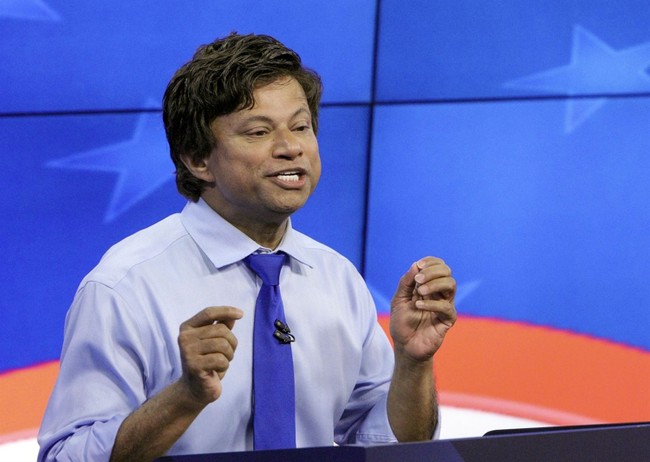
Across multiple primaries this cycle younger Democratic candidates have won against entrenched incumbents. Democratic Rep. Diana DeGette, 69, lost to 29-year-old Milat Kiros, and Shri Thanedar, 71, was defeated by 34-year-old Donovan McKinney. John Larson, 78, also lost his seat to a challenger, and only one of those victors — Luke Bronin, 47 — is not a member of the Democratic Socialists of America. Those outcomes show a clear appetite within parts of the Democratic electorate for generational change.
That appetite is not just among college students and activists. White, college-educated, higher-income voters in dense urban areas are also supporting younger challengers. Organizers and groups focused on recruiting new candidates have been vocal about replacing the old guard with leaders who can promise more aggressive change. The pressure to deliver on issues like student debt and economic frustration appears to be shaping primary results in real time.
By contrast, many Republican incumbents have fended off younger rivals in their primaries and remain firmly in place. Long-serving GOP members such as a 79-year-old representative from Kentucky and others in Alabama sailed to primary victories against multiple challengers. The GOP did see a few fresh faces win in some races, including a 26-year-old in Wisconsin, but the overall pace of generational turnover on the Republican side is slower.
Why the difference? One factor looks to be an organized and energized left-leaning base that includes Democratic Socialists who are intent on remaking party leadership. They argue older Democrats have promised bold reforms for years and failed to follow through, so younger, more ideologically driven candidates are stepping in to push a sharper agenda. Influencers who promote socialist-leaning ideas have amplified that energy among younger voters.
Another element is optics: voters who feel the party’s leaders do not represent their lived experience are choosing challengers who reflect a different generation. That sentiment crosses demographics and is not limited to the most progressive corners of the party. When candidates can credibly say they will fight for structural change, it gives them an edge over incumbents associated with incrementalism and stale promises.
The GOP’s slower turnover creates strategic risks. If Republican leaders do not offer a clear generational pathway or a refreshed message that appeals to younger voters, they could face a widening talent gap in coming cycles. Aging figures who retain their seats do hold institutional memory and influence, but they also create openings for opponents to argue the party is out of touch with younger Americans.
Electability questions make this a high-stakes calculation for both parties as the 2026 midterms approach. Democrats who replace older incumbents with younger, more activist candidates may energize the base but also risk alienating moderate swing voters in some districts. Republicans who rely on long-time officeholders could maintain short-term stability but miss the chance to cultivate a new bench of leaders who can connect with changing voter priorities.
What’s clear is that generational change has momentum, and its direction will reshape Washington if it continues. The next year will reveal whether the Democratic wave of youthful primary wins is a durable realignment or a temporary corrective driven by unique local dynamics. Either way, both parties are being reminded that voters expect turnover and responsiveness, not indefinite tenure.


Home-based job that pays more than 12,000 Dollar per month by doing simple tasks on a laptop or mobile device part-time. Last month, I earned 24,863 Dollar from this job by working 4 hours per day online. Very simple jobs to do, and the earnings are insane. Everyone can now make more money online by joining the website listed below…..
𝒋𝒖𝒔𝒕 𝒖𝒔𝒊𝒏𝒈 𝒕𝒉𝒊𝒔 𝒔𝒊𝒕𝒆.. Www.PayAtHome1.Com