
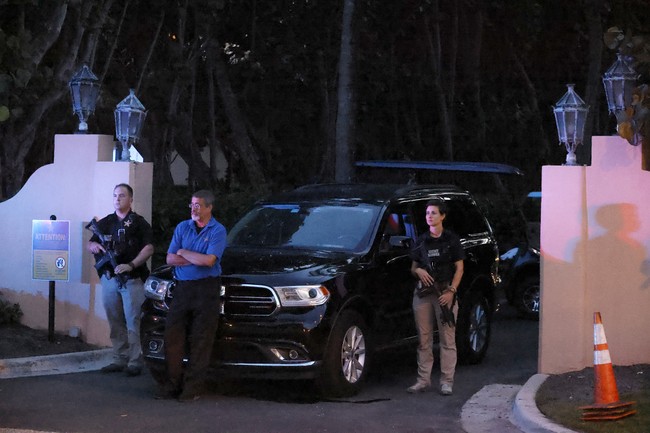
The Mar-a-Lago search in August 2022 triggered immediate doubt inside the Justice Department, and newly surfaced emails show a top DOJ lawyer raised specific legal and ethical questions about that raid just days after it happened.
Top DOJ Lawyer’s Email Reveals Even Garland’s Inner Circle Knew Mar-a-Lago Raid Was Rotten to the Core
The moment the FBI swept Mar-a-Lago with a huge show of force, critics argued it looked excessive and politically motivated. Inside the DOJ, however, there were also clear voices uneasy about both the legal basis and the optics of the operation.
Documents and emails uncovered during later reviews show Patty Stemler, a long-serving DOJ official associated with national security review, flagged the matter immediately. Her message, sent two days after the raid, laid out doubts about whether the president’s declassification authority had been considered and whether established legal procedures applied.
“I didn’t know about this search in advance, but I have been worrying about it ever since and worrying more now,” Stemler wrote to Brill on Aug. 10, 2022. “Doesn’t Trump maintain that he had the authority to declassify documents while he was still President?
“Has anyone in NSD or OLC [Office of Legal Counsel] looked at that? I know we have procedures for declassifying, but is the President as Commander in Chief bound by those procedures? We also have procedures for granting pardons, but the President doesn’t have to follow them,” she added.
Those words matter because they came from someone inside the system trusted to worry about classified information and the limits of authority. Stemler was asking whether the same rules apply to a president exercising his constitutional powers, and that question goes to the heart of whether the search was legally defensible.
Beyond the declassification question, the email shows staff worried about prosecutorial ethics and the impact of public disclosure prior to any indictment. Stemler explicitly worried about how announcing seized classified material might affect fair trial rights or the ethical duties of prosecutors charged with keeping the process impartial.
“I don’t know if we intend to charge anyone with respect to the classified documents seized yesterday, but if we disclose that we found X classified documents before we seek an indictment, will that trench on any fair trial rights or violate the ethical obligations of a prosecutor?” she wrote.
That concern about public disclosure is striking when paired with the massive raid itself: an operation with dozens of armed agents that immediately became fodder for media spectacle. If senior DOJ officials were worried internally about legal and ethical consequences, it raises the obvious question of why leadership would still authorize a high-profile execution that risked prejudicing perceptions.
FBI agents also flagged probable cause doubts at the time, and now emails from inside DOJ confirm that unease extended into the department’s senior ranks. The combination of inside skepticism and a public, forceful operation feeds a narrative that politics, not clean probable cause, drove choices that day.
From a Republican viewpoint, the sequence underlines a dangerous politicization of federal law enforcement under the current administration: aggressive steps taken against a political rival even as career lawyers and investigators questioned the legal footing. Those internal objections were real and recorded, yet the operation proceeded, leaving long-term damage to trust in impartial justice.
The documents and the language used in the emails matter because they show the people who know the law best were not confident the raid met legal norms. That internal doubt, combined with the dramatic nature of the raid and subsequent public fallout, cements why many conservatives see the event as emblematic of a weaponized justice system rather than a routine law enforcement action.

Add comment