
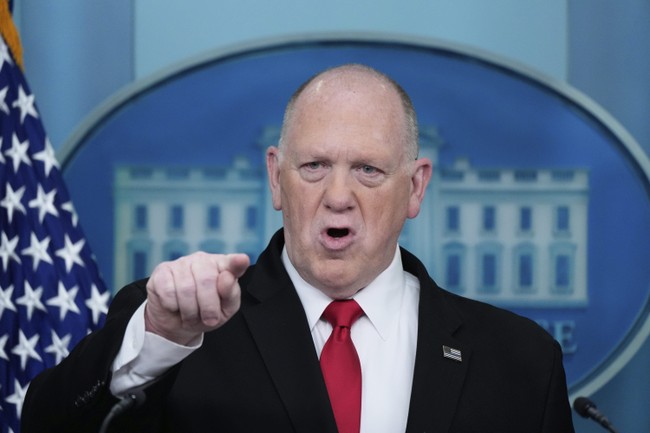
Tom Homan addressed a packed Turning Point USA event at the University of Texas at El Paso and handled a heckler with blunt, unapologetic talk about border enforcement, agent safety, and law and order. His remarks stressed that enforcement is about protecting lives, not targeting people, and he pushed back hard when interrupted. The exchange touched on the political debate over immigration enforcement and accusations aimed at conservatives, with Homan defending both officers and the policy outcomes credited to recent leadership. What follows recounts the moment, the confrontation, and the broader point Homan made about securing the border.
The event drew a full house and focused on immigration enforcement and the responsibility of federal agents. Homan emphasized he does not want anyone hurt during operations, highlighting concern for both officers and those crossing the border. He framed enforcement as a duty carried out with an eye toward safety and order, not as a vendetta or ideological crusade. That stance set the stage for the interruption that followed.
During his remarks Homan spoke directly about the human stakes involved in border work, insisting that safety matters for everyone involved. He made it clear that agents’ welfare is a priority, and that preventing deaths or injury is part of practical enforcement. That sentiment earned him an interruption from a heckler who tried to frame his position as hateful. Homan did not back down and responded sharply to the accusation.
“Every night I go to bed, I pray for the safety and security of every Border Patrol and ICE agent,” Homan said. He repeated the point that enforcement is about protecting lives, a message meant to counter the narrative that law enforcement is inherently malicious. The line underlined his personal commitment to the people doing difficult, dangerous work on the front lines of immigration control. It also primed his reaction when someone tried to paint him as a villain.
“And I pray for everybody that we’re looking for. I don’t want anybody hurt, I don’t want anyone to die, that includes officers and that includes aliens. And that’s a stone-cold fact. Call me what you want, I don’t care.”
The heckler called Homan a “racist” and a “traitor,” trying to turn the conversation toward identity and motive rather than policy and outcomes. Homan answered bluntly, challenging the critic to step into the difficult reality of enforcement work. “Why don’t you grow a backbone, put a Kevlar vest and a gun on your hip, and go secure this border?” he said, laying responsibility where it belongs and exposing the gap between rhetoric and risk.
That clapback underscored a broader theme: enforcement requires people willing to act under dangerous conditions, not just commentary from the sidelines. Homan and his allies argue that recent changes in administration and policy have already improved border security, a concrete outcome he pointed to as evidence of success. From this perspective, criticizing agents while ignoring the hard work they do is unfair and counterproductive to public safety.
The crowd reaction made clear where sentiment at the event stood, with support for agents and recognition of the stakes involved. Opponents on the left, Homan suggested, have demonized ICE and Border Patrol in ways that expose agents to hostility and even violence. That accusation shifts the debate from policy specifics to the tone of public discourse, and Homan framed his comments as a response to that escalating rhetoric.
During the exchange the heckler tried to reference the 2019 El Paso shooting as a way to tar conservatives, asserting a link between conservative ideas and violence. Homan pushed back immediately and rejected any suggestion that conservative belief equals encouragement of violent acts. He clarified that open borders created real problems that required action and that describing enforcement as an endorsement of violence is false and inflammatory.
The event served as a snapshot of how immigration debates play out in public settings: direct appeals to safety and enforcement meet emotional accusations and attempts to define motives. Homan’s tone was blunt and uncompromising, reflecting a Republican view that prioritizes border control and agent safety. His message was simple: enforcing the law saves lives, and those doing the work deserve support rather than vilification.

Add comment