

The unexpectedly strong 4.3 percent GDP growth in the third quarter ripped the covers off the left’s “economic malaise” storyline and shifted the debate toward concrete results: faster growth, rising consumer spending, and political implications for how voters judge economic competence. This piece lays out what the numbers show, what they do not erase, and how leaders on the right are framing the surprise expansion as vindication of policy choices rather than lucky timing.
<pEconomies move unevenly, and that is exactly what happened in the third quarter, with growth accelerating to 4.3 percent on an inflation-adjusted annual basis. The Commerce Department’s delayed report — slowed by what was called the Schumer Shutdown — covers July through September and caught plenty of economists off guard. Many forecasts expected slower expansion, yet consumers stepped up and businesses shipped goods and services that pushed the headline higher than anticipated.
The drivers behind this burst of activity were plain to see: household spending on services, health care, and durable goods rose, and there was a notable pickup in net exports as imports and trade deficits fell. That combination translated into a GDP beat versus the Wall Street consensus, which had priced in a more modest pace of growth. When consumers spend and investment rises, GDP follows, and that is what unfolded in Q3.
Not every metric flashed green. Unemployment ticked up to 4.6 percent in November, a level not seen in four years, and inflation remains above the Fed’s ideal at roughly 2.9 percent. Those numbers matter; higher unemployment can cool consumption and persistent inflation pressures can pinch real incomes. Still, the main point from the quarter is that the economy grew at a pace well above what many thought was likely.
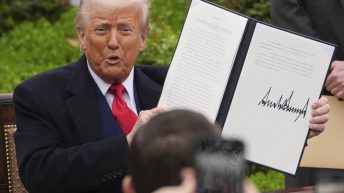
On the political front, the administration seized the moment to claim policy success, leaning on both tax changes and tariffs as catalysts for stronger investment and trade outcomes. President Trump said the results “BLOWING PAST expectations” proved his economic approach was working, and he credited “Good Government, and TARIFFS” for the progress. That is a tight, unapologetic framing: take credit for growth and argue policy choices produced measurable gains.
“Q3 GDP came in at 4.3%, BLOWING PAST expectations of 3.2%. 60 of 61 Bloomberg Economists got it WRONG, but “TRUMP,” and some other Geniuses, got it right. The SUCCESS is due to Good Government, and TARIFFS. Consumer spending is STRONG, Net Exports are WAY UP, Imports and Trade Deficits are WAY DOWN, and there is NO INFLATION!”
Beyond the presidential claim, the administration pointed to specific trends such as lower gasoline prices in many states and modest real income gains as tangible improvements people can feel in day-to-day life. Those elements feed the affordability argument that has been central in political messaging lately. When voters see prices cooling at the pump and paychecks stretching further, it creates momentum that polls can capture quickly.
“Because of my Tax Bill (THE GREAT BIG BEAUTIFUL BILL) and TARIFFS, INVESTMENT IS SETTING RECORDS. The Trump Economic Golden Age is FULL steam ahead — “You haven’t seen anything yet!” Thank you for your attention to this matter. MAKE AMERICA GREAT AGAIN!”
Of course, skeptics will note that a single quarter of strong GDP does not erase lingering problems or guarantee continued momentum. Structural challenges like supply chain fragility, labor market mismatches, and global pressures still exist, and policymakers must remain vigilant. The Fed’s inflation target and the labor market trajectory will be key to whether this growth translates into durable gains rather than a short-term pop.
Political opponents are also recalibrating their narratives because the raw headline undermines a simple story of an economy in decline under current leadership. If growth continues or stabilizes at higher levels, it forces Democrats to shift the spotlight back to targeted concerns like affordability for specific groups, rather than a broad-brush case of national economic malaise. That strategic squeeze is already visible in how messages on both sides are changing.
Practical politics aside, the new GDP figures matter for investors, businesses, and households because they influence confidence and decision-making. Firms that see stronger demand may accelerate hiring and investment while consumers may feel more comfortable spending. Yet the economy’s next chapters will hinge on whether real wages keep pace with prices and whether unemployment stabilizes or drifts higher.
In short, Q3’s unexpected 4.3 percent surge complicates the left’s narrative and gives the right a clear talking point about policy success, while simultaneously reminding everyone that headline growth coexists with other indicators that require attention. The data are messy, the politics immediate, and the coming quarters will tell whether this was the start of sustained momentum or an isolated burst of activity.

Add comment