
This piece argues that while Americans loudly praise troops in slogans, actual support falters when it matters; a wealthy donor stepping in to fund military pay during a prolonged shutdown revealed partisan double standards, hypocrisy about private funding, and the thinness of public gratitude for service members who sacrifice for policies many voters never question.
The current government shutdown has stretched longer than many past lapses and left uniformed personnel working without guaranteed pay, while many civilian roles stayed furloughed. Some defense funds were reallocated and a private donor offered to cover military pay temporarily, a move that sparked outsize outrage from political opponents. The Religious Liberty Commission’s work has been classified as , so it has been paused. Still, the Department of War and the mission readiness of our forces are treated as essential, even when the politics behind funding are ugly.
https://x.com/RealChapAmerica/status/1981454473319858447
My two decades in uniform taught me how shutdowns ripple through military communities, where banks and lenders sometimes step up to prevent immediate crises. This shutdown, driven in large part by congressional Democrats insisting on policies that expand healthcare for those here illegally, became a political weapon instead of a problem to fix. Democrats in the Senate voted down a bill that would have ensured military personnel are paid during the shutdown, and that partisan choice made the sacrifice personal for service members who already shoulder the burden of missions few outside Beltway circles debate.
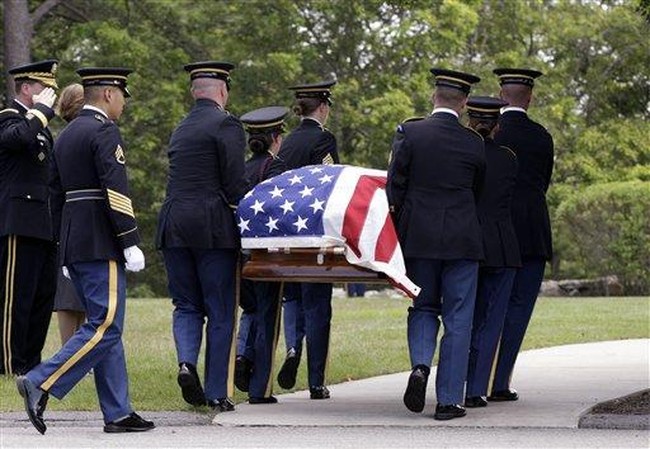
The private donor who covered paychecks did something practical under difficult circumstances, and yet the reaction from critics obsessed with any tie to the current administration was predictably vicious. The New York Times the donation a “potential violation of federal law.” Commenters accused the donor of trying to buy influence over the military, while ignoring far more routine private funding of government activities. That selective moral panic underscored the point that “They love soldiers the most when we’re dead.”
We cheer troops at ball games and pat a veteran on the back with the familiar line “Thanks for your service,” but many Americans would rather not see their kids choose the profession. Career soldiers who serve 20 years face a reality few civilians understand: they carry burdens from conflicts Congress never clearly authorized and then must compete for scarce jobs after their service. Casual compliments at networking events and interviews often mask a deeper social preference for other career paths, leaving long-serving veterans economically vulnerable during political standoffs.
Hypocrisy showed up when critics denounced a private citizen helping troops while staying silent about an industry group paying for senior officers’ travel to the Association of the U.S. Army annual meeting. That event is a massive showcase of hardware and influence, and private funding covered attendance costs when travel rules tightened during the shutdown. Yet outrage flared only when a donation directly eased soldiers’ immediate financial pain. The inconsistency reveals political bias more than principled concern.
If one believes private gifts to reduce hardship for service members are suspect, the same standard must apply to private organizations underwriting official travel and museum programs that otherwise lack congressional funding. Instead, many apply a partisan filter: private help to troops is suspect if it might be politically useful to opponents, but private help to industry-aligned events is business as usual. That double standard robs the discussion of any moral clarity.
The richer pay more in taxes already, but beyond taxation some wealthy Americans still step forward to solve problems the government creates or neglects. When a private individual chooses to put money where it matters to families with a service member on the line, it deserves measured respect rather than performative outrage. Had the donor chosen to support other federal functions, the chorus of critics might have been notably quieter.
Service members endure the costs of ambiguous missions and bear the loss when politics results in unpaid paychecks; they “are good enough to fight your wars, bury their friends, and carry the silence of it all for the rest of their lives,” but [my words now] not get paid by the generosity of an American who is more concerned for their plight than Senate Democrats. That painful reality should sharpen our public expectations for Congress to do its basic job: fund the military reliably, without turning checks into bargaining chips.
Rather than weaponize military families for political theater, elected leaders should treat troops the way the country says it does—by ensuring pay and benefits are uninterrupted. Practical acts of generosity matter, but they are a poor substitute for steady, accountable government action that treats those who serve with the consistent respect and security they deserve. The public can cheer on Veterans Day, but real patriotism shows up when leaders prevent unpaid families from worrying whether the next payday will come.


Add comment