
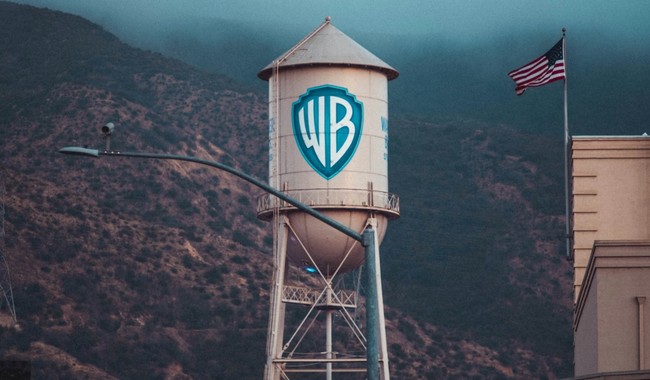
The streaming and studio takeover battle around Warner Bros. Discovery has shifted dramatically: Netflix has stepped away from the bidding, leaving Paramount Skydance — led by David Ellison and backed by Larry Ellison — in a strong position to complete a massive acquisition of one of Hollywood’s most valuable libraries and production arms.
The fight over Warner Bros. Discovery has been a months-long chess match with high stakes for media, politics, and corporate strategy. Buyers were bidding not just for a studio name but for decades of content, channels, and streaming value that reshape who controls what viewers see. Paramount Skydance emerged aggressive and willing to push the price and the narrative, while Netflix paused where the math stopped making sense.
Netflix once looked like the frontrunner, but insiders say the numbers got too steep and the regulatory path too uncertain for the streaming giant to justify matching Paramount’s push. The company framed its choice as a disciplined financial decision, unwilling to overpay even for a prize like Warner Bros. Discovery. That retreat instantly changes the likely buyer and shifts the focus to how a new owner would reorient the studio’s direction and politics.
Netflix Inc. dropped out of the fight to buy Warner Bros. Discovery Inc., clearing the way for rival bidder Paramount Skydance Corp. to clinch its $111 billion deal for the historic Hollywood studio.
“The transaction we negotiated would have created shareholder value with a clear path to regulatory approval,” Netflix said Thursday in a statement. “However, we’ve always been disciplined, and at the price required to match Paramount Skydance’s latest offer, the deal is no longer financially attractive, so we are declining to match the Paramount Skydance bid.”
Paramount’s bid is more than a check; it’s a strategy to fold Warner’s linear assets, cable channels, and streaming library into a single, reoriented package. That package includes CNN and other legacy outlets that have major cultural influence. For conservatives who want a change in media direction, the Ellisons represent an appealing alternative to the current left-leaning management of many outlets.
Political context matters here because government review will be central to any deal’s success, and the Department of Justice is the gatekeeper. A sale of this scale needs antitrust approval and signoff from regulators who now answer to an administration with a different outlook on media consolidation than the prior one. That makes the transaction as much about Washington strategy as about Hollywood accounting.
Some of the commentary around the bidding war has been blunt, and the cultural stakes get named outright. Critics of Netflix point to its content decisions and high-profile deals as evidence that the company’s priorities go beyond profit. One critic put it this way: “This is the part where they have the lesbian kiss that has nothing to do with the story.” And I’m usually right.
Netflix’s history of high-cost content partnerships and marquee deals has drawn scrutiny from both sides of the aisle, but its retreat here was framed purely as a numbers call. The reported deal terms being discussed are enormous — figures that reshape balance sheets and shareholder expectations. When an offer crosses into that territory, bidders recalibrate or step back.
Paramount Skydance’s approach has been notably bold, including terms that would impose a steep regulatory termination fee linked to prior arrangements. Those mechanics signal both confidence and a willingness to play hardball, which is exactly the posture needed in a hostile push for an empire like Warner Bros. Discovery. The offer wraps cash per share with clauses designed to force a decision.
Paramount’s hostile bid, which seeks to purchase the entire Warner Bros. Discovery portfolio including its linear television assets like CNN and TNT Sports, comes with a purchase price of $31 per share in cash, as well as a $7 billion regulatory termination fee for the previous deal with Netflix.
Warner Bros. Discovery had until Friday been urging its board to support the deal with Netflix, even as Paramount mounted its hostile push for the Hollywood giant.
Any sale of Warner Bros. Discovery’s assets would need to be approved by Trump’s Department of Justice, which earlier this month ousted the head of its antitrust division.
Outside the boardrooms, the story is also a cultural skirmish, with public figures and donors watching who will control major news outlets and entertainment pipelines. Supporters of a conservative turn in media see the Ellisons as potential corrective hands on the wheel. Opponents worry about consolidation and the power of major tech and finance players shaping editorial direction.
This deal’s next chapters depend on negotiations, legal hurdles, and whether Warner Bros. Discovery’s board and shareholders decide to back a new suitor. Even with Netflix out, the drama is far from finished; corporate bids, regulatory review, and public pressure can still alter the outcome at the last minute. With billions on the line and control over culture at stake, expect deliberate moves and tense bargaining ahead.



Add comment