
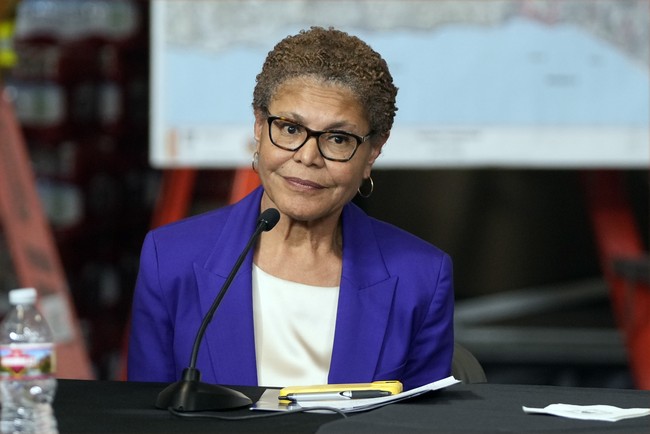
This piece examines the mounting backlash against Los Angeles Mayor Karen Bass after a contentious debate, her interview comments blaming a broad “sense of anger,” and the political fallout as challenger Spencer Pratt gains traction in the mayoral race. It lays out recent confrontations, public reactions, poll movement, and a high-profile protest at a housing ceremony, while keeping quoted material intact and preserving embedded media markers.
Los Angeles Mayor Karen Bass has had a rough stretch following the May 6 mayoral debate, where she faced pointed attacks from former reality TV personality Spencer Pratt. Her decision to skip a May 13 televised debate and instead grant one-on-one interviews signaled a retreat from open confrontation and fueled criticism that she is avoiding direct accountability. The move gave opponents fresh ammunition to claim she is out of touch with voters and unwilling to face tough questions publicly.
Bass’s appearance on MS NOW with Jonathan Capeheart focused on long-term fixes like restoring copper wiring to streetlights and addressing problems she described as having “existed for 3-plus decades.” She also characterized Pratt as an “anger ball” who taps into a broad popular frustration, a comment that opponents quickly seized on to argue she misunderstands where the anger is coming from. That framing did little to calm critics who say her time in office created new problems or worsened existing ones.
“Los Angeles Mayor Karen Bass accused the Republican challenger in her reelection race of using a ‘general sense of anger’ to motivate support for his mayoral bid.
“I think that he is tapping into a general sense of anger that people have, not just in Los Angeles, but in many other places around our country,” Bass told MS NOW on Saturday morning.”
Opponents responded that the anger Bass dismissed is specific and centered on local failures they attribute to her leadership. They ask pointed questions about emergency preparedness, budget choices, and critical services, arguing that voters are not simply venting at large but reacting to tangible declines in safety and city maintenance. Those critiques have been amplified by social media and campaign ads portraying neighborhoods in decline and residents furious about perceived neglect.
After the debate, critics accused Bass of deflecting blame by citing climate change and “unprecedented weather events” for local disasters like the Palisades Fire. A chorus of detractors pointed to cuts and policy decisions they say left fire response and resources inadequate, insisting those are policy failures rather than inevitable natural phenomena. That argument has become a focal point for messaging from Bass’s challengers who portray her as responsible for decisions that affected emergency readiness.
WATCH:
At a separate event for a new interim housing project under the Inside Safe program, an activist named William Gude loudly challenged Bass, accusing her of wasting millions on programs that have failed to reduce homelessness. Gude is not aligned with conservative groups but has been publicly demanding police and city accountability, making his confrontation particularly awkward for the mayor. The incident became an emblem of wider frustration among residents who feel their leaders are not listening when they demand better outcomes for safety and services.
The campaign dynamic shifted further when a recent Emerson College/Inside California Politics poll showed movement among voters: Bass at 30 percent, Spencer Pratt at 22 percent, and Nithya Raman at 19 percent. Pratt’s rise from 10 percent in March to 22 percent in May has opponents claiming momentum for an outsider candidacy built on anger at the status quo. Poll watchers note that endorsements and short-term boosts can change numbers, but the trend has energized Bass’s challengers.
Karen Bass is now blaming “climate change” for the Palisades fires.
Her own incompetence, cuts to the fire department’s budget, poor forest management, and empty water reservoirs are to blame.
This disgraceful response from Bass should be enough for voters to reject her at the ballot box.
Supporters of change argue that ongoing voter frustration has translated into concrete political energy, not just diffuse emotion. Pratt’s campaign ads and social presence aim to amplify grievances about crime, homeless encampments, and municipal services, giving voters a visible alternative to the incumbent. Whether that energy holds through election day depends on turnout, messaging discipline, and how effectively challengers convert discontent into votes.
Meanwhile, the mayor’s communications strategy—favoring controlled interviews over open debates—has been portrayed by critics as evasive. That line of attack is now a staple of opposition messaging, suggesting Bass prefers friendly outlets instead of facing broad scrutiny. The perception of avoidance feeds into narratives about accountability and responsiveness that matter in a close race.
As early voting unfolds, the contest looks increasingly competitive and contentious, with both sides sharpening claims about competence and consequence. Local activists, protestors, and surging challengers have all contributed to a charged political environment where anger and frustration are central themes. The coming weeks will test whether those sentiments translate into a decisive shift at the ballot box.


Don’t listen to anything this wicked Witch of the West says ever!
Does she take full credit with Newsom for burning up Pacific Palisades and surrounding areas in LA County and not batting an eyelash about it!!!
She’s responsible for so much death, destruction and mayhem to last an eternity!
All she is is GITMO material!!!