
Anti-ICE Agitators Wreak More Havoc in Minneapolis
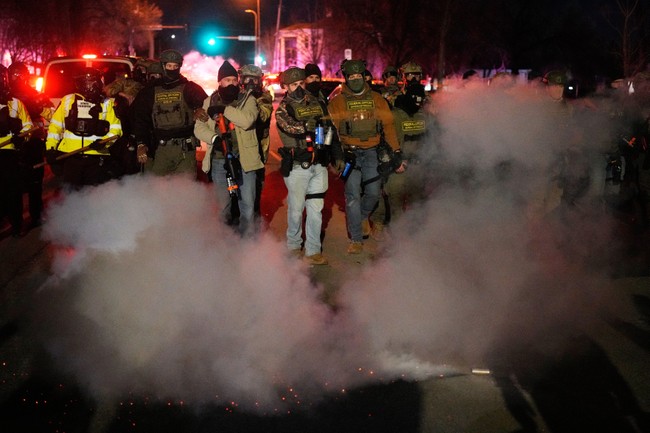
Minneapolis saw another chaotic incident as anti-ICE demonstrators swarmed and assaulted a group that included former Jan. 6 defendant and anti-Islam activist Jake Lang. Video captures show a violent confrontation, claims of a stabbing blunted by protective gear, and a larger law enforcement response that did not restore calm. The episode raises questions about public safety, local leadership, and whether city officials are effectively managing or even encouraging unrest. This report lays out what happened, who was targeted, and why officials now face scrutiny.
The incident began when a small group, including Jake Lang, walked through a Minneapolis area and was confronted by an aggressive anti-ICE crowd. Witnesses and footage show the crowd closing in, shouting, and physically attacking those present. Lang says he was stabbed but a plate carrier he wore stopped the blade, and multiple people appear to have struck and kicked him during the melee. The scene escalated quickly, showing a breakdown of basic public order where a targeted individual could be seriously hurt.
Journalist Julio Rosas recorded significant portions of the confrontation, and the footage includes harsh language and violent exchanges that some viewers will find graphic. The videos show people confronting targets, issuing threats, and carrying out physical assaults in plain view. Several clips capture what looks like coordinated intimidation rather than a spontaneous scuffle, suggesting an organized hostile presence. Social media and on-the-ground witnesses amplified the footage rapidly, drawing national attention to the city’s handling of protests.
After the initial beating, more footage shows other members of the group being pressured and chased by the same crowd, who used slurs and explicit threats. At one point, a man wearing a “freedom” shirt was pursued and told, “Take it off, and you won’t get hurt.” The man removed his shirt to avoid violence, demonstrating how intimidation and mob tactics can force compliance from ordinary citizens. This type of coercion on public streets is exactly what officials should be stopping, not letting happen.
Police did eventually arrive, including a SWAT presence, but they did not remain on scene long enough to prevent further harassment and dispersal of targets. The crowd continued its harassment even after law enforcement showed up, and reports indicate officers pulled back rather than reestablishing control. That pullback left people vulnerable and allowed the aggressive group to continue. When law enforcement presence is inconsistent, it encourages repeat incidents and sends the wrong message to both victims and aggressors.
Beyond the immediate violence, there are troubling questions about the conduct of city officials. Reports indicate the city has been tracking ICE activity and communicating with local community groups, which raises concerns about whether official messages are being interpreted as encouragement to confront perceived immigration enforcement. If city communications blur the line between oversight and activism, they can unintentionally tip local tensions into open conflict. Citizens need clear, neutral leadership that prioritizes safety over political signals.
The Justice Department has reportedly opened a review into the actions of Minnesota officials, including Governor Tim Walz and Minneapolis Mayor Jacob Frey, over their response to anti-ICE actions. That federal scrutiny highlights how local law enforcement and politicians are under a microscope when protest activity turns violent. A formal inquiry can examine whether officials fulfilled their duty to protect residents and enforce the law impartially. The outcome could have implications for how similar protests are handled around the country.
Meanwhile, residents and passersby who have no role in immigration enforcement are being dragged into confrontations by aggressive protesters who assume and accuse. Tech workers, shoppers, and people simply present in public spaces have been singled out, threatened, and verbally abused because of mistaken identities or assumptions. This climate of fear drives people away from downtown areas and harms local commerce and daily life. A city that cannot protect ordinary people from targeted mobs risks long-term damage to community trust and safety.
Minneapolis leaders face a clear choice: restore civilian safety through consistent enforcement and transparent communication, or risk further incidents that could end in serious injury or worse. Public policy has consequences, and when rhetoric spills into the streets as mob action, officials must act decisively. For now, footage and witness accounts show a worrying pattern of intimidation that deserves immediate attention and accountability.
Add comment