
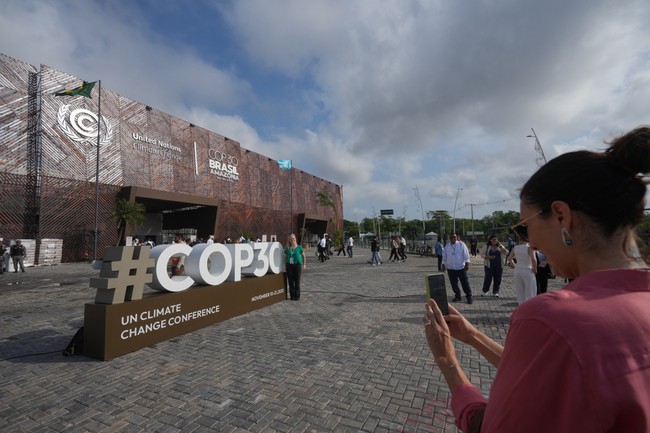
At COP30 in Belém, a long-running global climate ritual ended without sweeping agreements, reinforcing a growing skepticism among conservatives about alarmist climate narratives, contested science, and the UN’s role in steering policy and wealth transfers worldwide.
The two-week COP30 session closed with what many saw as muted outcomes rather than bold commitments. The New York Times described the result as “a watered-down resolution that made no direct mention of fossil fuels” and said it was “roundly criticized by diplomats as being insufficient,” adding that “a marathon series of Friday night meetings [that] ultimately salvaged the meeting from total collapse.” That reporting underlines how divided delegates were and how hard it was to manufacture consensus.
For decades, the United Nations conferences on climate have promised action but delivered limited practical results, prompting critics to question the underlying premises. Skeptics point to long-term climate records and argue that natural cycles, documented in ice cores and other archives, show repeated warming and cooling phases long before modern industry.
Ice-core data from Greenland and elsewhere reveal multi-century cycles over the last 10,000 years, with warming and cooling periods lasting several hundred years each. Earth is currently in a warming phase that followed the Little Ice Age, and critics note that warming historically has often preceded rises in atmospheric CO2 rather than being solely driven by it.
The Industrial Revolution happened alongside rising temperatures, and that concurrence led some scientists and communicators to assert a simple cause-and-effect relationship between fossil fuel emissions and catastrophic warming. Detractors argue those claims exceed what the data can reliably prove, and they stress that correlation alone does not establish the kind of causation used to justify sweeping economic interventions.
Some high-profile advocacy amplified these concerns into a political movement and a market for green investments. The “Hockey Stick” depiction used by Al Gore in An Inconvenient Truth remains a flashpoint for critics, who say the graph overstated recent warming by omitting earlier variability. After COP30, Gore insisted “Petrostates and their allies are doing everything they can to stop the world from making progress on solving the climate crisis,” which shifts blame onto opponents instead of confronting methodological and policy questions.
The formation of the IPCC and the UN’s dominant role in global climate discussions are often cited as mechanisms by which a single narrative achieved outsized influence. Critics argue that the combination of international bureaucracies, sympathetic media coverage, and academic incentives created an environment where dissenting scientific voices were marginalized rather than debated openly.
Computer models forecasting dire outcomes have driven policy appetites for net-zero targets and rapid energy transitions, yet these models have frequently been adjusted to fit observations. Opponents of the prevailing policy direction warn that aggressive decarbonization plans risk economic harm, energy insecurity, and unintended geopolitical consequences, while benefiting certain industries, research programs, and international aid arrangements.
Observers also point to global market dynamics, such as industrial-scale production of renewable technologies, as evidence that political and corporate interests can profit from the climate agenda. They argue that this creates perverse incentives: subsidies, mandates, and international finance flows that transfer wealth under the guise of climate justice, often enriching intermediaries and allied governments.
The mainstream press and institutional actors have a stake in sustaining attention to climate alarm, so critics say the narrative persists even as public urgency ebbs. That persistence was summed up by a line attributed to General MacArthur: “Won’t die; it will just fade away!” For conservatives watching COP30, this event appears to confirm a long-suspected reality—grand international promises, relentless media cycles, and policy experiments have produced more spectacle than durable solutions.
COP30’s subdued end leaves the political debate over climate policy very much alive. The conference revealed fractures among nations, skepticism about policy prescriptions, and a broader question about whether global institutions should steer domestic energy choices. Those are debates that will continue in legislatures, courts, and the marketplace even if the biggest headlines have quieted down for now.
Add comment