
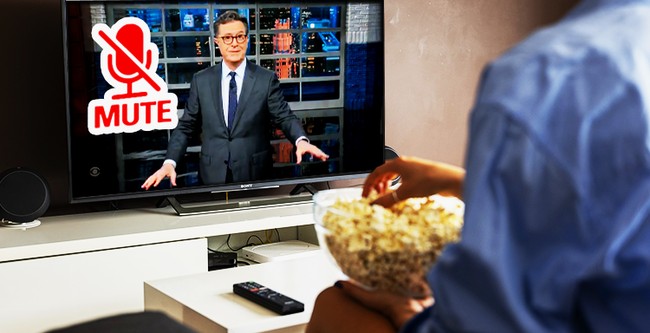
I’ll explain why Stephen Colbert’s complaint about being “canceled” over a pulled interview misses the mark, clarify who actually made the decision, outline the legal reasons networks avoid airing certain candidate appearances during active races, and note why blaming President Trump makes little sense in this case.
Stephen Colbert has loudly framed the network’s decision to remove a taped interview with James Talarico as a fresh example of censorship, but the facts point in another direction. The segment was withheld by network lawyers before airing, not by any explicit FCC order. That distinction matters because the rules that govern broadcast behavior are not the same as simple speech suppression.
Colbert positioned himself as a principled victim, and the late-night chorus predictably treated the story as a dramatic attack on free expression. The louder the outrage, the less likely it is that the people doing the shouting have actually read the regulatory playbook broadcasters must follow. Networks face legal and practical constraints when a guest is an active candidate.
The legal concern here centers on equal time obligations for broadcasters, a long-standing framework tied to the use of public airwaves. When a person is an active candidate, an appearance on a broadcast outlet can be treated as an in-kind campaign contribution unless comparable time is offered to opponents. Networks are mindful of that rule because ignoring it opens doors to complaints and enforcement actions.
That equal time reality is why CBS lawyers decided to pull the Talarico segment. With early voting underway and the candidate participating in a primary, airing the interview without equivalent access for rivals would have been exposing the network to legal risk. This is a routine compliance move, not a dramatic capitulation to political pressure.
Still, the reflex among many on the left was to blame the White House or regulators for a decision that was internal and precautionary. The impulse to point fingers outward is common when networks or hosts face internal missteps, because admitting an error of judgment is harder than casting blame. That instinct explains why columns and cable panels quickly turned this into a narrative about authoritarian targeting instead of a technical broadcast compliance issue.
There is also a practical political angle that makes the Trump-targeting story implausible in this instance. James Talarico is running in a Democratic primary, meaning there is no obvious motive for the president to intercede on his behalf. Claims that this was Trump-driven ignore the internal dynamics of party politics and the timing of the race.
Colbert’s team might argue they could have fixed the imbalance by inviting the other candidates onto the show, but timing matters. With early voting already underway in the relevant jurisdiction, offering fair access after the fact would not erase the appearance of unequal treatment during a live campaign window. Networks are conservative about these things because the penalties and headaches are real.
It is worth noting that Colbert has a history of partisan booking, which undercuts the outrage about alleged political censorship. Having a preference for certain guests or viewpoints is different from claiming your show was muzzled by an outside censor. Calling this a censorship scandal elevates an administrative decision into a culture-war trophy without the necessary legal or factual backing.
Accusations that the White House or regulators forced the network to act ignore obvious alternatives: network risk management, legal counsel advising caution, and the tight calendar of an active primary. Those explanations are prosaic, but they fit the evidence better than a conspiracy theory about centralized political suppression.
The broader lesson here is that media figures and outlets need to be honest about the constraints of their platforms. Public broadcasters operate under rules that differ from cable or streaming, and those rules exist because the airwaves are a limited public resource. Recognizing that reality would make for fewer theatrics and more accurate public debate.

Add comment