
Checklist: critique Schumer’s proposal; explain why national monuments should fly only the U.S. flag; recount the Stonewall flag dispute; preserve key quotes and context; highlight political stakes for voters.
Senator Chuck Schumer is pushing legislation to elevate the Pride flag to the same legal status as the American flag at federal sites, and that move is raising legitimate concerns about precedent and the proper symbolism of national monuments. This piece examines why treating a political or activist banner like a national emblem is a dangerous stretch and why many veterans and patriots find it offensive. The Stonewall National Monument spat that sparked the proposal is a fitting case study in what should and should not fly over our federal memorials. The core issue is simple: national symbols carry unique weight, and Congress must be careful not to dilute that weight for political gain.
Schumer framed the bill as a safeguard for LGBTQ visibility and permanence, but context matters. The effort follows a dispute over the removal of a pride flag from Stonewall National Monument, a situation that inflamed passions on both sides. What Schumer is effectively asking for is a permanent exception to the traditional rules that govern flags at federal sites. That is a step many see as unnecessary and provocative.
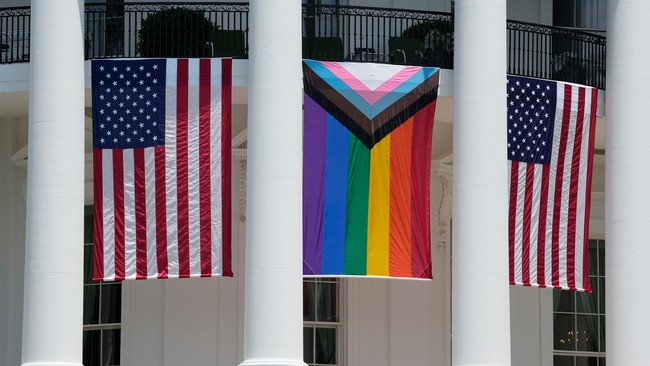
New York Sen. Chuck Schumer has filed a bill to give the pride flag the same legal standing as the U.S. flag and military banners.
The proposal, which faces long odds in the Republican-controlled Congress, comes in response to a simmering dispute over the Trump administration’s decision to remove an LGBTQ pride flag from Stonewall National Monument in New York City.
Schumer said Stonewall is “sacred ground and Congress must act now to permanently protect the Pride flag and what it stands for” by granting federal protections that would allow it to be flown outside government buildings, and National Park sites.
“Trump’s hateful crusade must end,” Schumer said in a statement. “The very core of American identity is liberty and justice for all – and that is what this legislation would protect: each national park’s ability to make their own decision about what flag can be flown.”
Those paragraphs capture the political theater surrounding the measure, but they do not resolve the deeper questions. Who gets to decide which banners share the symbolic space reserved for the nation itself? If Congress opens the door to one activist flag, it becomes difficult to deny equal recognition to others with equally passionate followings. That slippery slope matters because national monuments are meant to represent shared history and sacrifice, not shifting political campaigns.
Veterans and service members, in particular, object to equating activist emblems with the Stars and Stripes. Many feel a special duty to preserve the unique status of the national flag, along with the branch flags that represent hard-earned traditions and honors. National monuments often commemorate sacrifice on public ground, and there is a strong argument that only the American flag should fly over those sites to maintain unity and respect.
Supporters argue permanence is the point, that legal protection prevents future administrations from erasing history for political reasons. Their emotional case is understandable: civil rights landmarks deserve safeguarding. But permanence granted by statute is not the same as constitutional symbolism, and creating a new federal exception for one movement sets a precedent that could be exploited by future lawmakers with different priorities.
Manhattan Borough President Brad Hoylman-Sigal, who joined other Democrats in re-raising the flag last week, is among those who support Schumer’s proposal. He said the legislation “protects our legacy, our dignity, and the generations who will look to Stonewall as proof that progress, once won, must be defended.”
“Authorizing the Pride flag in federal law is about more than symbolism, it’s about permanence,” he said in a statement. “It sends a clear message that LGBTQ+ history is not subject to political whims and that our visibility cannot be stripped away. Civil rights landmarks should not be vulnerable to shifting administrations.”
The response from local leaders underscores the emotional stakes, but it also highlights the partisan split. For many conservatives, the appropriate remedy for political decisions they dislike is winning elections, not trying to entrench one group’s symbols into federal law. Lawmakers who favor permanence for one cause may be emboldening future efforts to enshrine other agendas into statute as well.
At its heart, this debate is about the limits of government symbolism and the proper role of monuments. National parks and memorials are public property meant to honor the nation and the people who shaped it. Allowing activist flags to share that space fractures the common symbolism that the American flag is supposed to provide. The rule should be clear: national monuments represent the nation first, and no activist banner should displace that primacy.
Practically speaking, the bill faces steep obstacles in a Congress where Republicans control one chamber. That political reality matters because it reflects broader public skepticism about reshaping national symbols. Still, the proposal is a reminder that battles over culture and memory will remain central in coming elections, and voters will weigh how their representatives handle questions of national identity and respect for shared traditions.



Add comment