
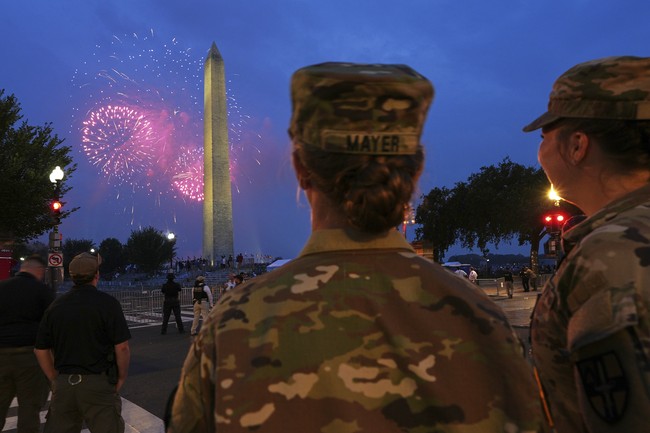
The California Coastal Commission has denied Long Beach a fireworks permit for the city’s Fourth of July “Big Bang on the Bay,” citing environmental and logistical concerns, and that decision has sparked heated criticism from residents and local business owners who say the move kills a long-standing patriotic tradition during America’s 250th year.
The commission exists to protect California’s coastline, but critics argue it has drifted into overreach and political posturing. Locals who have enjoyed the show for years say the denial feels punitive and out of step with community priorities, especially in a year of major national celebration.
Long Beach organizers expected a familiar spectacle over Alamitos Bay, complete with waterfront dining and family-friendly viewing from the boardwalk. Instead they were blindsided when the permit was refused, forcing officials to weigh canceling the event or replacing the fireworks with a different form of entertainment.
For the first time in 15 years, Long Beach’s “Big Bang on the Bay” will be lacking its signature “bang” after the event’s fireworks permit was denied by California state officials.
The annual Fourth of July celebration, which typically lit up the night sky over Alamitos Bay the night before Independence Day, will be without its famous fireworks show after the California Coastal Commission denied the permit, leaving city leaders toying with the idea of canceling the event altogether.
“Fireworks to me, it just seems like the best way,” said John Morris [who owns a waterfront restaurant]. “Any other option is going to be hard to rally as many people as we rally.”
Residents and business owners are angry and confused about the timing. This year marks America’s 250th, and many see the denial as especially tone-deaf given the scale of planned national celebrations and the pride communities want to show.
Commission critics point out nearby, long-running pollution problems go unaddressed while fireworks draws scrutiny. They note that larger and longer-term sources of contamination, including cross-border sewage flows and storm runoff, have not faced the same level of intervention or theatrical outrage.
The Coastal Commission’s stated reasons include concerns about water contamination and the impact on sensitive habitats, alongside practical worries like temporarily lost parking access at a waterfront restaurant. Opponents counter that studies label fireworks impacts low-impact compared with other persistent pollution sources and argue the decision feels like virtue signaling.
Local parents who recall watching the show with children describe lively community moments now at risk. Dinner packages at local attractions and long evening strolls along the waterfront will lose a reliable anchor event that brings families together and supports small businesses.
The commission suggested a drone show as an alternative, which many deride as a cold substitute and a bureaucratic preference masquerading as modernism. Drones may be quieter and cleaner in some ways, but they lack the visceral communal thrill of a fireworks display and would not necessarily draw the same crowds.
City leaders and event organizers now face practical headaches: rethinking logistics, budgeting for alternatives, and managing community disappointment. For those who plan and depend on the event, a denied permit means scrambling to preserve local tradition and revenue in a tight timeframe.
Whatever the environmental argument, opponents say the move smacks of political posturing during a symbolic milestone year. The question residents are left asking is whether protecting the coast has become an excuse for curbing civic celebration and antagonizing patriotic sentiment.
People who loved the event insist it was responsibly run and deeply cherished, and they want a fair, balanced approach that protects both the coastline and community traditions. Denying the show outright without obvious mitigation or compromise has hardened local resolve to push back and demand better reasoning.
Some scientific assessments do show transient pollutant spikes after fireworks, yet others categorize the effects as modest compared with the constant impacts of urban pollution sources. Critics stress agencies should prioritize fixes for ongoing, large-scale contamination rather than single-evening displays that boost civic life and local commerce.
With the decision now public, Long Beach faces a summer where a signature night of patriotism might be dimmed by bureaucracy. For many residents the issue is not just about fireworks—it’s about how decisions are made and whether local voices count when state bodies intervene.



Add comment