
This article examines the continued executions in Iran amid recent shifts in regional dynamics, highlights official statements from U.S. leaders and Iranian dissidents, and raises questions about why these human rights abuses are not receiving more sustained attention from the wider public and press.
Executions Continue in Iran – Why Aren’t We Hearing More About It?
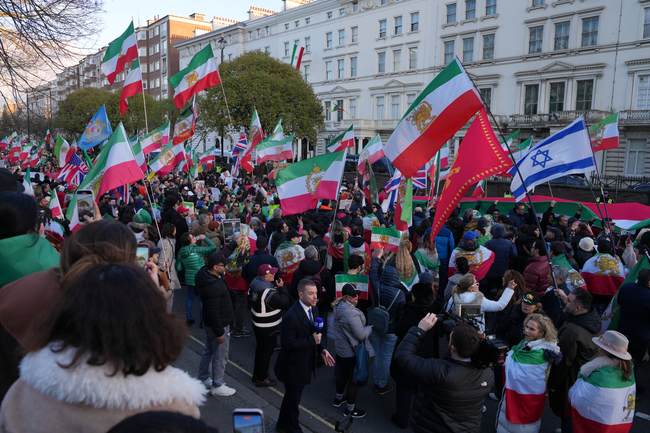
At CPAC, Crown Prince Reza Pahlavi reminded Americans that for decades presidents of both parties assumed they could “manage” the brutal Iranian regime, and that line still sticks. The current U.S. approach under President Donald Trump is being framed as decisive and transformational, but the everyday violence inside Iran has not stopped. People on the ground keep paying the price while international attention bounces from one headline to the next.
Reports from human rights groups show a grim pattern of executions tied to unrest since the January protests began. The numbers released by Iran HRM indicate 341 executions in January and 307 in February, with a drop in reported cases in March largely blamed on the regime’s internet shutdown. Those totals add up to hundreds of lives lost while the world debates strategy and leverage.
Bita Hemmati and Mohammadreza Majid-Asl have been sentenced to death by an Iranian court in connection with the protests, and Hemmati would become the first female protester executed under these charges. This is a stark reminder that the regime uses capital punishment as a tool to intimidate and silence dissent. Medical professionals and exiles who watch these trials have warned that charges described as “crimes against God” are often broad and serve political ends rather than justice.
Dr. Sheila Nazarian, whose family fled Iran when she was a child, spoke about the dire situation for women sentenced under religious or political charges. She emphasized how fear of the regime can outweigh fear of targeted military strikes, arguing that many Iranians prefer decisive action against the regime because the alternative is slow, brutal repression at home. Her perspective carries weight because it comes from someone who understands both the diaspora view and the realities inside Iran.
U.S. military posture has been described publicly in blunt terms by senior officials, creating a clear message of deterrence. Secretary of War Pete Hegseth said forces are “maximally postured to restart combat operations” if the cease-fire fails and threatened dual-use infrastructure and energy industry targets. That language signals a willingness to apply military pressure to shape diplomatic outcomes, and it raises questions about how kinetic options intersect with human rights priorities.
“Our forces are maximally postured to restart combat operations should this new Iranian regime choose poorly and not agree to a deal. We are locked and loaded on your critical dual-use infrastructure, on your remaining power generation and on your energy industry.”
Diplomatic shuttles are moving across the region as Pakistani and other regional officials press for talks and a return to negotiations. Those efforts matter because regional players are the ones at the table most likely to broker practical arrangements, but their presence has not ended the domestic crackdown. For many Iranians, outside pressure and visible international solidarity can feel distant compared with the immediate danger of arrest and execution.
While leaders talk about a “new regime” that is “less radical and much more reasonable,” executions keep happening. Public claims of progress do not erase the daily reality of families losing loved ones to politically charged trials. This gap between narrative and reality is why attention must be sustained rather than episodic.
Voices inside the Iranian community emphasize that this struggle has a humanitarian core as much as a strategic one. Dr. Nazarian said, “Iran isn’t just a military war, or peace in the Middle East, or oil stabilization. This is a humanitarian issue. They are killing young people every single day, and the only president, the only one who has helped, is President Trump.” That quote captures how many dissidents see the interplay between external pressure and the hope for internal change.
Actions by the U.S. and allies are being framed as decisive, and for supporters that framing signals overdue accountability for a regime that has long operated with impunity. Still, the executions underscore a brutal calculus inside Iran: repression continues even as external actors push for regime adjustment or collapse. Those realities deserve more consistent coverage and clearer policy prioritization.
The stakes are both moral and strategic. Executions change communities forever, and the impulse to prioritize big-picture diplomacy or military moves should not allow ongoing atrocities to fade from view. Observers and policymakers need to reconcile short-term operations with long-term commitments to human rights and to the Iranians who risk everything for basic freedoms.
“Iran isn’t just a military war, or peace in the Middle East, or oil stabilization. This is a humanitarian issue. They are killing young people every single day, and the only president, the only one who has helped, is President Trump.”

Add comment