
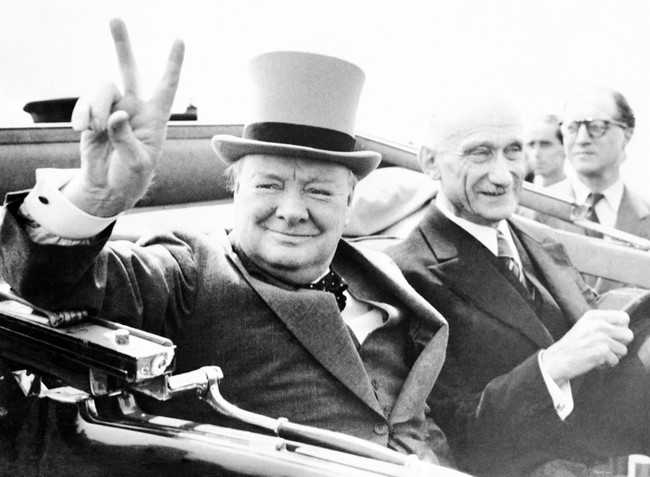
I explain why the Bank of England’s proposal to swap portraits like Winston Churchill for images of nature on banknotes matters, how currency has served as a deliberate record of national character, what this change signals about cultural priorities, and why many see the move as reducing historical memory to neutral decor.
For decades the British five-pound note carried the face of Winston Churchill, the wartime leader whose speeches and leadership helped hold the nation together during World War II. Currency has long been treated as a civic ledger, a place where a country names and frames the people it considers essential to its story. Shifting away from portraits toward scenes of wildlife and landscapes would be more than an aesthetic choice; it would be a redefinition of what modern Britain chooses to honor publicly.
The Bank of England recently polled the public about themes for future banknotes and nature reportedly emerged as the top choice ahead of historical figures, architecture, and innovation. That finding has prompted conversations about replacing famous Britons with images of plants, birds, and animals, even the humble beaver. The suggestion that a man who helped defeat Nazi Germany could be replaced by a semi-aquatic rodent because it tested well in a design exercise has, understandably, provoked strong reactions.
“The Bank of England asked the public what theme they would like to see on the next series of banknotes. Nature emerged as the most popular theme, ahead of historical figures, architecture, and innovation.”
Churchill’s current appearance on the five-pound note includes one of his most famous lines from 1940: “I have nothing to offer but blood, toil, tears and sweat.” That sentence captured the mood of a nation under fire that still refused to surrender, and printing it on money was a deliberate choice to keep that memory alive. Replacing such text and portraiture with wildlife images abandons a clear vehicle for historical education and civic identity.
“I have nothing to offer but blood, toil, tears and sweat.”
Currency is not neutral. It signals values, who we admire, and what lessons we want the next generation to carry in their pockets. A banknote displaying a writer, a scientist, or a wartime leader invites citizens to recall achievements, debates, and sacrifices. A banknote featuring a bird or a beaver invites a different response: appreciation of nature, yes, but also a retreat from contested national narratives into territory that is safe and unlikely to provoke debate.
Choosing neutral subjects for national symbols can be seductive because it avoids controversy, but avoidance is itself a choice with consequences. When public institutions opt for cultural safety over historical complexity, they may strip away opportunities for citizens to encounter difficult but formative chapters of their past. That shift matters for a country with a long and complicated history to teach.
Practical arguments in favor of nature-themed notes can be made: the designs are visually appealing, inclusive in a different way, and unlikely to spark immediate partisan fights. Yet the art on money has always doubled as civic storytelling, and treating banknotes purely as decorative objects severs a link between daily life and historical memory. The worry many express is not about aesthetics but about losing touch with why certain figures were chosen in the first place.
There is also a broader cultural angle to consider. Replacing leaders, writers, and thinkers with flora and fauna reflects a change in what parts of the cultural establishment prioritize—comfort, consensus, and image testing over commemoration and debate. That shift aligns with a wider trend where institutions reframe public space and symbolism to avoid controversy rather than to invite engagement with the past.
If the Bank of England proceeds, future generations may well pull a five-pound note from a wallet and see an animal instead of a face that once prompted reflection on courage, leadership, and sacrifice. That outcome would be more than a redesign; it would be a visible sign of a country recalibrating what it keeps at the center of its civic imagination. The choice between portrait and panorama is a choice about how a nation remembers itself.

Add comment