
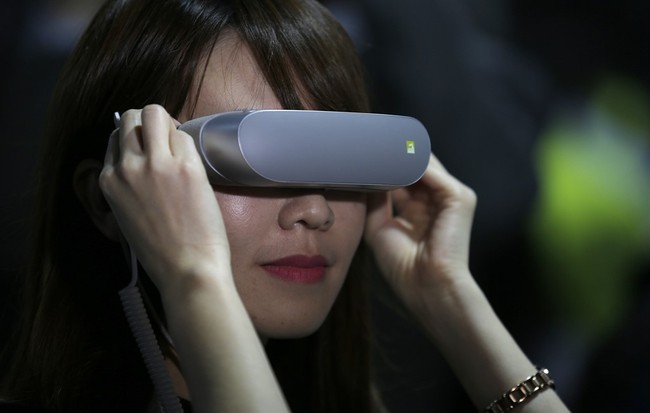
The world may be on the verge of another tech leap: AI-powered smart glasses using ultra-fast 6G networks that stream what wearers see and hear to AI models in real time. This article examines the promises, the privacy and security concerns, and the social trade-offs of turning ordinary people into constant, streaming observers. It keeps the core quotes and facts intact while asking practical questions about how such devices would change daily life. Expect a balanced, direct take on whether we want to be walking cameras and what to watch for as the technology arrives.
We already walk around with pocket-sized devices that feel like things from science fiction, handling calls, video, navigation, pictures, and music. The next step, according to industry voices, is to move that functionality onto our faces with glasses that stream sights and sounds to AI in real time. The idea is exciting at a glance: instant context, live translation, augmented reality overlays, and on-the-fly assistance. It also shifts responsibility from users to always-on systems that collect and process continuous data.
Qualcomm CEO Cristiano Amon described this possibility plainly and forcefully, saying, “6G is going to transform all of us into walking cameras because we have the ability to, everything that we see, send it to AI models that will interact with us and get intelligence right away.” That quote captures both the technological promise and the privacy stakes in one sentence. It suggests a device category that could reshape how people interact with information, but it also raises immediate questions about consent and control.
The CEO further framed glasses as central real estate for human-computer interaction: “As we humans start to interact with the computers the way we interact with ourselves, glasses is a very important real estate because it’s close to our eyes, our ears, our mouth. And AI is [going to] see what we see, hear what we hear, read what we read. And then you have this intelligence very quickly.” Those words highlight why companies view eyewear as the natural next platform for AI assistance. They also underline how intimate the data stream could be.
The next era of mobile technology will turn everyday Americans into “walking cameras” as AI-powered smart glasses monitor everything they see and hear, according to Qualcomm CEO Cristiano Amon.
During an appearance on “Mornings with Maria,” Amon described a future in which ultra-fast 6G networks will allow smart glasses to stream information to AI models in real time. He said the shift could reshape both the technology industry and everyday life.
“6G is going to transform all of us into walking cameras because we have the ability to, everything that we see, send it to AI models that will interact with us and get intelligence right away,” Amon said Friday. “And that’s an exciting new device category.”
Those statements are meant to sell a vision, but practical questions follow immediately. Glasses differ fundamentally from phones: you wear them on your head instead of carrying them in a pocket, which makes continuous use more likely. With a smartphone, recording typically requires deliberate action—unlocking, opening an app, aiming the camera. Glasses blur that line: passive capture becomes the default unless users and regulators force a different norm.
Privacy is the obvious worry. If glasses continuously stream what a wearer sees and hears, who accesses that stream besides the user? Corporations, cloud providers, ad networks, and possibly governments could request or acquire data. Existing smartphone privacy issues are already significant; adding constant first-person video and audio multiplies those concerns and expands the scope of surveillance beyond what most people notice today.
Security is another weak point. Any device that streams personal data to offsite AI models needs robust encryption, authentication, and software hygiene. Without rigorous protections, these new glasses could be hacked to reveal locations, conversations, or sensitive behavior. The risk is not hypothetical—every connected device is a potential point of compromise until proven otherwise.
There are social and commercial consequences as well. Will heads-up displays be clean windows to information, or will they become ad-saturated screens full of targeted marketing? The business model for many tech products relies on monetizing user attention, and glasses could offer even richer targeting than phones. That raises the prospect of living in a world where we are constantly fed tailored messages layered over reality.
Technology tends to move forward and seldom reverses. Automobiles, airplanes, the internet, and artificial intelligence changed society and stayed. If smart glasses become widespread, managing their impact will require prudence, policy, and public debate rather than blind acceptance. That mix of innovation and caution will determine whether these devices enhance daily life or create new forms of intrusion.
Questions remain: Will people choose to wear continuous-capture glasses, or will social norms and legal rules limit use in certain spaces? How transparent will data handling be, and who will enforce protections? These are the practical issues to watch as companies push toward an always-on wearable future.

Add comment