
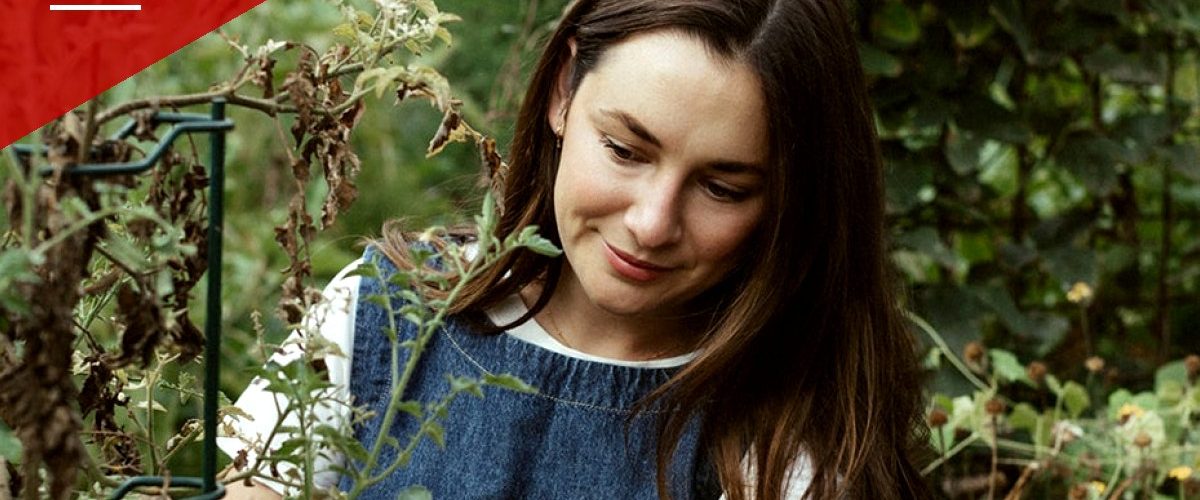
Carmen Perr grew up the youngest of six children in a household that relied heavily on fast food. Today, the Los Angeles-based creator known online as Carmen in the Garden is releasing her debut cookbook built almost entirely around produce she grows herself.
“I grew up eating fast food,” Perr told Fox News Digital.
Her shift toward homegrown food began more than a decade ago, while she was working in real estate acquisitions. She started gardening as a way to manage stress and anxiety, beginning with a handful of potted herbs.
“I started gardening in my first corporate job as a way to cope with stress and anxiety, and I started with just a few potted herbs,” she said. “I didn’t know what I was doing, but then it slowly grew over time.”
As she gained more growing space, Perr expanded into fruits and vegetables, which forced her to learn to cook with ingredients she had never touched before.
“I had never cooked an artichoke until I grew one,” she said.
That self-taught education became the foundation for her forthcoming cookbook, “Cook What Grows: Seasonal Recipes & Gardening Wisdom for Everyday Eating,” which includes roughly 100 recipes.
Perr said the recipes are meant to “spotlight fresh produce in super flavorful but attainable ways.”
Seasonal Doesn’t Mean Expensive
Perr pushes back on the idea that eating seasonally is costly.
“I think that there’s a big misconception that eating seasonally has to be expensive,” she said. “But when you go to a farmers market or your local grocery store, typically what’s in season is the more inexpensive option.”
She advises shoppers to trust their senses when selecting produce — checking for vibrant color, judging firmness or softness, and smelling herbs for freshness.
“When you pick up a bunch of cilantro, you should immediately be able to smell it,” she said.
Perr encourages shoppers to slow down at the point of selection, arguing that cooking effectively begins the moment someone starts choosing ingredients.
Rethinking How Herbs Are Used
Perr said herbs are too often treated as an afterthought, when fresh, dried and even seeded versions of the same plant can taste markedly different. She favors experimentation over rigid recipes.
Examples from her kitchen include fresh oregano steeped in hot oil with feta, and dill-marinated chicken wings finished with dill salt and a dill dipping sauce.
“You are getting a full dill immersion in a chicken wing format,” Perr said.
She also pointed to sage’s drying quality as useful for balancing rich, fatty dishes, noting it was traditionally rubbed between the hands as a home remedy for clamminess.
For dried herbs generally, Perr recommends crushing them by hand before adding them to a dish.
“Crushing it before you add it to something will explode the flavor,” she said.
Her broader aim with the cookbook is to help people feel more connected to what they eat.
“I’m hoping to inspire people to cook what grows, but in turn, grow what they cook,” she said.



Add comment