
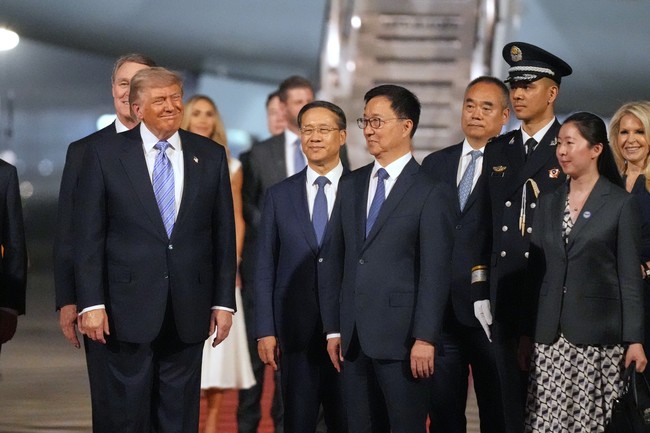
The US-China summit delivered big, tangible wins on trade and Iran, with Beijing agreeing to major purchases and to oppose Iranian escalation, but the high-level hospitality and photo ops masked a chaotic, sometimes hostile, backstage reality that put American staff and Secret Service in uncomfortable and dangerous positions.
The public story was tidy: China committed to buying U.S. soybeans, oil, liquefied natural gas and other energy, and to purchasing 200 Boeing 737s, while expressing opposition to militarizing the Strait of Hormuz and backing the goal that Iran never acquire nuclear weapons. Those are concrete outcomes that strengthen American leverage and help protect global commerce. From a Republican perspective, this kind of hard-nosed dealmaking and pressure on bad actors is the kind of diplomacy that produces results without surrendering principle.
The summit also included a lavish state dinner with traditional dishes and a notably American soundtrack, which was treated as both a gesture and a bit of theater. The optics mattered: playing “YMCA” at the end of the night was a wink that the United States set the tone and got elements of what it wanted. But while the stagecraft satisfied press narratives, what happened offstage deserves scrutiny because our people were put at risk.
Behind the polished appearances, delegation members described the atmosphere as a “s**tshow.” That blunt word came from one participant and reflected more than just frustration; it reflected a pattern of aggressive behavior from Chinese officials and press handlers that crossed lines. When national security and the safety of presidential protectors get tangled in local protocol games, that’s unacceptable and needs to be addressed directly at high levels.
Warning for graphic language:
The first incident came when an aggressive Chinese press pack charged into Trump’s morning bilateral meeting with Xi, knocking down and then stepping on a White House advance team member.
The aide was bruised and shaken, though not seriously injured, and the incident caused her colleagues to loudly protest the Chinese media’s behavior.
The physical shoving of an advance team member is not just rude, it’s dangerous. Advance teams set the stage for secure, orderly events and their safety is essential to presidential security. Any nation that allows or tolerates that kind of press frenzy during a bilateral meeting needs to be reminded that respect for our staff is nonnegotiable.
The second episode involved the Temple of Heaven visit, where a Secret Service agent carrying his legally required firearm was denied entry into a secure area. That refusal turned a routine visit into a standoff, delaying the schedule and forcing hard decisions. The American delegation rightly refused to proceed without its protector, and after a tense half hour the problem was resolved by sending in another cleared agent.
The Chinese version of a Mexican standoff ensued, with the press pool and American delegation refusing to move forward without the agent and Beijing officials determined to take his sidearm.
After a 30-minute delay and many arguments, another Secret Service agent who had already been cleared to proceed was summoned to escort reporters inside while the first agent stayed behind.
Security protocol matters and cannot be subject to local whim when protecting an American president and press pool. The episode showed a troubling lack of coordination and a willingness by some hosts to put their control of the situation above our security needs. We are dealing with a regime that treats rules as tools to be bent; Washington needs to be firm and clear about red lines.
There was a third incident at the Temple of Heaven when the press pool was blocked from joining the presidential motorcade as it departed the site. Tensions flared and Americans had to assert themselves to reach the vehicles. That showdown again highlighted how quickly protocol disputes can escalate into physical confrontations when one side uses obstruction as leverage.
Finally, with Trump in the motorcade and waiting for the press, a White House staffer announced: “We are going.” That was the cue for the American contingent to push their way past the Chinese and run out the door.
As the group crossed the temple grounds to catch the motorcade, another set of Chinese officials tried to stop them, running with their arms out toward the group. But the Americans pressed on and reached the line of cars that made up the presidential convoy.
Repeated friction like this isn’t just embarrassing; it’s a security issue and a sign of disrespect. The United States has to insist on protocols that protect its people and its presidency, and not accept grand hospitality as a cover for rough treatment of our teams. When diplomacy succeeds on policy but fails on basic protections, leaders back home will rightly demand answers.
The administration’s narrative that this trip advanced American interests is true on the surface, but the chaos behind the scenes shows why toughness matters. We can celebrate the deals while still holding foreign hosts accountable for how they treat our personnel and security details. That balance—strength at the negotiating table and strict insistence on safety and protocol—is what wins both deals and respect.
Update: As we mentioned, the Chinese played Trump’s big song during dinner:
[Editor’s Note: This article was edited for clarity after publication.]
Editor’s Note: Thanks to President Trump and his administration’s bold leadership, we are respected on the world stage, and our enemies are being put on notice.
Add comment