
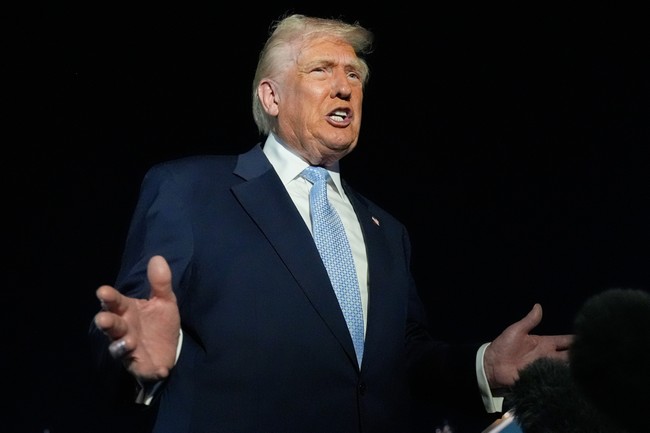
President Trump has urged Congress to stop funneling Obamacare subsidies to insurance companies and instead send payments directly to Americans, arguing this would return control and purchasing power to consumers and break the grip of entrenched healthcare interests. The proposal clashes with a complex web of lobbying, bureaucracy, and regulatory inertia that shields the current system, and recent cases show how red tape can block timely access to promising treatments. This article explains the fight over subsidies, the lobbying power arrayed against reform, examples of patients stuck in bureaucracy, and why shifting subsidies to people would be a major political and policy battle.
The reopening of the government revived a familiar fight over healthcare money and policy. President Donald Trump used Truth Social to call out the current system and demand that subsidies be sent directly to the people instead of enriching insurers. That kind of dramatic shift threatens firms that make huge profits under the current rules and will meet strong resistance from those who benefit. Congress is already discussing options, but meaningful change will require overcoming institutional inertia and well-funded opposition.
THE ONLY HEALTHCARE I WILL SUPPORT OR APPROVE IS SENDING THE MONEY DIRECTLY BACK TO THE PEOPLE, WITH NOTHING GOING TO THE BIG, FAT, RICH INSURANCE COMPANIES, WHO HAVE MADE $TRILLIONS, AND RIPPED OFF AMERICA LONG ENOUGH. THE PEOPLE WILL BE ALLOWED TO NEGOTIATE AND BUY THEIR OWN, MUCH BETTER, INSURANCE. POWER TO THE PEOPLE! Congress, do not waste your time and energy on anything else. This is the only way to have great Healthcare in America!!! GET IT DONE, NOW. President DJT
That quote makes the political stakes plain: return purchasing power to individuals and cut the influence of large insurers. Republicans favor reducing top-down control and giving consumers more options and transparency. But insurers and allied health systems have built a complex set of rules, payment codes, and relationships with regulators that lock in their advantage. Reformers must plan for both policy detail and political fights to pry open a system that rewards status quo players.
Even when a change sounds simple on paper, the practical hurdles are significant. Reform that reduces government funding and control will be opposed not only by insurance companies but by any institution that benefits from current rules. Health advocates at events in Washington have repeatedly warned that the industry’s lobbying muscle protects the status quo. That muscle funds campaigns, shapes legislation language, and stacks regulatory processes in ways that make sweeping change difficult without sustained public pressure and political will.
Data presented by healthcare activists show heavy spending to influence Congress. In 2024 the industry poured hundreds of millions into lobbying to block reforms that would force price transparency and equalize payments. Defensive spending is a predictable reaction: when markets are unsettled, those with the most to lose will lobby hardest to preserve the arrangements that deliver their profits. For anyone serious about returning choice to patients, recognizing and countering that spending is essential.
The influence does not end at lobbying totals. Insurance firms and hospitals also donate to campaigns and PACs, ensuring they have friends on both sides of the aisle. That combination of campaign contributions and lobbying creates long-term relationships that steer policy details. Polling shows many voters want more control over healthcare, but translating that into law means beating organized interests at the legislative level and holding elected officials accountable for their votes.
HHS leadership under Robert F. Kennedy Jr. has signaled intent to challenge corporate medical dominance and reduce barriers to treatments. But federal agencies have deep bureaucratic procedures and ethics reviews that can slow or block access even after approvals are obtained. Patients with urgent or terminal conditions often find that approvals are just the start of a long fight with insurers and institutional processes before treatment can begin.
High-profile cases highlight how the system can deny timely access to care. Cartoonist Scott Adams publicly struggled to get a new FDA-approved drug through his provider’s bureaucracy until the president intervened, and California activist Lori Mills had to fight ethics board delays for her husband’s approved therapy. Those stories show that when people with platforms push, outcomes can change, but the average patient rarely has that leverage. Millions of Americans face delays or denials without a public spotlight, and reformers argue that directing subsidies to consumers could reduce those frictions by giving people more ability to choose and pay for treatments directly.
Insurance companies helped shape and maintain the system they now defend, funding legislation and regulatory frameworks that favor complex payment rules and limited transparency. That financial entanglement explains part of why change is so contentious: major players fear losing market power and margin. Any serious policy that re-routes subsidies to individuals will need to dismantle not just payment streams but the web of regulations and incentives that sustain them.
The political reality is clear: if Congress acts to reroute subsidies away from insurers and into the hands of citizens, it would be a major step toward consumer-driven healthcare. It will require persistent advocacy, sharp legislative language, and a willingness to confront powerful industry interests that prefer incremental fixes. For the moment, the proposal has energized debate, cast a spotlight on bureaucratic delays, and forced a choice between protecting entrenched profits and restoring individual control over healthcare decisions.


What, if anything, does this mean for people who pay premiums through payroll deductions for employer provided group policies? I don’t know if the subsidies are even applied in group policies. I would hope that overall prices would eventually go down due to insurance companies and providers competing for customers instead of the government’s “money is no object” approach. I don’t know what to expect. I keep hearing that prices are going to skyrocket and if the subsidies don’t apply to our insurance, I doubt we would be getting the money the government is talking about sending directly to individuals.