
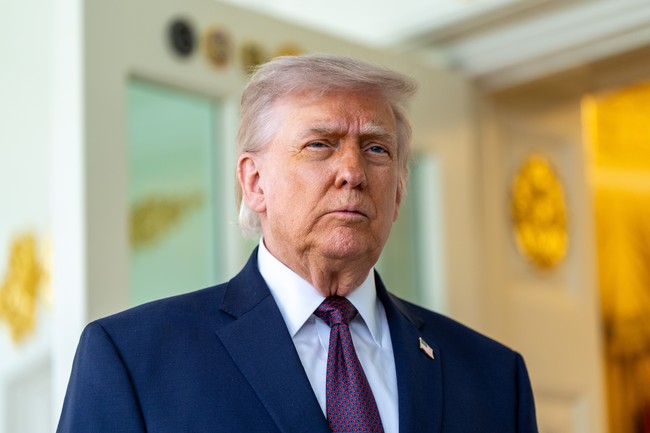
Donald Trump blasted Democrats and their allies over a newly announced “voter integrity” task force, calling out longtime operatives and warning Republicans to act hard and fast to protect upcoming midterms. He accused figures tied to redistricting efforts of hypocrisy and election manipulation, urged passage of the SAVE America Act, and demanded tougher action from GOP leaders who he says are standing down. The dispute centers on the role of Eric Holder and projects like “Redistricting U” and how those efforts are being framed by Democrats versus how Trump and his supporters see them. This article lays out the claims, the key players, and the political stakes as the parties prepare for the midterms.
President Trump used the language of outrage to describe what he sees as a coordinated Democratic push to control election outcomes. He labeled the architects of the campaign “human garbage” and said their recent move to staff a voter-integrity effort with partisan figures proves their intent. From his perspective, Democrats are wrapping partisan tactics in the language of fairness while continuing strategies they’ve used for years to tilt maps and influence results.
Trump singled out Senator Chuck Schumer and former Attorney General Eric Holder as central players in the scheme he described, arguing that the involvement of familiar Democratic operatives exposes the task force’s true purpose. He tied Holder to long-running initiatives aimed at reshaping electoral maps and said these efforts are designed to pack districts and lock in partisan advantages. To Trump, this is not legitimate reform work but a continuation of a playbook that Democrats have employed for a decade.
He called on Republicans to take concrete, aggressive steps to defend election integrity, urging them to abandon the filibuster and push through safeguards he believes are essential for fair contests. Trump framed the moment as urgent and existential, saying “THEY’RE COMING, AND THEY’RE COMING FAST!” and that inaction would allow Democrats to “destabilize the United States of America” in ways he equates with warlike tactics. That militarized language is meant to spur party leaders into immediate legislative action.
Trump also criticized Republicans who, in his view, have failed to back the SAVE America Act or otherwise match the intensity of the opposition. He singled out GOP senators who joined Democrats to block or dilute measures, suggesting their reluctance borders on betrayal of the party’s duty to secure elections. For Trump and his allies, passing the SAVE America Act is the litmus test of Republican resolve on election security.
Much of the debate focuses on Holder’s role with groups that coordinate litigation, fundraising, and grassroots organizing around redistricting. Those who back the effort argue it’s about correcting past injustices and making maps fairer, while critics say it is a methodical attempt to draw favorable boundaries. Trump dismissed the reformist framing and pointed to past statements and programs to show a long-term strategy aimed at electoral advantage.
One target of the criticism is a program known as “Redistricting U,” which has been associated with long-term planning for mapmaking and political training. Opponents see it as a blueprint for racial gerrymandering and partisan packing, tactics they say are masked by calls for fairness. Trump and his supporters argue the endgame is predictable: more safe seats for one party and fewer genuinely competitive districts.
In public posts, Trump repeated familiar themes about election fraud and partisan manipulation, restating his belief that Democrats used every tool available in 2020 and beyond to flip outcomes. He uses stark language to keep the issue front and center with voters and to pressure lawmakers to prioritize election-law changes. The rhetoric is calibrated to appeal to a base that remains deeply suspicious of electoral institutions and sees vigorous defensive measures as justified.
Critics of the GOP’s current posture are warning that a lack of unified, forceful action could cede control of electoral rules to opponents who are already organized and well-funded. From the Republican perspective presented here, the remedy is clear: stop being passive, pass laws that strengthen security, and counteract Democratic efforts at drawing maps and influencing turnout. That, they argue, is the only way to keep future contests fair and competitive.
Beyond the legislative fight, this is a messaging battle aimed at voters who will decide the midterms. Trump’s approach is to cast the choice in stark terms: act now or accept a political environment where one party engineers outcomes. Whether that message resonates will depend on how Republicans execute both their policy agenda and their appeal to the electorate.
Editor’s Note: The Democrats are doing everything in their power to undermine the integrity of our elections.



Add comment