
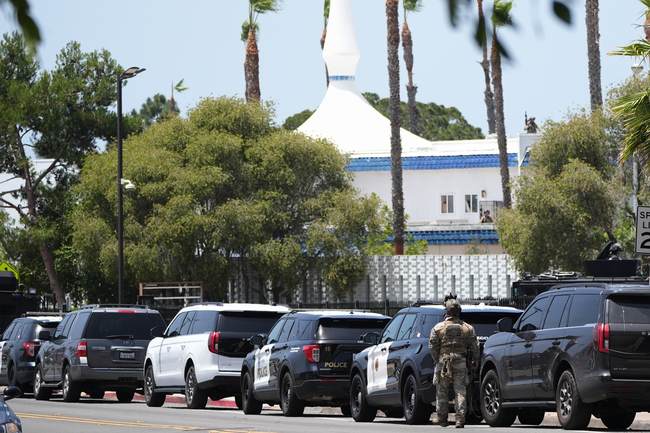
The Islamic Center of San Diego has come under renewed scrutiny after two teens killed three people at a mosque, and long-simmering allegations about the center’s past ties to extremist figures and controversial statements by its leaders have resurfaced in the wake of the attack.
The shooting itself shocked San Diego and raised urgent questions about motive, community safety, and institutional history. Local observers and activists pointed to decades-old reports that tie the Islamic Center of San Diego to troubling incidents and figures, prompting fresh attention. The center’s past has been discussed publicly by commentators who say those ties deserve examination alongside the recent violence. The immediate priority remains understanding the attack, but history is informing the conversation.
Critics highlighted that the mosque has been mentioned in past investigations and media coverage linking it indirectly with individuals involved in historic acts of terror. Those references include assertions that some attackers had connections to the area and interacted with people associated with the center. The resurfaced claims emphasize patterns and past reporting rather than new evidence about the recent event itself. Community members and watchdogs are citing those older findings to argue for more scrutiny now.
A well-known conservative activist posted remarks after the killings, stressing condemnation of the violence while also pointing to the mosque’s controversial record. The post included these lines: “I passionately denounce the violence that occurred today and do not support any violence against any innocent Americans or human beings anywhere.” That denunciation was followed by claims that link the center to an extreme ideological influence and alleged financial ties going back years. Those assertions are being discussed and debated across social platforms and local outlets.
The activist’s message continued with specific allegations about materials and financial networks that once involved the mosque, referencing a 2005 investigation and a congressional inquiry. The post claimed the center was identified as having Saudi-published materials described as promoting intolerance and extremist ideas. It also alleged that some cash transfers tied to foreign entities passed through local channels connected to individuals linked to al-Qaeda. Those are serious claims and now form part of the narrative some are using to explain concern about institutional oversight.
Past reporting has also connected two of the Sept. 11 hijackers with activities in San Diego, including ties to prayer locations and local housing. Those historical connections are repeatedly cited as part of the center’s controversial record, with critics arguing those past patterns should prompt continued vigilance and transparency. Defenders of the mosque say those incidents were long ago and that communities evolve, but critics disagree and want accountability for lingering associations.
Previously, the Islamic Center of San Diego made headlines for its connection to Sept. 11, 2001, hijackers Nawaf al-Hazmi and Khalid al-Mihdhar.
Both hijackers reportedly prayed at the mosque and found an apartment nearby through advertisements at the mosque while taking flight lessons in the city.
More recent controversy involves public statements by the center’s leadership after international incidents stoked local tensions. Following a major violent episode in the Middle East, the mosque’s director posted remarks that many found inflammatory and that reignited criticism. The director’s comments were interpreted by some as excusing violence and blaming occupation, language that inflamed parts of the community and drew media attention. Those remarks reopened old wounds for critics who say moderation and clarity from religious leaders matter even more after violence.
“This did not start last week or on October 7. This is the result of brutal Zionist occupation and genocide,” Hassane said in a video posted to social media days after the savage Hamas attack.
“Resistance is justified when people are under occupation and don’t let them change that narrative.”
The situation worsened when a family member of the imam posted a shocking image that many labeled hateful, and she later stepped down from public roles after backlash. That post was described by critics as classic blood libel and prompted resignations amid public outrage. Those developments fed into a larger narrative about the tone and tenor of leadership around the center and increased pressure for answers. Community leaders and city officials are now balancing public safety concerns with the need to protect civil liberties and condemn hatred when it appears.
At the time of reporting, investigators had not confirmed a motive for the shooters, and authorities indicated both perpetrators died by suicide after the attack. The lack of clarity on motive left a vacuum that competing narratives rushed to fill, often pointing back to the mosque’s contested history. Whatever the investigation ultimately finds, the reappearance of these allegations ensures the Islamic Center of San Diego will remain a focal point of tough questions. Many residents are demanding transparency and a thorough review of any connections that could affect public safety and trust.
Voices across the political and civic spectrum are urging careful investigation, even as they disagree sharply over what past associations actually mean today. The recent killings have forced a reckoning with both immediate security needs and longer-term concerns about institutional accountability. People want answers about the attack and about whether lessons from prior controversies were learned or ignored.

Add comment