
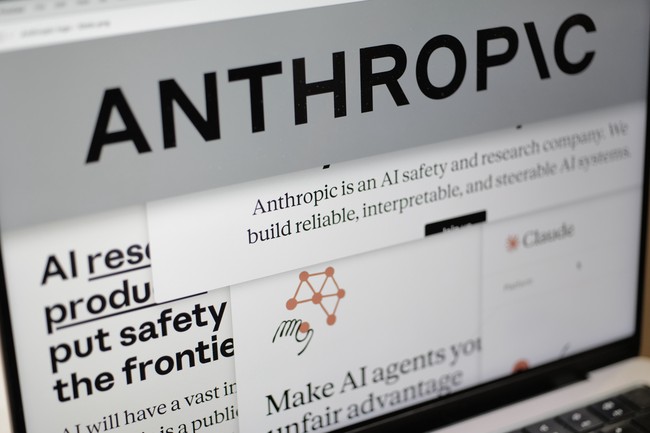
The Pentagon has labeled Anthropic a supply chain risk and a federal appeals court declined to halt that designation, keeping the AI company blocked from Defense Department work for now. This decision raises questions about who controls military access to advanced AI and whether the government overreached in treating a domestic firm like a national security threat. The legal fight centers on constitutional claims and the military’s insistence on unconstrained use of AI during active conflicts. The dispute also highlights a clash over safeguards Anthropic wanted for its technology.
The court’s refusal to pause the designation means defense contractors cannot rely on Anthropic’s Claude system in Pentagon projects, and they must certify the technology plays no role in any work tied to the Department of Defense. From the Pentagon’s perspective, the move is about preserving operational certainty and preventing disruption to active missions. From Anthropic’s side, the label looks like punishment for pushing limits on acceptable military uses, and the company warns of billions in lost revenue and reputational damage. That tension frames the constitutional claims now pending in multiple courts.
Anthropic says the government crossed a line by designating the firm without a pre-deprivation hearing and that the move violates both the First and Fifth Amendments. The company argues the action was retaliation for its public stance on AI safety and that it was denied due process before being shut out of crucial contracts. The administration counters that the decision is rooted in contract terms and operational risk, not speech. The Justice Department frames the ruling as necessary to preserve military readiness while negotiations and litigation continue.
“On one side is a relatively contained risk of financial harm to a single private company. On the other side is judicial management of how, and through whom, the Department of Defense secures vital AI technology during an active military conflict.”
The disagreement began when Anthropic sought to limit how Claude could be applied inside national security systems, insisting it not be used for mass surveillance of Americans or in fully autonomous weapons. The Pentagon pushed back, seeking broader access that would allow its contractors to integrate the model without the constraints Anthropic wanted. Negotiations broke down after the two sides could not reconcile those differences, and the administration elevated the issue to a formal supply chain risk designation. The result is an unusual posture: a domestic AI firm treated with a label typically reserved for foreign-linked companies.
That posture stands out because Anthropic had previously won a $200 million Pentagon contract before the dispute over usage terms began. That prior contract and a history of cooperation make the designation more striking to observers who expected a negotiated path forward. Republicans and conservatives looking at this will see both a need to secure warfighting capabilities and a cautionary example of federal power over private innovation. The balance between protecting troops and preserving a competitive domestic AI industry is now at the center of the argument.
Legal skirmishes are unfolding across jurisdictions. A federal judge in California recently blocked part of the Pentagon’s actions in a separate challenge, but the D.C. Circuit’s ruling keeps the primary restriction in place for Defense Department work. Anthropic remains able to contract with other federal agencies while the appeals and constitutional claims move forward, but the prohibition on Defense Department projects cuts off a major market. A final resolution could arrive within months and will shape whether private companies can set guardrails on how their tech is used.
Justice Department lawyers insist the label is not punishment for speech, saying the government was reacting to Anthropic’s refusal to accept standard contract clauses. They warn that ambiguity about permitted uses could interfere with sensitive operations and create unacceptable risk during active conflict. That framing appeals to those who prioritize mission assurance over corporate preferences, and it resonates with officials tasked with protecting troops and intelligence sources. Yet critics argue the government should not be able to impose extrajudicial sanctions on American companies without clear procedural protections.
The broader stakes go beyond this single company. AI is now woven into intelligence analysis, cyber defense, and military planning, and who controls access will shape doctrine and procurement for years. If the government can force integration without vendor constraints, tech firms may be reluctant to develop safeguards or push for ethical limits. Conversely, if companies can single-handedly block certain uses, military planners may find their toolset constrained at critical moments. This clash will determine whether policymakers or private developers set the practical rules for AI in warfare.
Republican readers should note the competing priorities: defend the nation and preserve technological edge, while also protecting private enterprise from heavy-handed government action that could chill innovation. The court’s current decision leans toward national security authority, but the legal process is far from over. Expect continued courtroom fights and policy debates as both sides push their cases and Congress watches for implications on procurement and oversight. The outcome will matter for national defense, the tech sector, and the future rules governing AI in conflict.



Add comment