
I’ll explain why recent actions by several European governments amount to a betrayal of the United States, outline how their diplomatic moves undercut American security efforts, show the inconsistency in their public statements, present the list of leaders who signed the contested letter, and argue why the U.S. should rethink burden sharing with allies that won’t pull their weight.
Europe’s recent behavior toward American efforts to counter Iran’s nuclear and missile programs reads like a long string of excuses dressed up as diplomacy. For more than a month, countries such as Spain, France, the United Kingdom, and Italy imposed restrictions that effectively hamstrung U.S. operations, closing airspace and denying basing options needed to degrade Iran’s dangerous capabilities. Those practical barriers mattered; they weren’t symbolic complaints, they were operational limits that cost time, options, and potentially lives.
Instead of standing shoulder to shoulder with the United States when confronting a clear threat, many European capitals chose theatrical neutrality and bureaucratic obstruction. They then tried to shape the aftermath by dictating ceasefire terms they never helped secure. That kind of double game—blocking action while demanding influence—exposes a transactional, not allied, relationship.
Compounding the insult, these governments linked a group like Hezbollah to ceasefire negotiations over a conflict located thousands of miles away, effectively elevating a militia to the status of a party in diplomatic talks. That logic is backward and dangerous. Hezbollah is not an independent actor beyond Iranian direction; pretending otherwise is either naive or dishonest, and offering it protection in any settlement hands Tehran leverage on a silver platter.
Less than a day before a U.S. official statement clarified that Lebanon was not part of any ceasefire deal with Iran, a group of leaders signed a letter demanding protections for Hezbollah. That timing is telling and cynical. Making demands that contradict U.S. policy while simultaneously refusing to enable U.S. military options is not cooperation; it is obstruction wrapped in moralizing rhetoric.
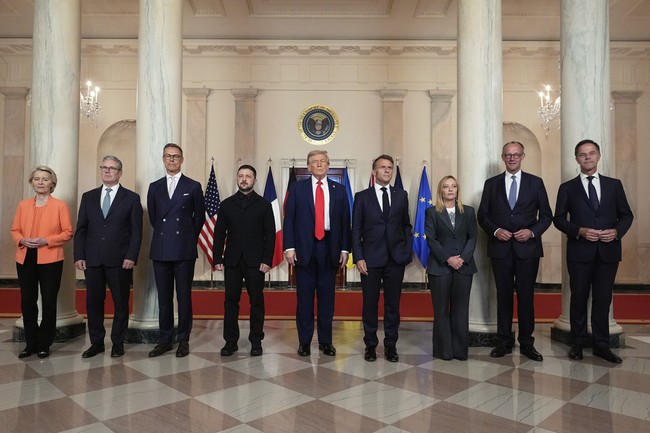
Emmanuel Macron — France
Giorgia Meloni — Italy
Friedrich Merz — Germany
Keir Starmer — United Kingdom
Mark Carney — Canada
Nicusor Dan — Romania
Mette Frederiksen — Denmark
Bjarni Benediktsson Frostadóttir — Iceland
Rob Jetten — Netherlands
Ulf Kristersson — Sweden
Michal Šimečka — Slovakia
Kyriakos Mitsotakis — Greece
Pedro Sánchez — Spain
Jonas Gahr Støre — Norway
Alexander Stubb — Finland
Sanae Takaichi — Japan
Ursula von der Leyen — European Commission (EU)
Antonio Costa — European Council (EU)
That list reads like a roll call of governments that have grown accustomed to moralizing from comfortable positions while refusing to accept the hard costs of real security. Many of these leaders want American protection and American leadership, but they balk when the price is tangible support or genuine risk-sharing. They are eager for diplomatic outcomes that preserve their domestic political cushions while handing strategic benefits to adversaries.
The disconnect between words and deeds is staggering. On one hand these governments publicly resist the idea that Hezbollah functions as an Iranian proxy involved in offensive operations. On the other hand they sign letters that bind Hezbollah into the diplomatic framework, implicitly acknowledging the group’s operational relationship with Tehran. That contradiction cannot be explained away as confusion; it is a product of political cowardice and strategic indecision.
From a conservative perspective, alliances are based on capability and will, not on shared taste for rhetoric. The United States still underwrites the vast majority of NATO’s defense power and projects force globally, while European partners too often prioritize domestic political convenience over confronting adversaries. When allies restrict operations, refuse basing, and then demand influence over outcomes, they weaken deterrence and reward bad actors who want to exploit divisions in the West.
We have to recognize that the transatlantic relationship has changed. The post-Cold War assumptions about automatic reciprocity are gone, replaced by societies less willing to make hard choices and leaders more interested in image management than in projecting strength. That reality forces a sober reassessment: the U.S. cannot indefinitely shoulder the bulk of security costs for partners who then act to constrain American options when those options matter most.
Short of abruptly severing ties, there are practical steps available: condition assistance on meaningful contributions, require concrete commitments before granting basing or overflight access, and push European militaries to take real responsibility for regional defense, not just issue statements. If political leaders in Europe are unwilling to accept the burdens that come with influence, then American policy should adjust accordingly rather than be captured by a chorus of moralizing demands that undermine U.S. strategic objectives.
The picture is clear: rhetoric without responsibility is not alliance, it’s freeloading. The United States should keep its commitments, but it should also stop tolerating arrangements where American lives and resources buy influence for partners who won’t stand beside us when it matters most. It’s time to recalibrate expectations and make allied support real, not merely performative.


Add comment