
Quick summary: This piece walks through the Minnesota childcare fraud story that’s now grabbing national attention, the viral coverage that forced politicians into reaction, related legal developments, and why taxpayers and conservatives are angry about accountability failures at the state level.
The Minnesota childcare fraud allegations have evolved from a niche scandal into a full-blown political problem that now has real momentum. Conservative reporters and independent journalists pushed the story into the mainstream by showing hard visual evidence and asking awkward questions. What started as whispers about program abuse has grown into a broader debate about oversight, spending, and political responsibility in state government.
Independent video reporting played a central role in breaking this wide open, and that matters for how people perceive the facts. When someone puts a camera on the alleged schemes and traces the money trail, the story stops being abstract and becomes painfully concrete for taxpayers. Conservatives see that as proof positive that the media and establishment often ignore waste until pressure comes from outside.
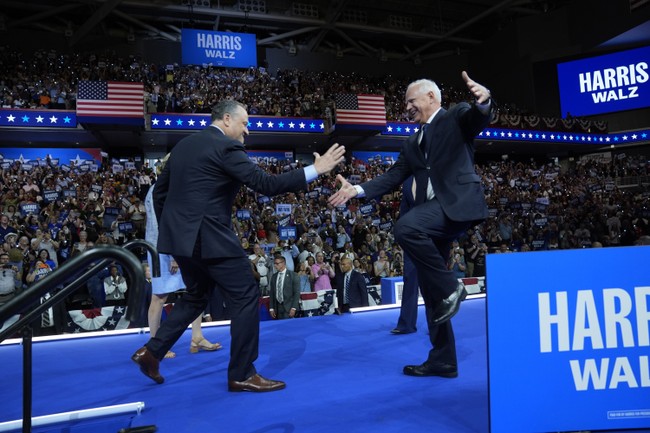
“Walz’s damage-control effort appears increasingly desperate. But unless and until investigations yield some accountability in the governor’s office, there is no reason to think he won’t survive the fraud debacle.” This observation captures the core frustration: political spin can paper over problems until voters insist on real consequences. From a Republican perspective, the focus is on accountability, not theatrics, and citizens expect elected officials to answer for misused funds.
Multiple outlets and creators have highlighted specific instances where funds intended for childcare and feeding programs appear to have been diverted or mismanaged. Those visuals and interviews gave citizens a way to verify claims for themselves, and that transparency matters in the court of public opinion. When oversight fails, the next step must be investigations that produce clear answers and, where appropriate, prosecutions.
“That said, no doubt there are many who remain unconvinced that Cole is the culprit, and that’s certainly understandable. This investigation was left to moulder, and the lack of information surrounding the incident for years allowed all manner of speculation to build. That, combined with the Biden DOJ’s fervor directed at anyone in the vicinity of the Capitol on January 6th, has probably ensured that, for many, the questions will never be resolved.” These words underscore how flawed investigations and political double standards fuel distrust.
The pattern is familiar to conservative readers: a scandal bubbles, establishment outlets downplay it, then outsider journalists force disclosure. The Minnesota case is particularly galling because it involves programs meant to help kids and struggling families. Conservatism demands efficient, accountable government; waste on this scale violates that principle and erodes public trust in social programs.
On the national front, the White House remains active on foreign policy while state-level scandals unfold, and that contrast generates frustration among voters focused on local accountability. President Trump’s meetings and calls with foreign leaders have their own headlines, but Minnesotans care about how state officials manage federal and state money. Political leaders should be judged by whether they protect taxpayer dollars and enforce the law when fraud emerges.
Local legal developments are also in play, with various court filings and pauses in prosecutions drawing scrutiny. Slow-moving or inconsistent prosecutions invite accusations of favoritism or political interference, which only deepens the public’s sense that institutions are not treating everyone equally. Conservatives push for consistent law enforcement that follows the facts, not the politics.
“And yes, the reason why most haven’t heard about it is that the liberal media did a full-court press in trying to suffocate the story.” That line reflects a conviction widespread on the right: outlet biases shape which stories get attention. Independent reporting that breaks through those barriers remains crucial to forcing transparency and accountability.
Meanwhile, the cultural side of the story is unavoidable: as the scandal permeates social feeds, memes and mockery spread fast, and those moments shape public impressions just as much as formal investigations. Conservatives view that as part of civic discourse: when officials fail, voters will respond creatively and loudly. It’s messy, but it’s how accountability often begins.
As investigations continue and more documents or testimony surface, the central questions remain about who knew what and when, and whether state leaders acted to stop abuse or simply deflected blame. For Republicans and for taxpayers generally, the priority is establishing a clear record, ensuring prosecutions where appropriate, and reforming systems so funds intended for children actually reach them.
Update: It’s cued up here:
Sec. Health & Human Services – Robert F. Kennedy Jr. — Kennedy affirmed HHS support for hospitals in Washington, declaring a public health emergency following significant flooding in the state.
Sweet !

Add comment